
Search
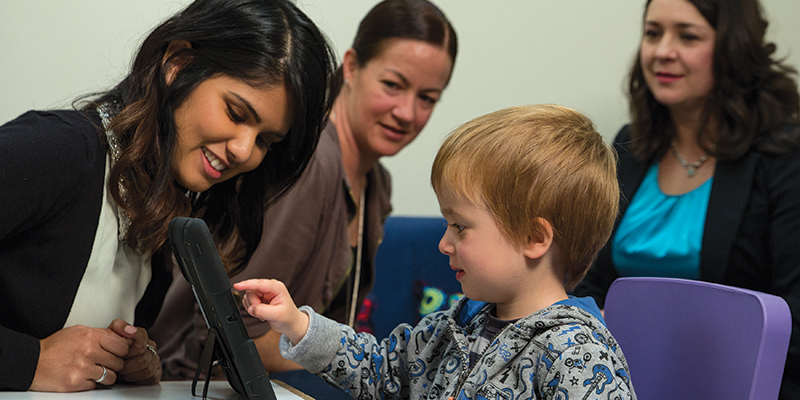
An attention-training game developed by researchers at The Kids Research Institute Australia is helping to improve social skill development in school-aged kids with autism.
About 2 per cent of children are estimated to have an intellectual disability. The cause of the condition is unknown in at least 50 per cent of cases.
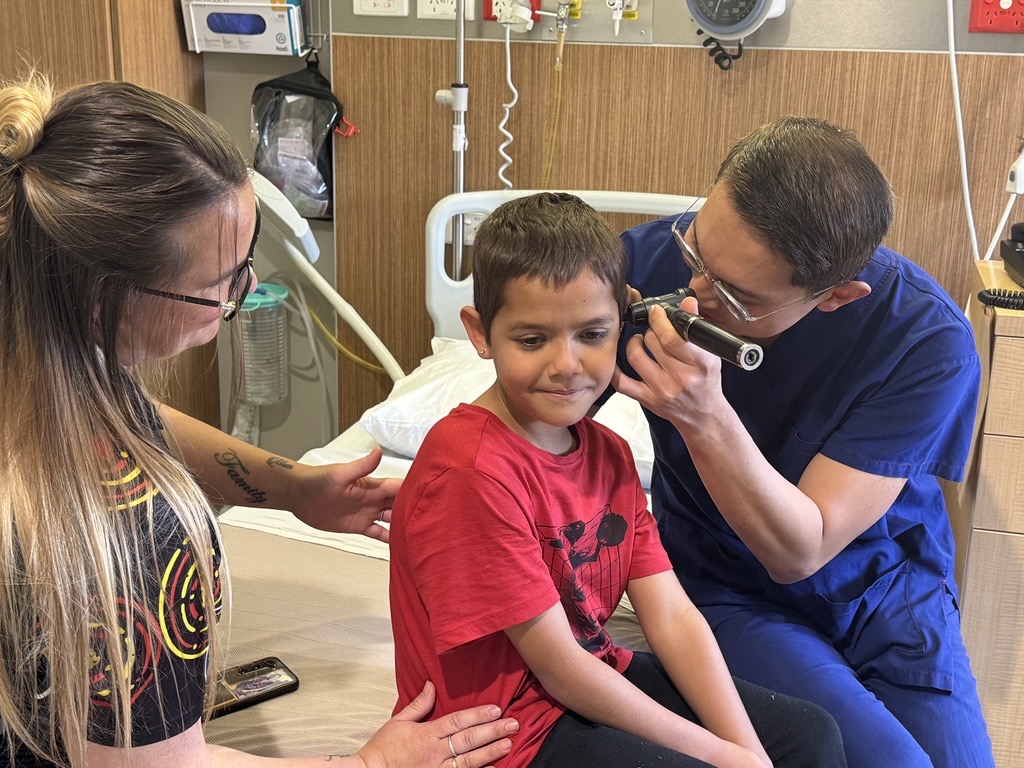
Painful ear infections and muffled sounds are a thing of the past for 100 Aboriginal children who have received free grommet surgery thanks to the Djaalinj Waakinj (listening and hearing) Ear Health program.
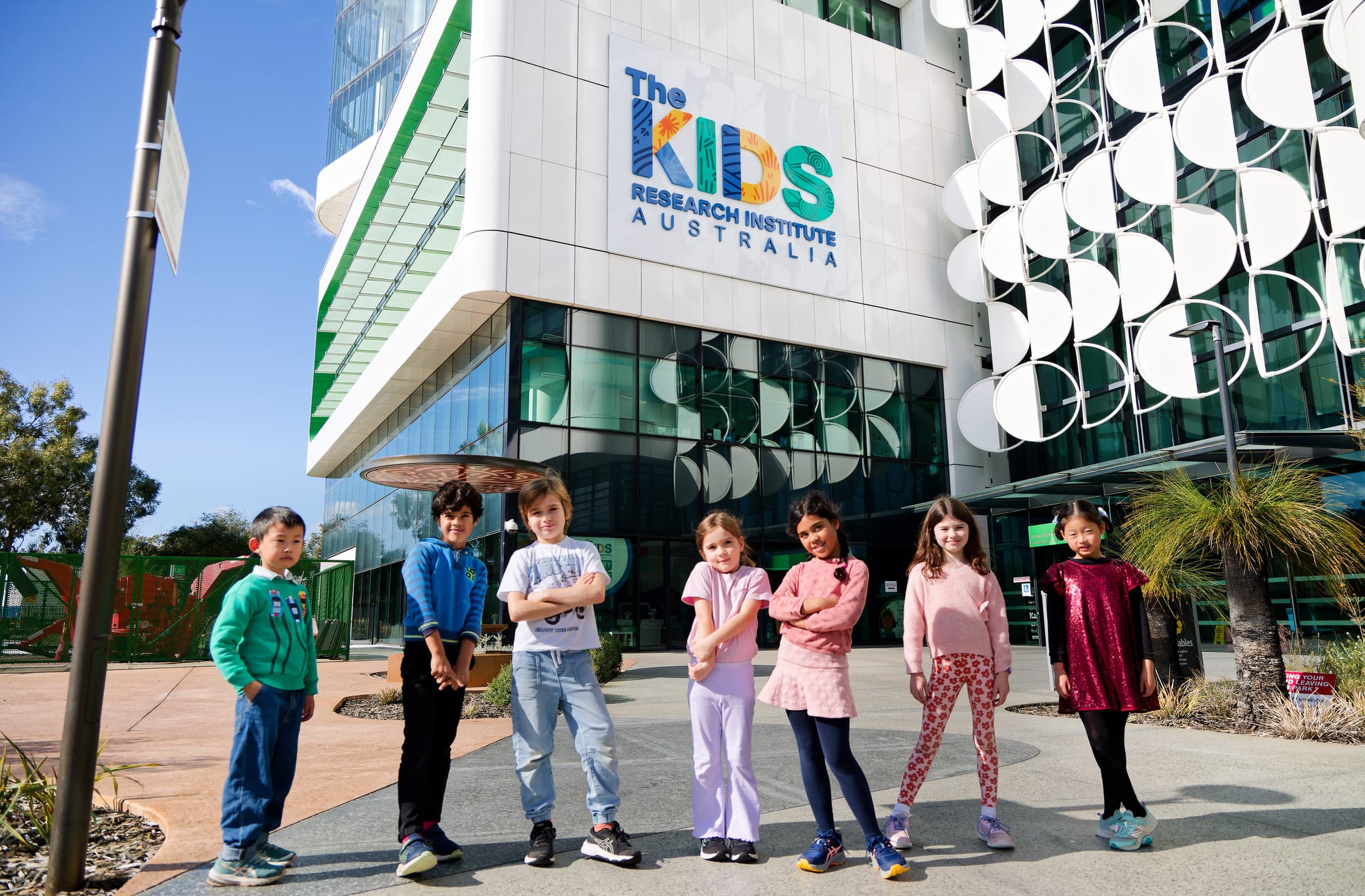
Researchers from The Kids Research Institute Australia will share in almost $4 million in grants to continue groundbreaking research to tackle childhood cancer, asthma, respiratory viral infections and more.
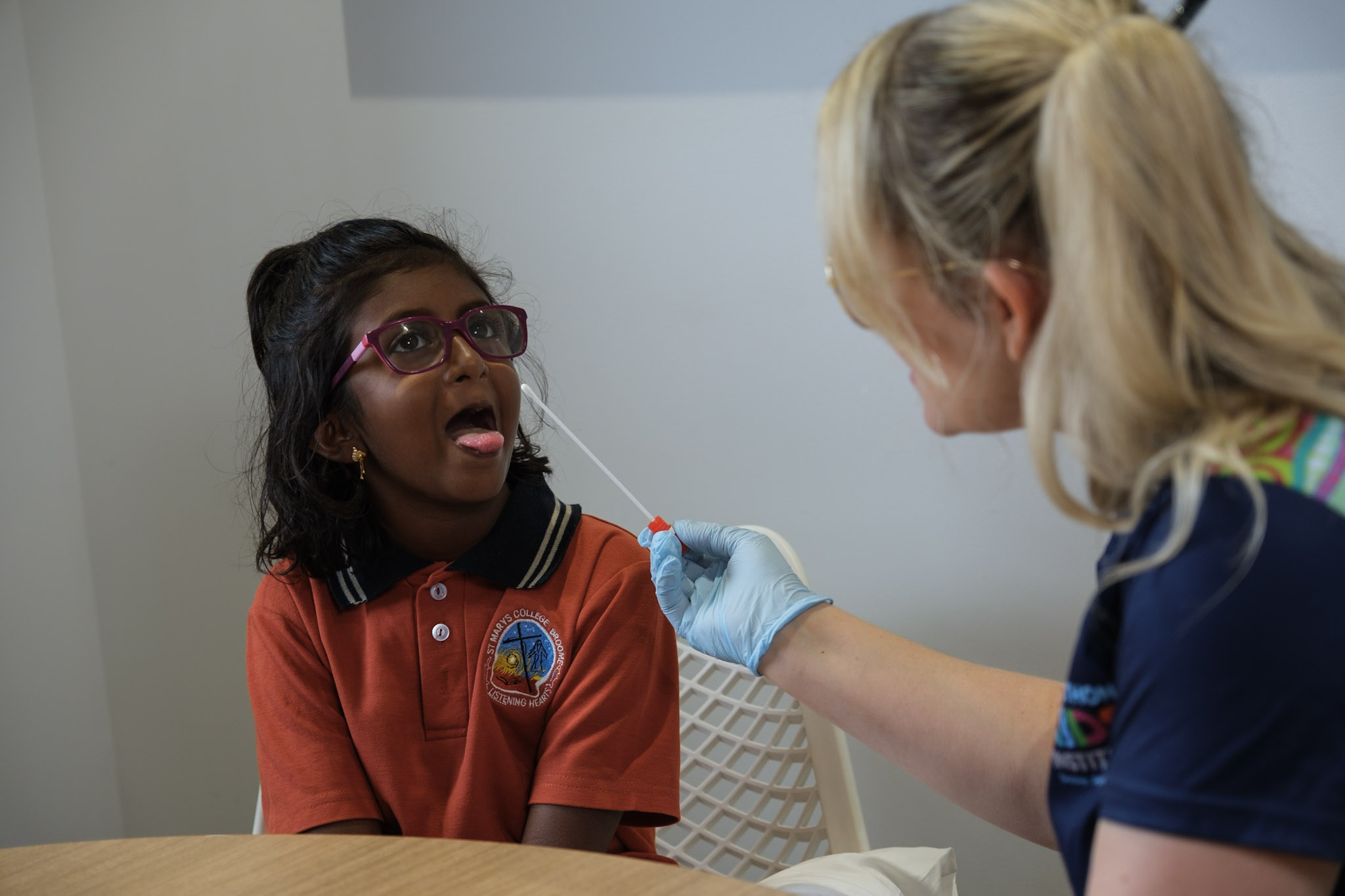
An alarming number of Strep A infections are going unnoticed throughout classrooms in Broome and Derby according to a major study by The Kids Research Institute Australia aiming to reduce the burden of acute rheumatic fever (ARF) and rheumatic heart disease (RHD).
The Rio Tinto Children's Diabetes Centre is a research centre that aims to improve the lives of children and young adults living with diabetes by bringing together research, education and clinical care.
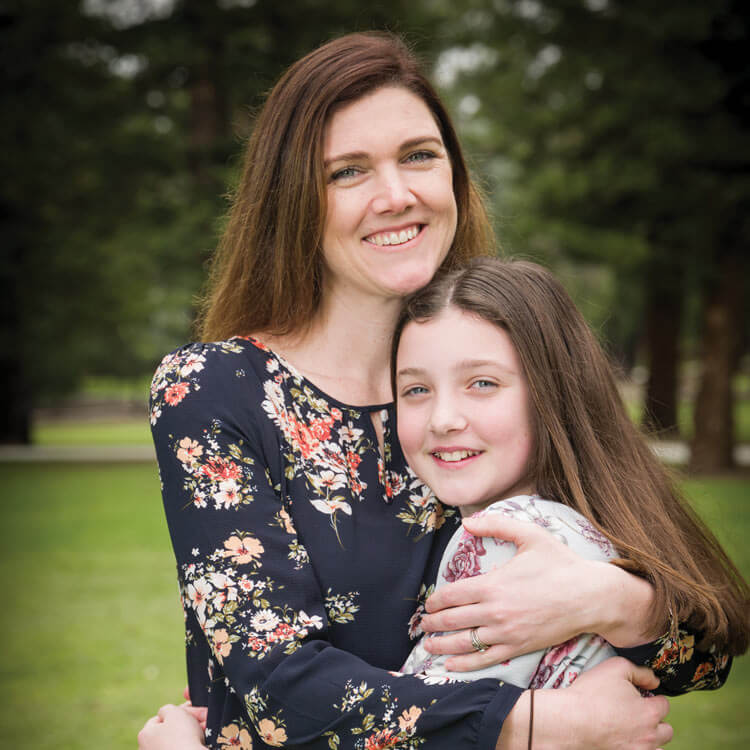
For the parent of a child living with diabetes, sleep no longer represents the relaxing slumber that it used to.
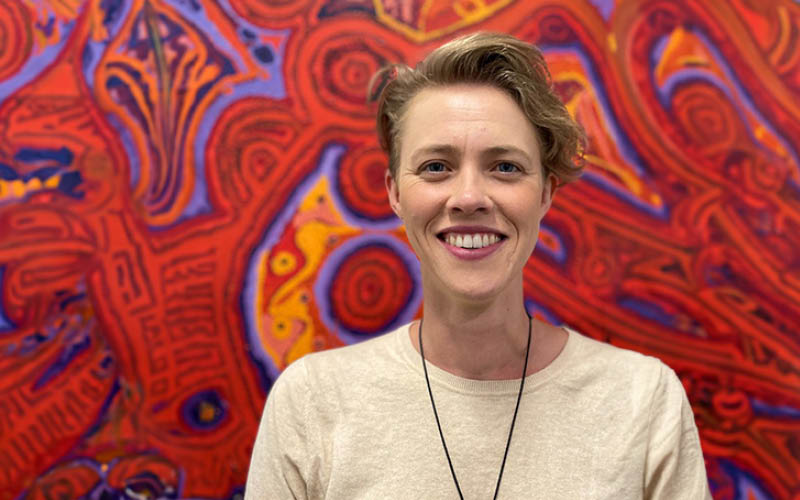
Researchers will work with Aboriginal & Torres Strait Islander women in SA to devise better ways to care for women at risk of pregnancy complications caused by diabetes and cardiovascular disease.
Clinical psychologist from the Children's Diabetes Centre Dr Keely Bebbington has some top tips on how to support a friend who has type 1 diabetes.
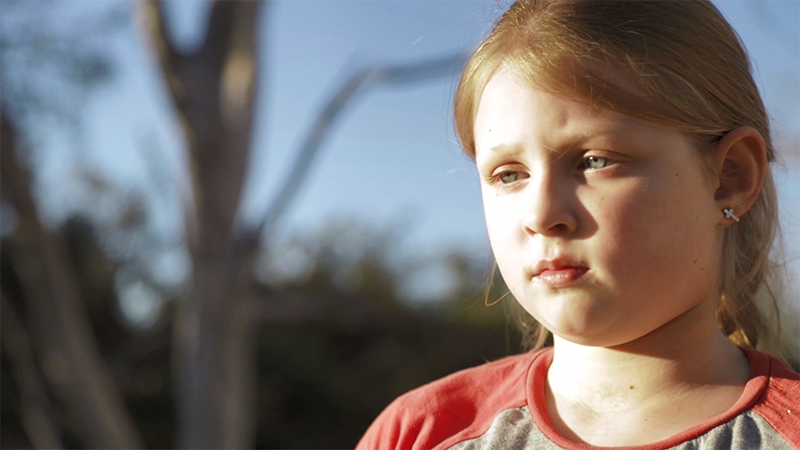
Eight-year-old Emily has type 1 diabetes, a lifelong chronic disease that requires constant management and vigilance to keep blood glucose levels on target. It is a relentless disease, not just on individuals but also on families.