
Search
Rheumatic heart disease is a major cause of premature cardiovascular morbidity and mortality globally. Over the past decade, echocardiographic screening has changed our understanding of the natural history of RHD, revealing a high burden of clinically silent, mild RHD among people who cannot recall a history of preceding acute rheumatic fever. This viewpoint outlines the evidence that this earliest form of rheumatic heart disease, only detectable through echocardiographic screening, is an intermediate stage that many, but not all, individuals may pass through on the pathway to advanced rheumatic heart disease.
The declining mental health of youth in late adolescence and early adulthood represents a serious public health concern, resulting in substantial symptom burden, mortality, and societal cost. Despite this, youth with clinical mental illnesses show poor engagement with mental health services.
Bacteriophages (phages) are viruses that selectively kill bacteria and offer a promising option to address the growing global pandemic of antimicrobial-resistant infections. However, phage therapy does not easily align with traditional regulatory pathways designed for fixed-composition chemical drugs or biologics with fixed non-evolving compositions.
Siblings of individuals with neurodevelopmental conditions have unique experiences and sometimes additional challenges, especially in rural areas where there may be limited access to sibling-specific support services.
The long-term consequences of early adverse exposures are well known but is becoming clear that early means not just in pregnancy but also in at least the two preceding generations. Furthermore, there are new existential threats to long term respiratory health, some of which have been presented at the INSPiRED meeting in Bologna and are reviewed in this manuscript.
Citation: Edelman A, Moore S, DeMasi K, Stephens DM, et al. The Time to Act Is Now: Strengthening Health Systems Research Capacity, Capability and
Bullying is now regarded as a health problem and not just a disciplinary problem. Increasing evidence shows both traditional bullying (e.g. hitting, teasing) and cyberbullying have lasting effects on young people (both those who bully and those who are bullied), including damage to self-esteem, academic results and mental health.
The Kids Research Institute Australia position on schools and COVID-19 in Western Australia
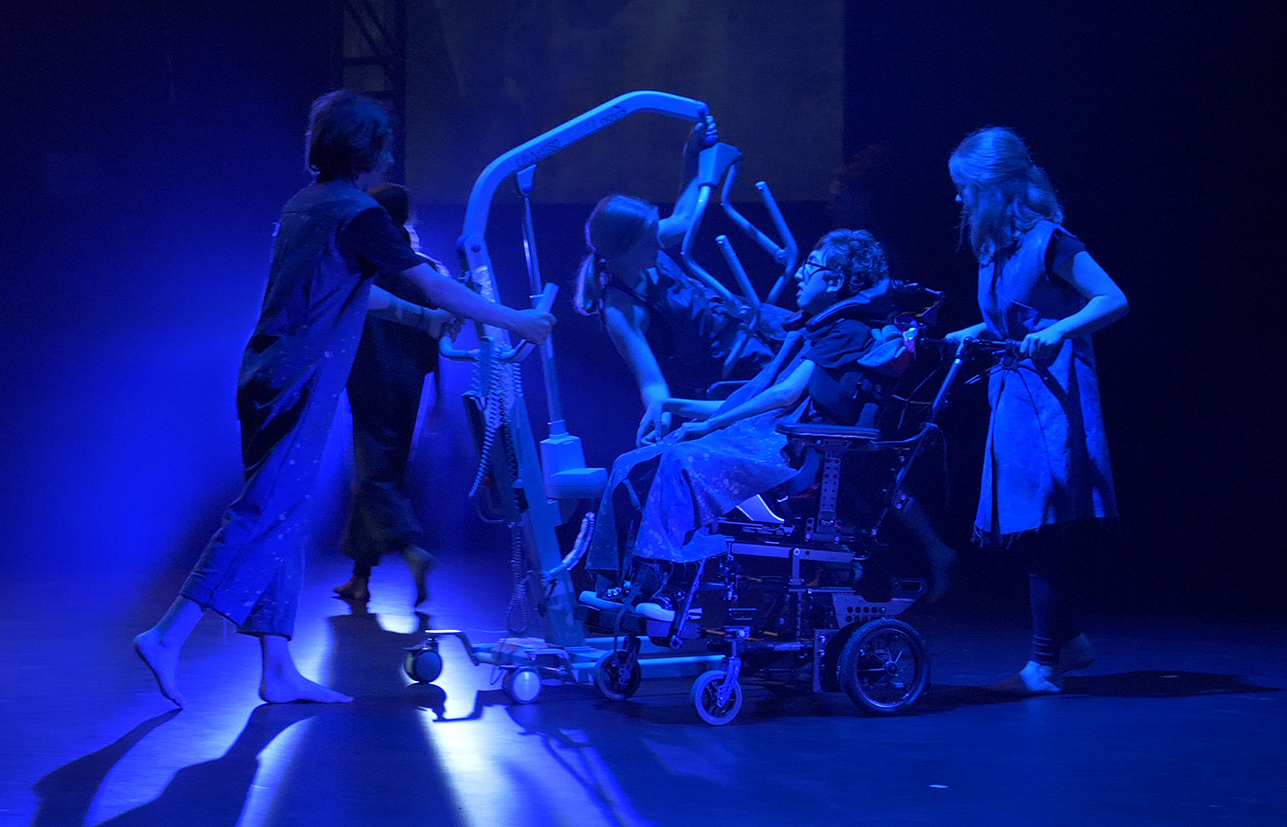
A quality of life tool developed by disability researcher Jenny Downs is helping to reveal the difference specific interventions can make to the lives of children and families living with disability.

Video technology is helping researchers learn more about the earliest features of autism, and in turn is helping families gain access to better interventions.