
Search
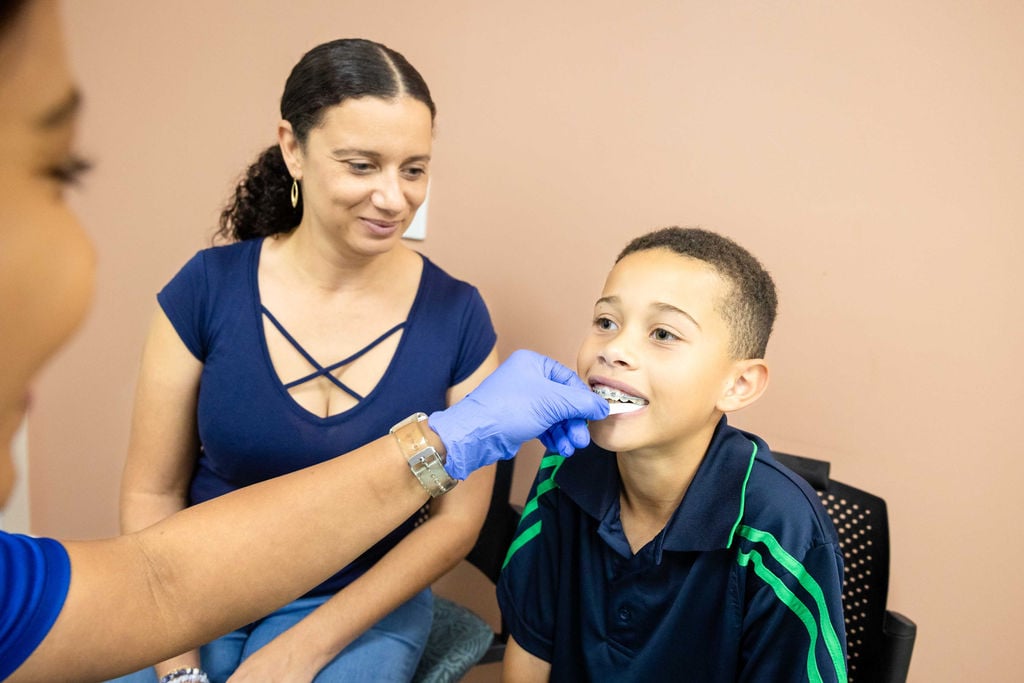
ORIGINS is an interventional cohort study, meaning participants receive timely feedback and an action plan to address any potential abnormalities.
ORIGINS is an interventional cohort study, meaning participants receive timely feedback and an action plan to address any potential abnormalities.
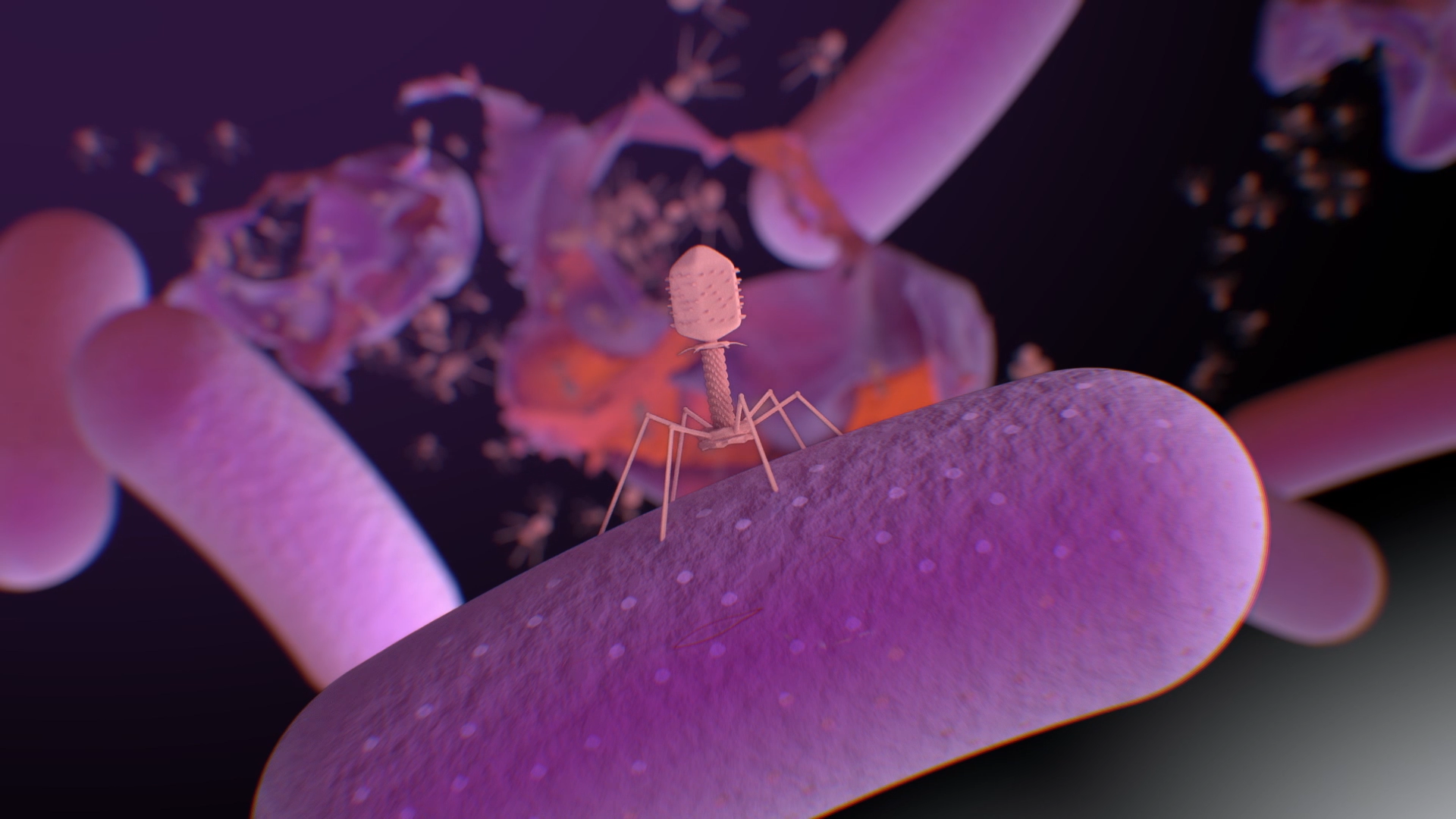
Meet the team at Phage WA, who are working to tackle antimicrobial resistance (AMR) through phage therapy.
To test the utility and acceptability of a novel VR training tool for community health practitioners in assessing diabetes-related foot disease in Aboriginal and Torres Strait Islander people.
The burden of hepatitis C virus (HCV) infection often falls disproportionately on migrant populations within high-income countries. Differences in health literacy, language, comorbidities, and HCV genotype may influence HCV natural history.
A retrospective cohort study was conducted using clinical data from patients attending TB clinics at four public hospitals in Northwest Ethiopia. We modelled BMI trajectories after TB treatment initiation using linear mixed models, with adjustments for potential confounders.
We evaluated the relationship of serum clozapine and N-desmethyl clozapine and their ratio and cognition among people with treatment-resistant schizophrenia, an area that has been sub-optimally researched.
Vaccination is the injection of an inactivated bacteria or virus into the body. This simulated infection allows an individual's immune system to develop an adaptive immunity for protection against that type of illness. When a sufficiently large percentage of a population has been vaccinated, this results in herd immunity.
Diabetes is the name for a number of different metabolic disorders in which the body's healthy levels of blood sugar (glucose) can't be maintained.Diabetes can have a significant impact on quality of life should complications develop. Diabetes can affect the individual's entire body.
Glue ear is when a child's middle ear fills with sticky fluid behind the ear drum. A common condition, glue ear usually goes undetected, as it's not an obvious condition from the outside.