
Search
Neuromuscular disorders, chronic diseases and low motor competence have a strong correlation to bone health for appendicular bone parameters in youth
HIV exposure is associated with altered lung function in early life, with a vulnerable HIV-exposed uninfected subgroup based on maternal disease severity
Benefits in teaching the Alert Program® to students in a region with high reported rates of foetal alcohol spectrum disorder and self-regulation impairment
We reflect on the lessons learned from a recent genome‐wide association study of rheumatic heart disease with Aboriginal Australian participants
These data highlight the importance of recognising Sporotrichosis in children outside an outbreak setting
The effects of maternal alcohol-use disorder are experienced by the majority of exposed children rather than a vulnerable subgroup of this population
Advances in understanding bacterial dynamics in the upper airway microbiome are driving development of microbiota-modifying therapies to prevent or treat disease

At the Institute's Annual General Meeting on May 27, Professor Michael Good was elected to our Board of Directors.
The role of oestrogen in experimental atopic asthma, and guide future research on sex-related variations in atopic asthma susceptibility/intensity
The Australian National Healthy Skin Guideline summarises evidence-based treatment of impetigo, scabies and fungal infections in high burden settings
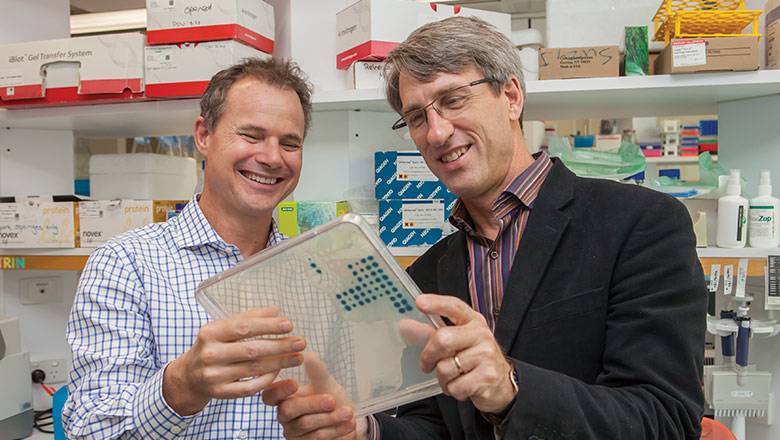
The Drug Discovery Unit has been finding ways for smart drugs to penetrate deep into cells and attacking their disease targets while causing fewer side effects

Focussing attention on a child’s first year of life is proving to be a major breakthrough in autism research.
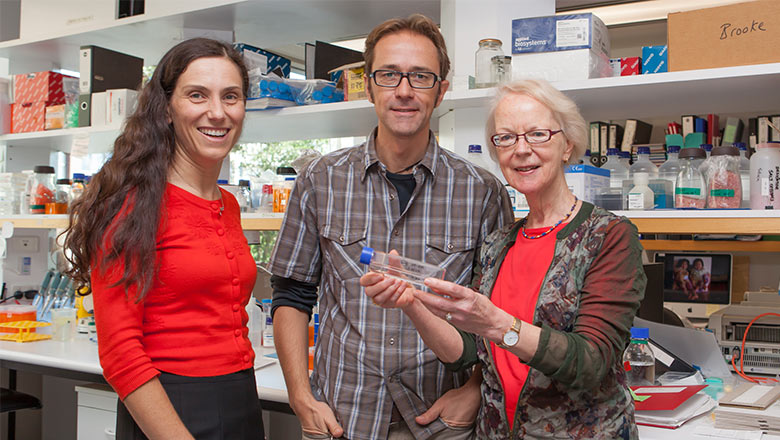
It is now known that the HOX11 gene is permanently activated in the leukaemia cells and it drives the disease.
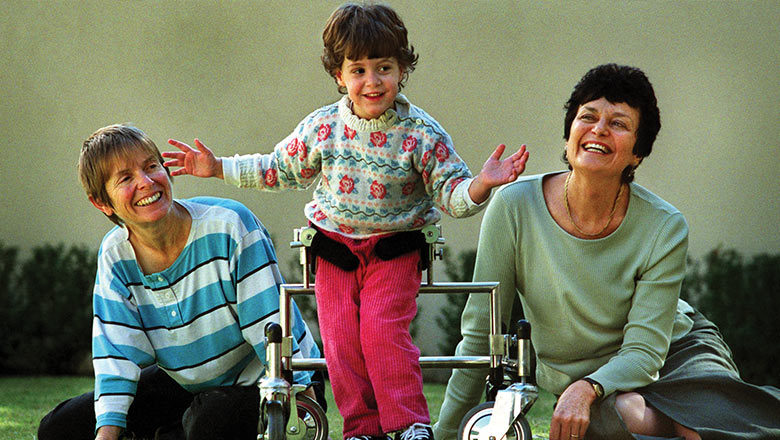
Cerebral palsy is not only the result of birth trauma and the lack of oxygen supply during delivery.
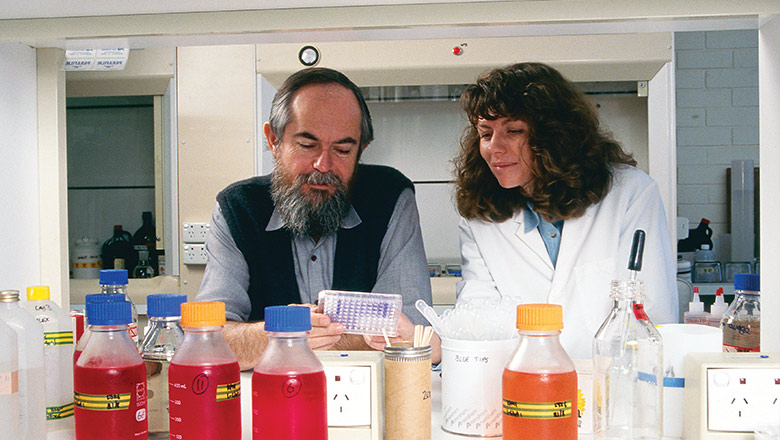
Findings by Professor Pat Holt revealed researchers had been heading down the wrong path in their battle strategy against respiratory allergy and asthma.
Dr Hansen’s study found children born through ART had a twofold risk of having a birth defect. The results were published in the prestigious New England Journal

The Kids created history by surveying 1 in 6 indigenous children across the State and collecting information on just how this generation is travelling.

The Kids Research Institute Australia dietitian and nutritionist Dr Roslyn Giglia shares her top 10 tips for kids nutrition and physical activity.
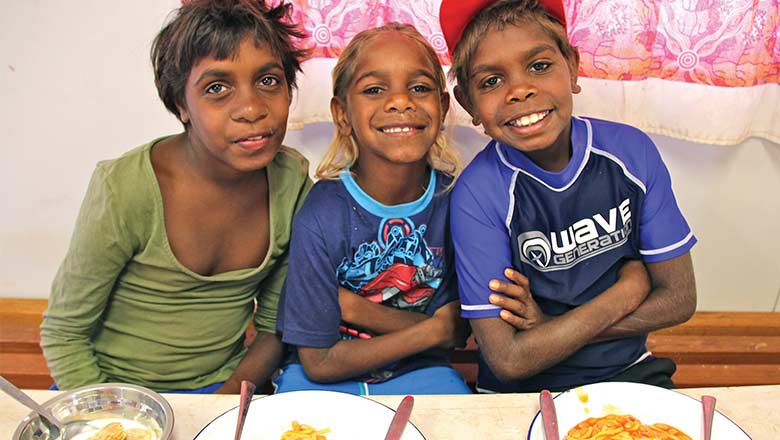
A good healthy breakfast is not just a vital foundation for a productive day but can lay the groundwork for a community to pull together to overhaul its health.
A significant reduction in severe influenza was observed in Australian children, possibly contributed to by improved vaccine coverage and high vaccine effectiveness