
Search
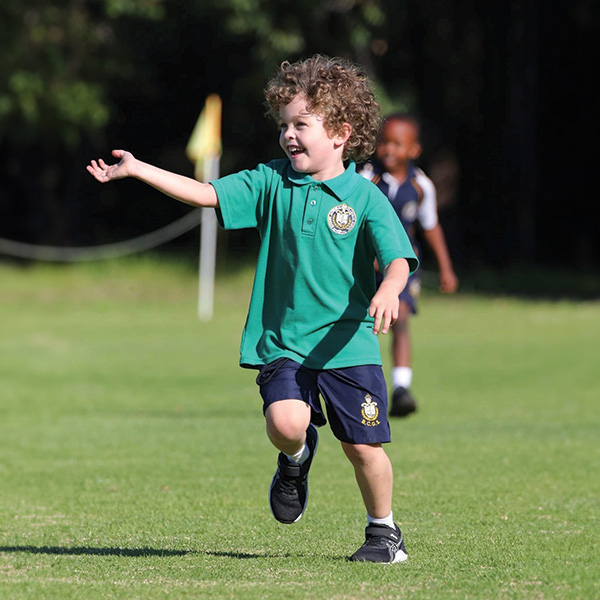
Childcare centres have flocked to take up a new evidence-based policy to help ensure young children get more of the physical activity they need to be healthy and developmentally on track.
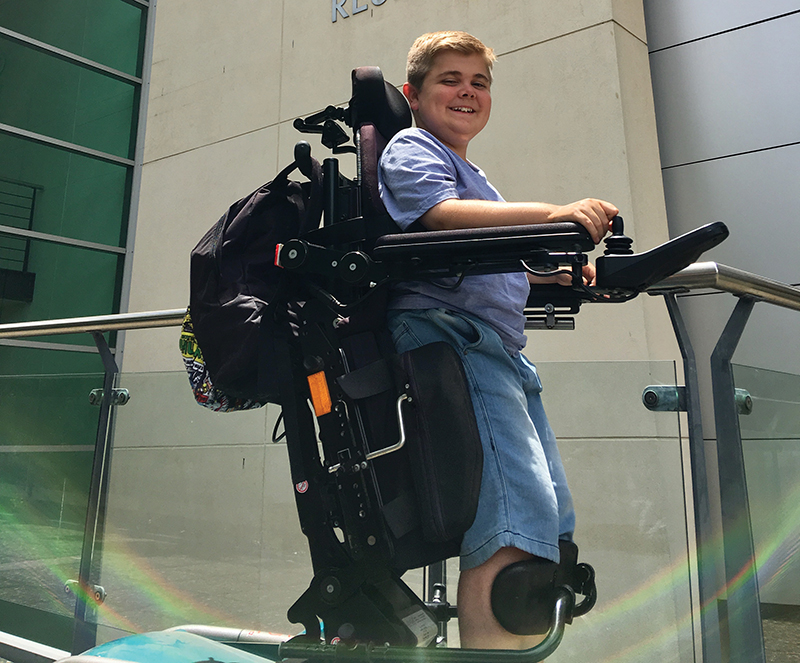
Klair Bayley knew her son Logan would eventually need a wheelchair.
COMBAT CF is one of two long-standing international trials which have resulted in new early intervention options helping to reduce progressive lung damage in kids living with CF.
The following maps provide a visual insight into how the number and rate of Indigenous suicides varies across different regions of Australia.
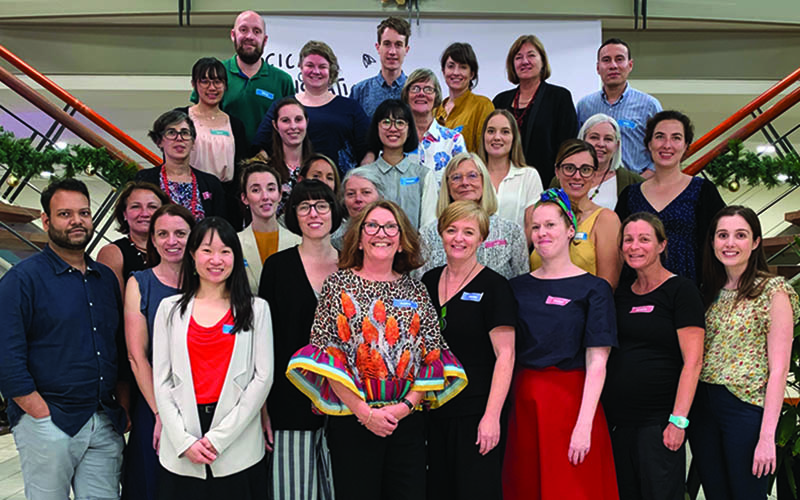
The FASD Research Australia Centre of Research Excellence (CRE) has substantially built the evidence base around FASD and had a significant impact on advocacy, policy and practice.
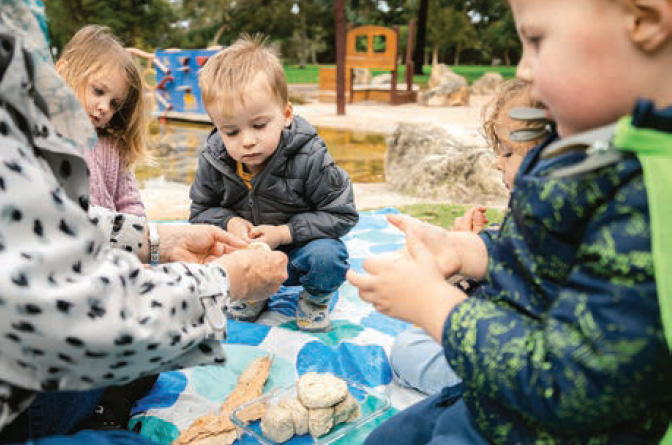
The ORIGINS Project is a decade-long longitudinal study of more than 18,000 individuals including mothers, partners and children, as part of a collaboration between The Kids Research Institute Australia and Joondalup Health Campus.
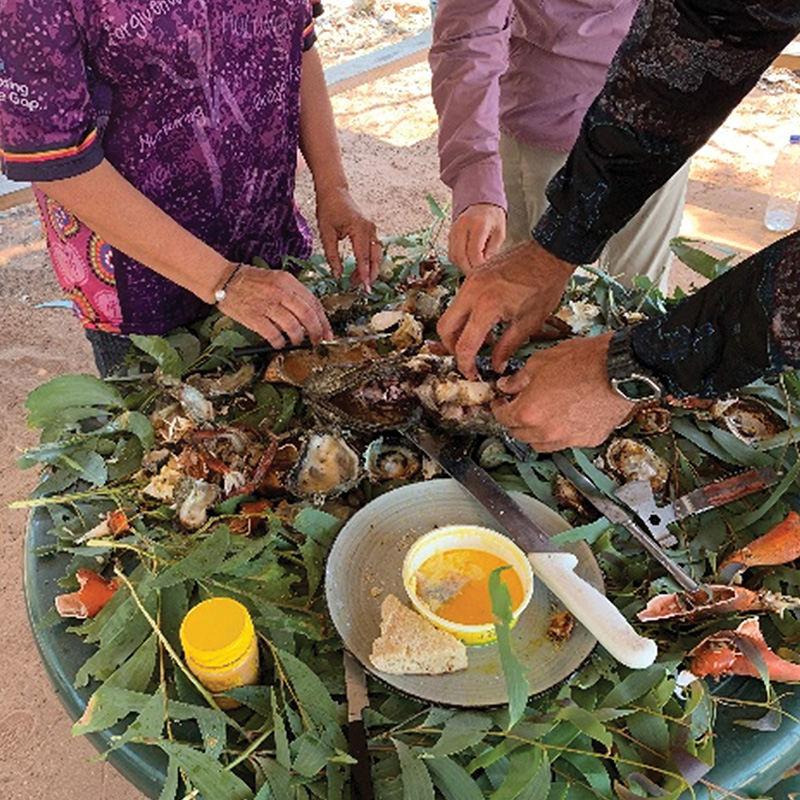
Researchers are collaborating with Community Elders to find out how bush tucker and traditional food can improve the health of Aboriginal children.
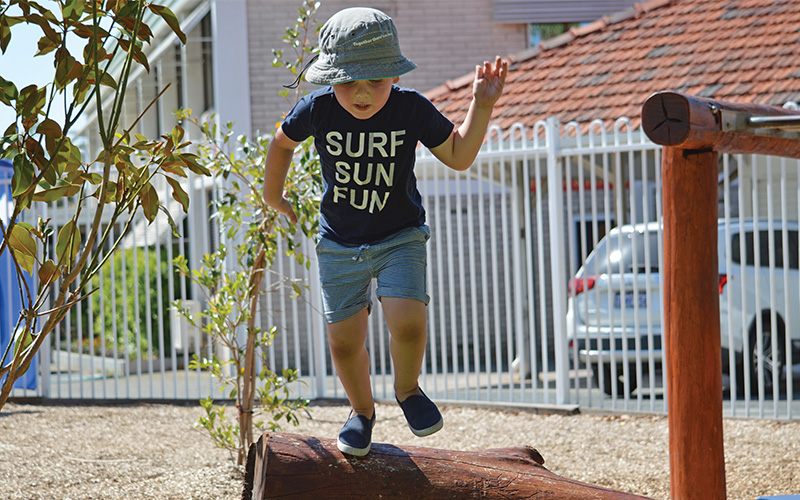
The Kids Research Institute Australia Government Relations Advisor Fiona Roche said the BEACHES project was a great example of how the Institute is increasingly working in partnership with Government
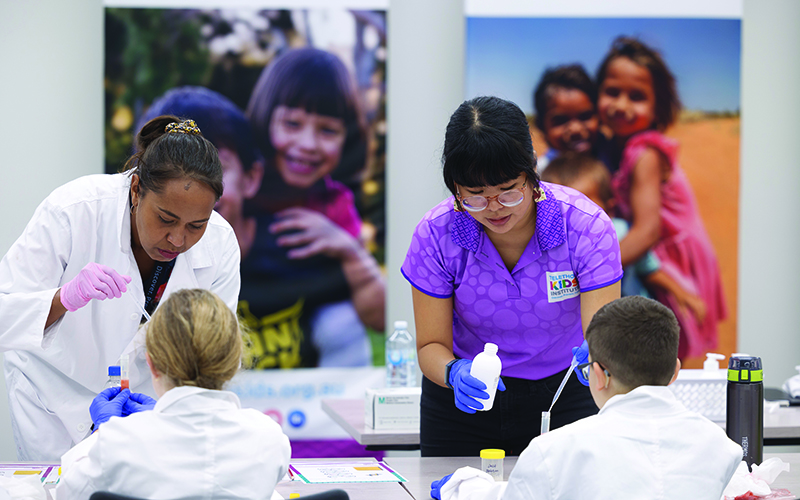
Strawberries, slime and sliced bread are being used as tools to educate and inspire the next generation of researchers, as part of the The Kids Discovery Centre Schools & Outreach Program.
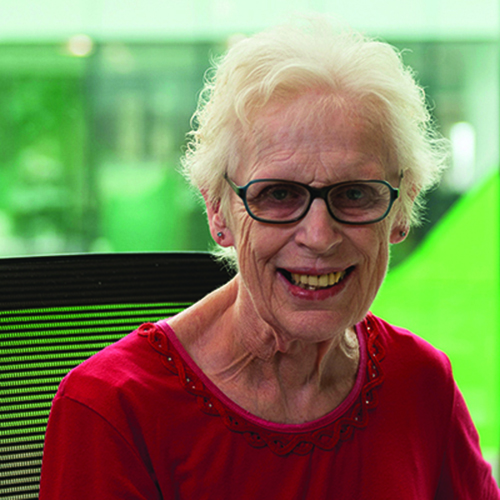
The Kids Research Institute Australia disability researcher, Associate Professor Helen Leonard, played an important role in the identification of the differences that define CDD, thanks to her extensive experience researching Rett syndrome and running an Australian online database tracking Rett cases.