
Search

Children across Australia aged 4-12 years are being asked to grab their crayons, pencils or pens and create their best drawing of themselves and their siblings in a simple study that will help researchers learn more about sibling relationships.
Australian parents have a new weapon in the battle to keep their kids safe online with the launch of ‘Beacon’.
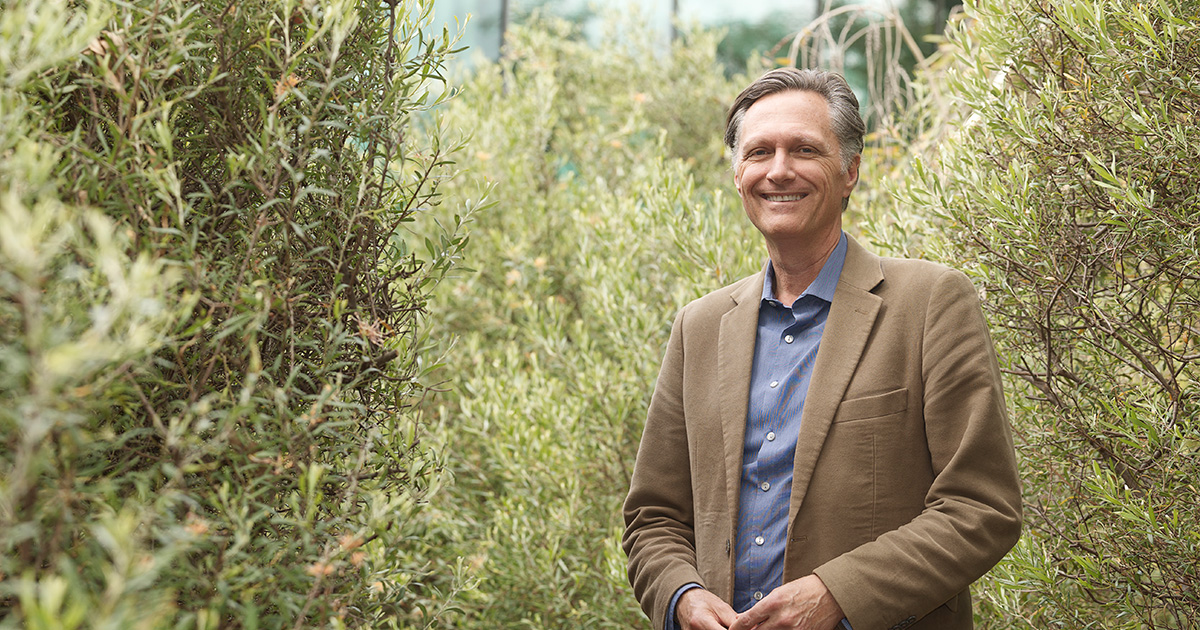
As a paediatrician and researcher, I witness on a daily basis the extraordinary benefits of Western Australian health and medical research to individual patients and the community.
As we count down to the end of the long summer holidays, it’s natural for children to feel anxious about what the new school year will bring.
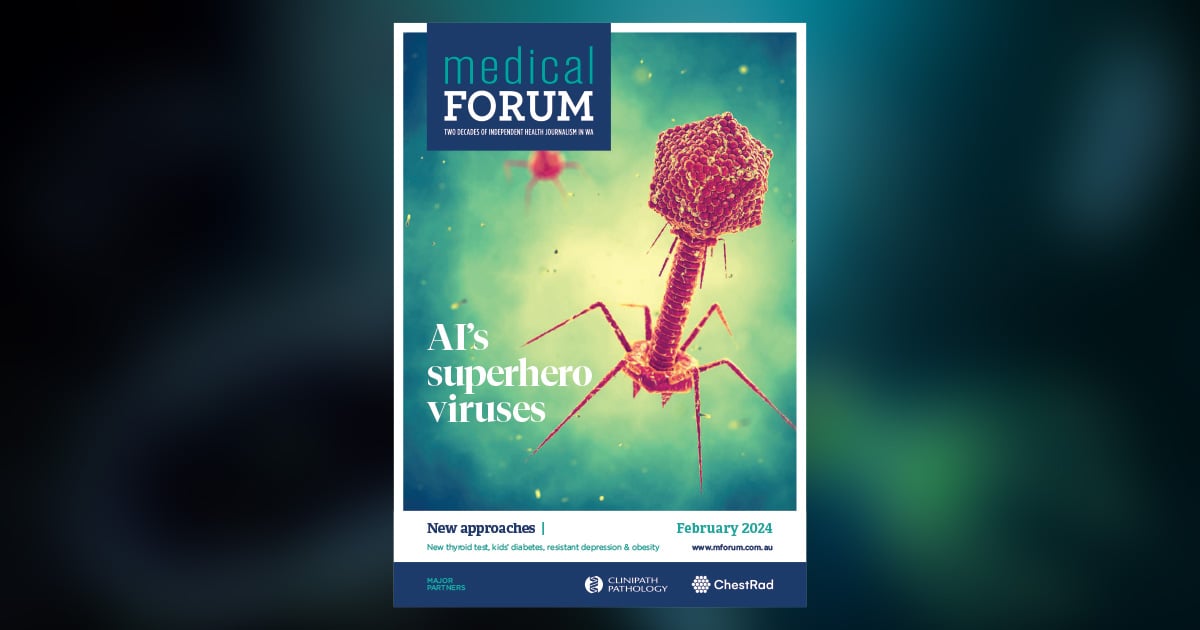
On the front cover of this month’s Medical Forum WA Magazine - Superhero viruses, #AI and the final phage.
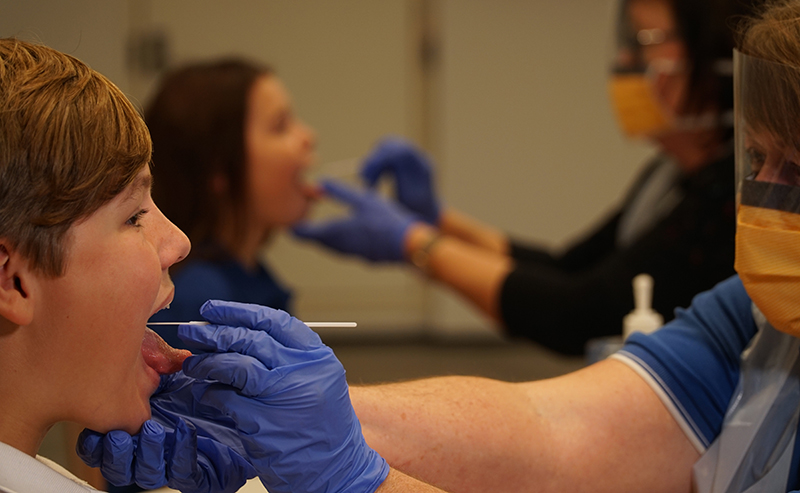
The DETECT Schools program is underway, with swabs taken at 13 of the participating schools across Western Australia. No asymptomatic COVID-19 has been detected to date.
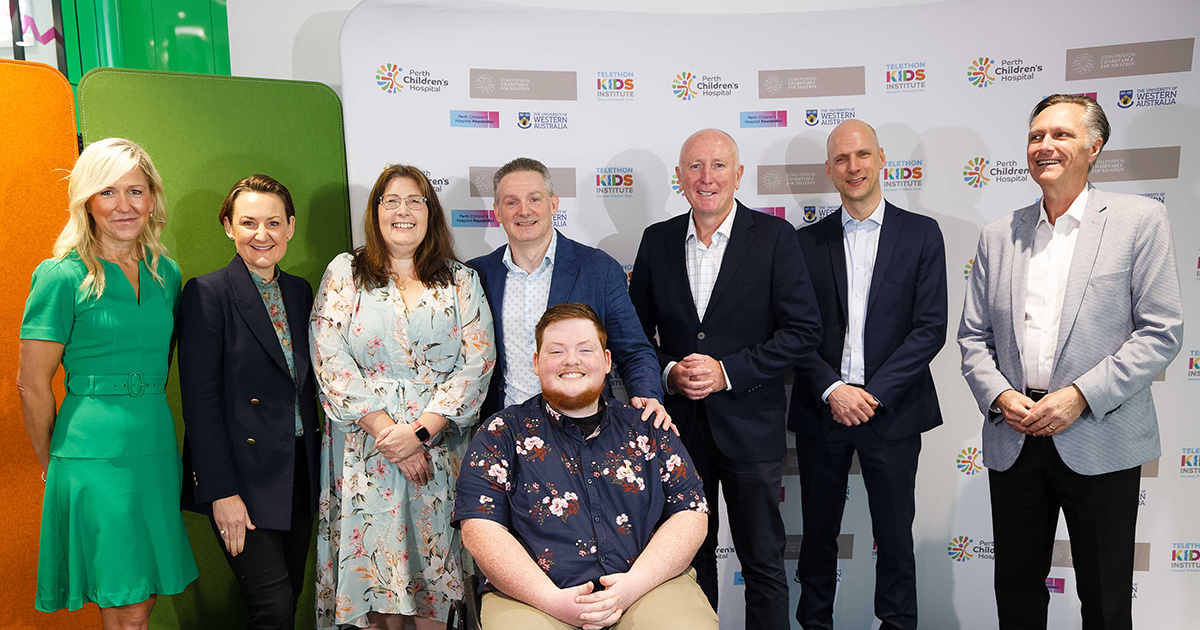
One of WA’s biggest ever philanthropic gifts will transform childhood cancer research and treatment by improving outcomes for children with cancer and discovering more effective and less toxic treatments.
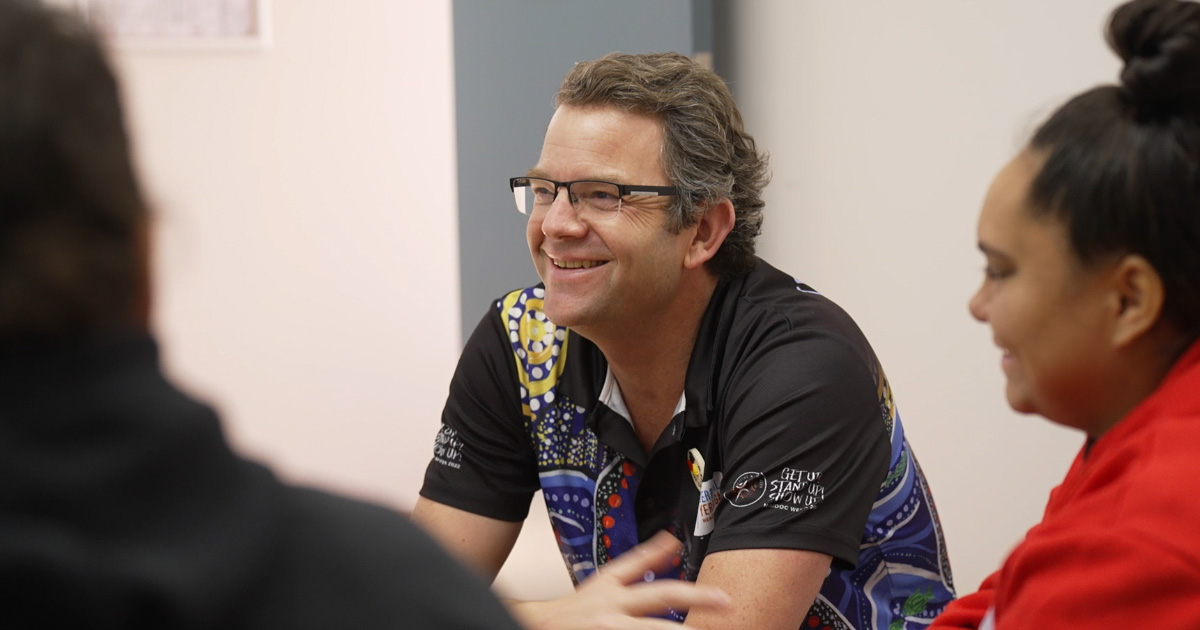
Derbarl Yerrigan Health Service (DYHS) has developed a holistic paediatric service unit anchored in primary health care and underpinned by care coordination provided by an experienced nurse and multi-disciplinary team.
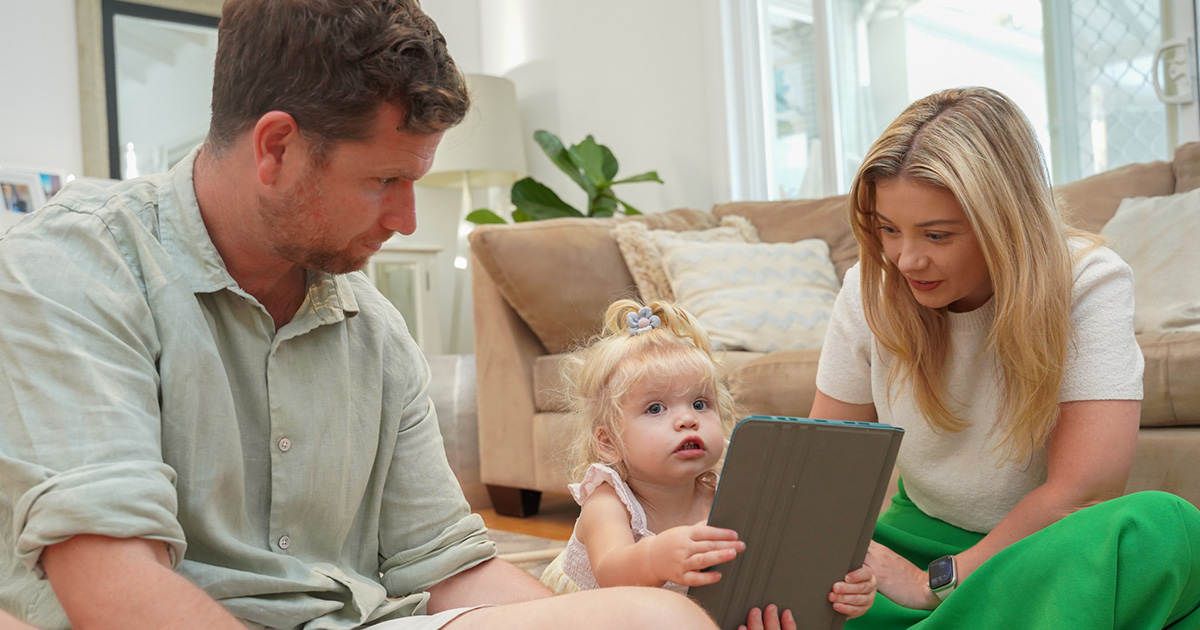
A first-of-its kind study has found that for every minute of screen time toddlers are exposed to at home, they hear fewer adult words, make fewer vocalisations and engage in fewer back-and-forth conversations with their parents.
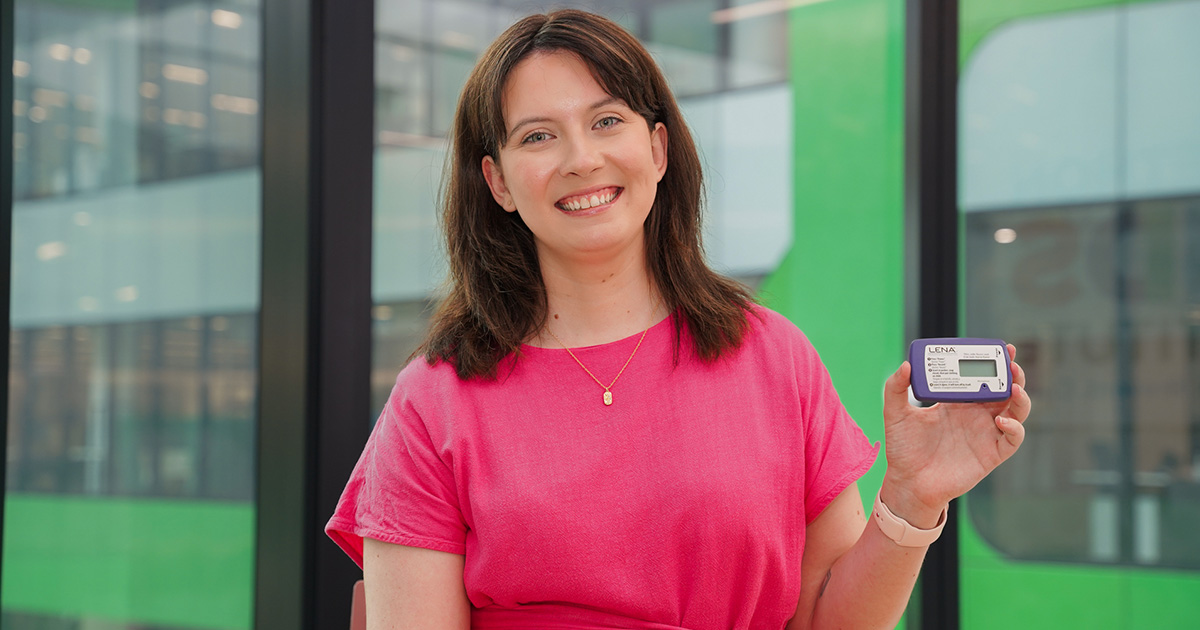
A The Kids Research Institute Australia researcher whose PhD studies highlighted the link between screen time exposure and toddlers’ language development has been named a finalist in South Australia’s Science Excellence and Innovation Awards.