
Search
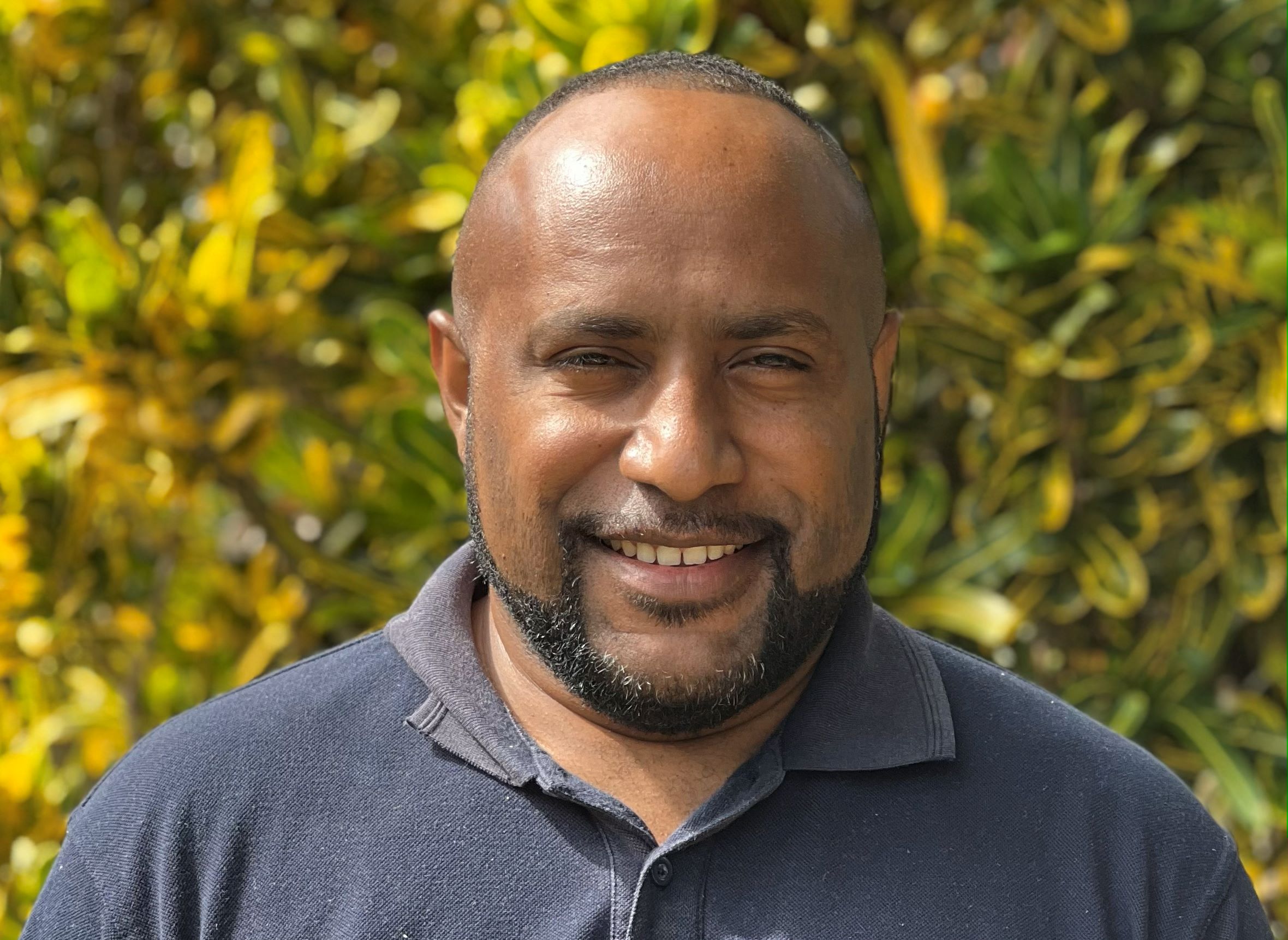
Papua New Guinean researcher Dr Lincoln Timinao has been awarded the 2025 Deborah Lehmann Research Award (DLRA) for his work aimed at investigating the burden of malaria in young children.
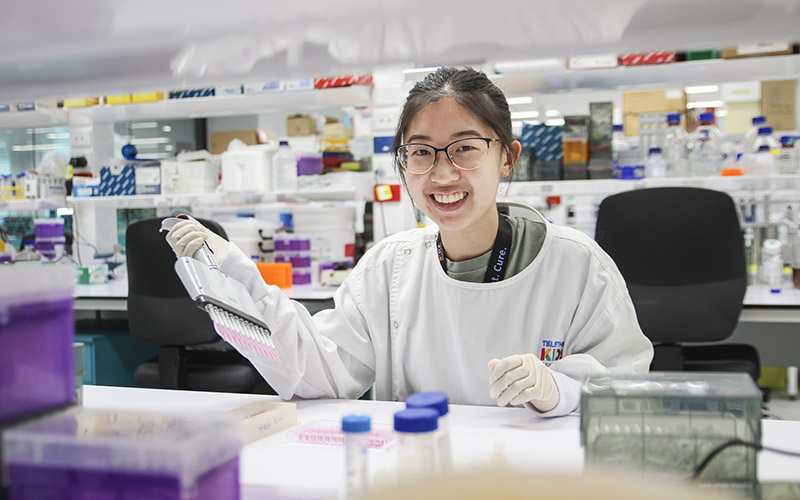
We encourage students to apply for scholarships to support their studies. Applications for non-university scholarships can be made through the Institute.
ORIGINS is the largest study of its kind in Australia, following 10,000 children, from their time in the womb, over a decade to improve child and adult health.
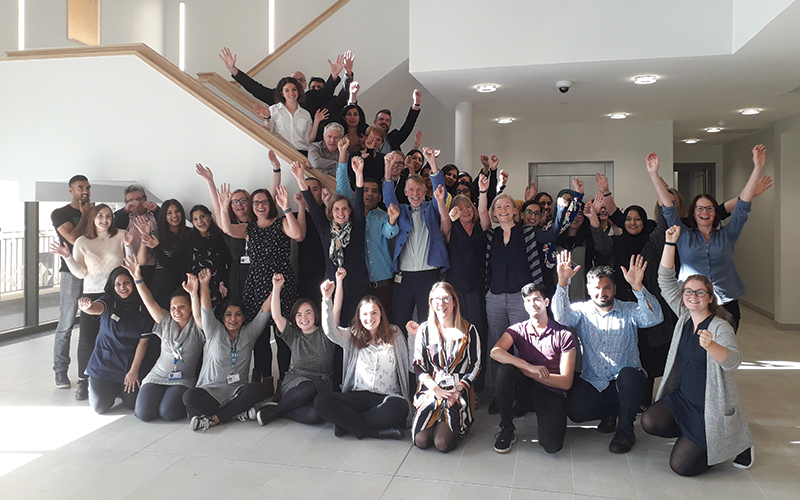
Researchers leading WA’s landmark ORIGINS Project have spearheaded a global network that will see them join forces with similar interventional cohort studies across the world to maximise data collection and learnings for
Attention deficit hyperactivity disorder (ADHD) is the most commonly diagnosed childhood mental health disorder, affecting about 1 in 20 children. It can impact their behaviour, learning and social skills.

Many parents may be feeling anxious and confused about what COVID-19 means for pregnant women, babies and children.

Honorary Research Fellow
Improving maternal gut health in pregnancy and lactation is a potential strategy to improve immune and metabolic health in offspring and curtail the rising rates of inflammatory diseases linked to alterations in gut microbiota. Here, we investigate the effects of a maternal prebiotic supplement (galacto-oligosaccharides and fructo-oligosaccharides), ingested daily from <21 weeks' gestation to six months' post-partum, in a double-blinded, randomised placebo-controlled trial.
The term 'ultra-processed food' emerged in the 1980s, mostly used in reference to highly-processed convenience foods and snacks, often energy-dense, poor in nutrients, and inclusive of various synthetic additives such as emulsifiers, colors, artificial sweeteners, and/or flavor enhancers.
This study aimed to assess the effect of n-3 fatty acid supplementation in pregnancy on offspring SPM at birth and 12 years of age (12 years)