
Search

We are delighted to share that The Kids has successfully completed its Athena SWAN Bronze Action Plan.
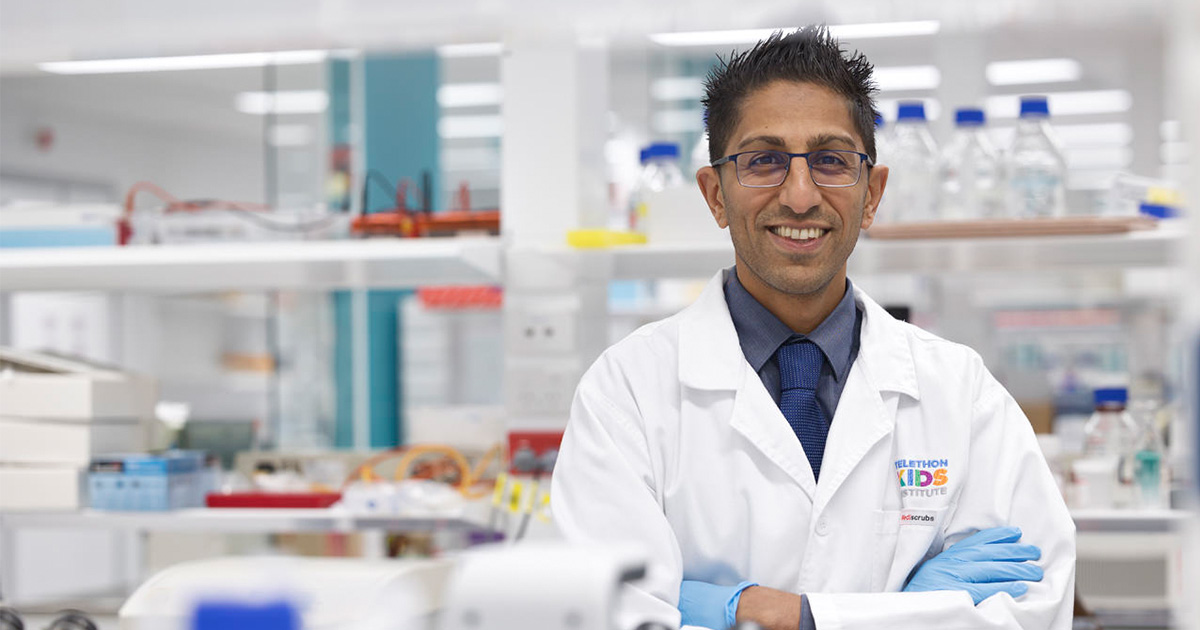
A world-first study involving more than 100 cancer researchers and clinicians across Australia – including from The Kids Research Institute Australia and Perth Children’s Hospital – has shown that precision medicine can significantly improve outcomes for children with high-risk cancer.
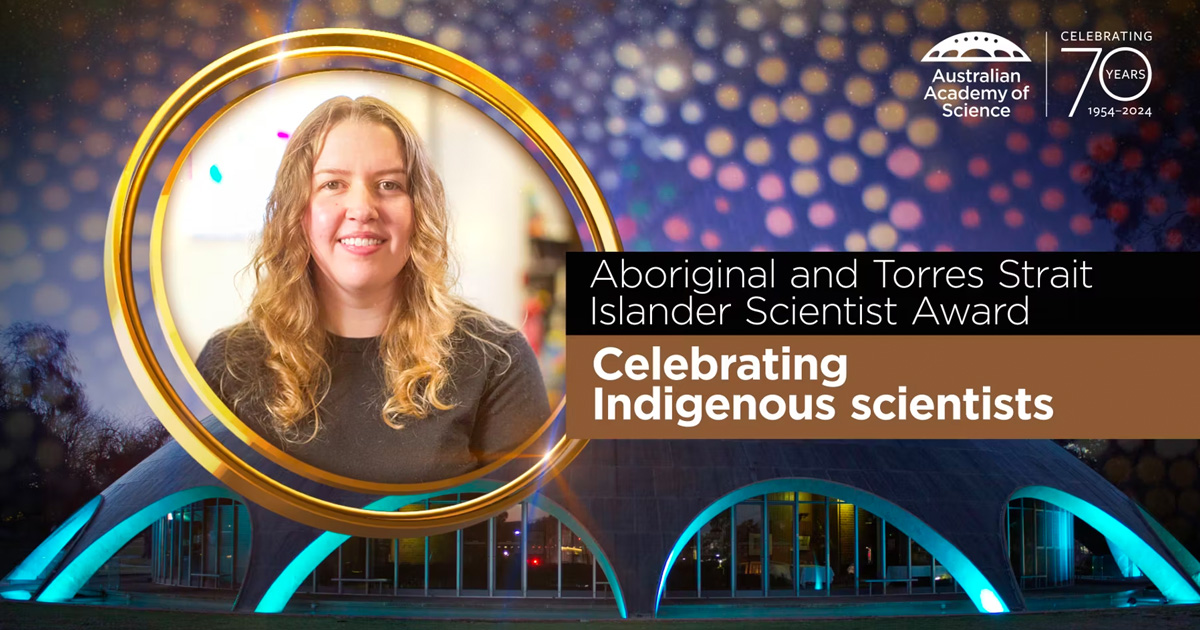
Congratulations to Indigenous genomics researcher Dr Justine Clark, who is one of two scientists nationally to receive the Australian Academy of Science’s 2024 Aboriginal and Torres Strait Islander Science Award.

Five researchers from The Kids Research Institute Australia will share in almost $3 million in grants to continue groundbreaking research to tackle childhood cancer, asthma prevention, lung disease and chronic ear infections.

A complex five-year experiment which cracked the code of a genetic mystery has paved the way for faster and more accurate diagnoses of the most rare and unknown diseases affecting children.

Plenty of parents will tell you the daily lunchbox dilemma is one thing they did not miss during the summer holidays – which stretched even longer due to WA’s hard lockdown.
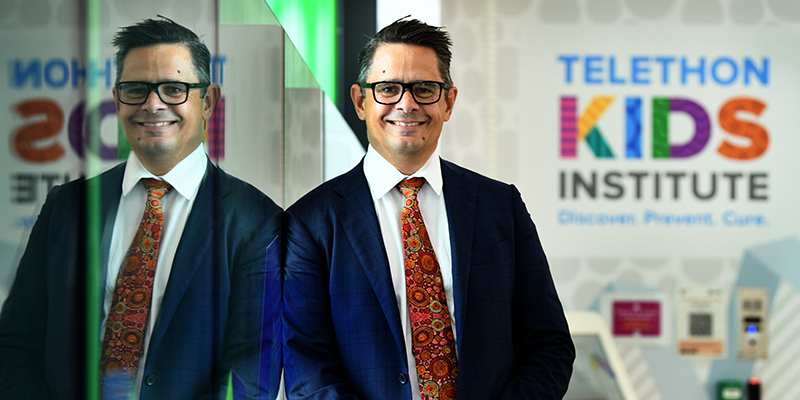
Former West Australian Treasurer, Hon Ben Wyatt, has accepted a position on the Board of WA’s leading medical research organisation, The Kids Research Institute Australia.
Considerable progress towards controlling malaria has been made in Papua New Guinea through the national malaria control programme's free distribution of long-lasting insecticidal nets, improved diagnosis with rapid diagnostic tests and improved access to artemisinin combination therapy. Predictive prevalence maps can help to inform targeted interventions and monitor changes in malaria epidemiology over time as control efforts continue.
Rapid advances in next-generation sequencing technology, particularly whole exome sequencing and whole genome sequencing, have greatly affected our understanding of genetic variation underlying rare genetic diseases. Herein, we describe ethical principles of guiding consent and sharing of genomics research data. We also discuss ethical dilemmas in rare diseases research and patient recruitment policies and address bioethical and societal aspects influencing the ethical framework for genetic testing.