
Search
Vitamin D research can vary geographically, as vitamin D status is influenced by latitude, season, dietary intake, body mass index, ethnicity, and public health initiatives. Over the last two decades, research on vitamin D has increased in Australia, where the potential for sun exposure (a major source of vitamin D) is high. We aimed to identify key topics and gaps in vitamin D research in Australia using a data-driven approach.
Given limited data regarding the involvement of disadvantaged groups in paediatric diabetes clinical trials, this study aimed to evaluate the socioeconomic representativeness of participants recruited into a multinational clinical trial in relation to regional and national type 1 diabetes reference populations.
For millennia, Aboriginal people's ways of knowing, doing and being were shared through art, song, and dance. Colonisation silenced these ways, affecting loss of self-determination for Aboriginal people. Over the past decade in Australia, hip-hop projects have become culturally appropriate approaches for health promotion.
Neonatal sepsis is a serious public health problem; however, there is substantial heterogeneity in the outcomes measured and reported in research evaluating the effectiveness of the treatments. Therefore, we aim to develop a Core Outcome Set (COS) for studies evaluating the effectiveness of treatments for neonatal sepsis.
We compared early vocal development in children "at risk" for cerebral palsy (CP) with typically developing (TD) infants aged 6 to 15 months using the SAEVD-R, investigating potential pre-linguistic markers of communication impairment. Additionally, we sought to examine the agreement between the SAEVD-R and IMP, which uses parent report, in identifying departure from typical vocal development in at-risk infants.
While there is potential for societal benefit from linkage and integration of large datasets, there are gaps in our understanding of the implications for children and young people, and limited inclusion of their views within this discourse. We aimed to understand the views and expectations of children, young people and their parents/caregivers in Aotearoa New Zealand regarding child health data storage, linkage and consent for use.
This paper provides the first causal evidence on the impact of retirement on housing choices. Our empirical strategy exploits the discontinuity in the eligibility ages for state pension as an instrument for the endogenous retirement decision and controls for time-invariant individual characteristics. The results show that retirement leads to a statistically significant and sizable increase in the probability of making a residential move or the likelihood of becoming outright homeowners.
Although many mothers initiate breastfeeding, supplementation with human-milk substitutes (formula) during the birth hospitalization is common and has been associated with early breastfeeding cessation. Colostrum hand expressed in the last few weeks before birth, known as antenatal colostrum expression (ACE), can be used instead of human-milk substitutes. However, evidence is lacking on the efficacy of ACE on breastfeeding outcomes and in non-diabetic mothers.
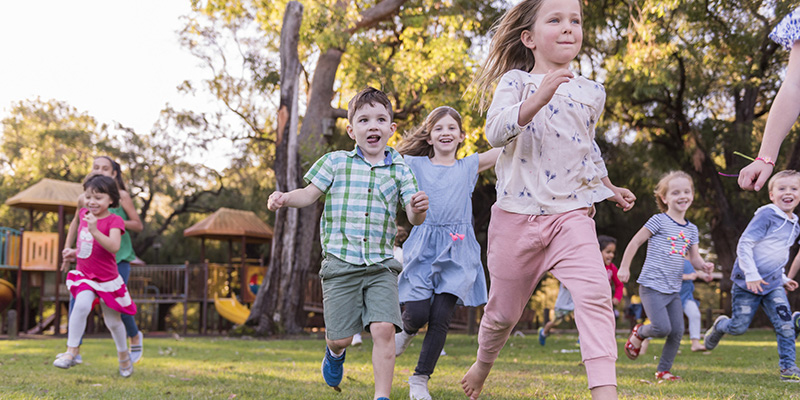
Kids and families can get their hands dirty at Sunday’s Telethon Family Festival at RAC Arena, with The Kids Research Institute Australia showcasing some of its world-class research.
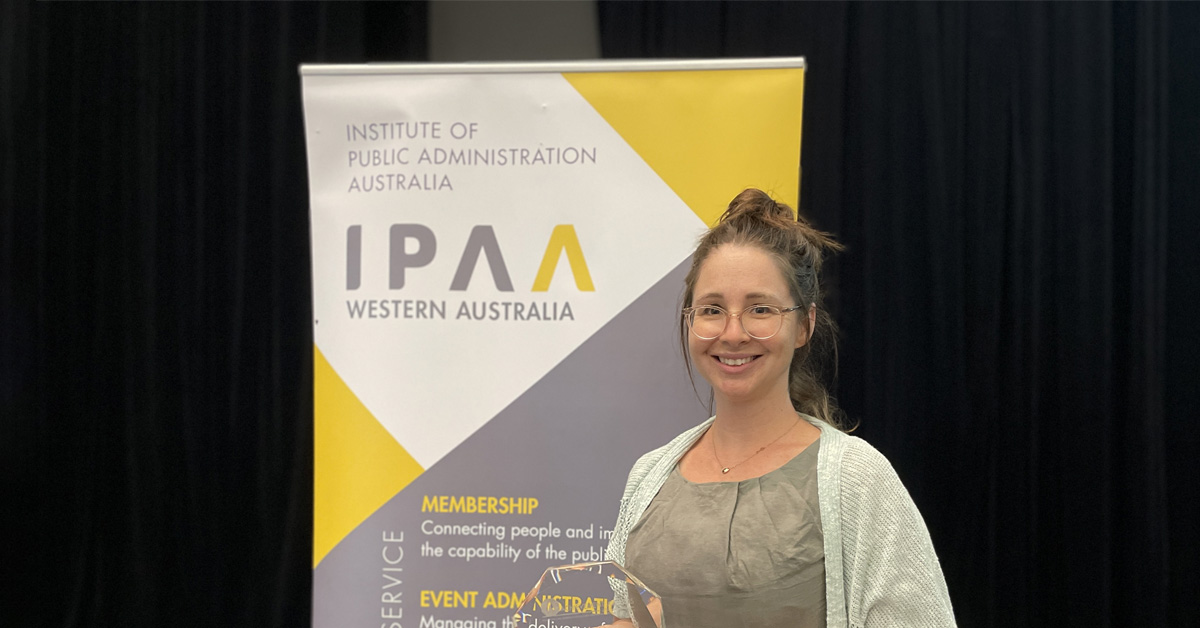
The Kids Research Institute Australia researchers who worked with young people to develop an app designed to help teenagers stay safe in the sun have been named joint winners of a new award for ‘Best Practice in Children’s Consultation’.