
Search

Our team’s vision is to reduce the burden of infectious diseases in children and their families through comprehensive approaches to understanding the burden of disease, developing and optimising diagnosis and treatment strategies and evaluating and informing current and future prevention programs.
On this Research Impact page, learn about our work that's actively translated as Government policy or in active practice. Learn how our research is making a difference in people's lives - not tomorrow, next week, or next year - but today!
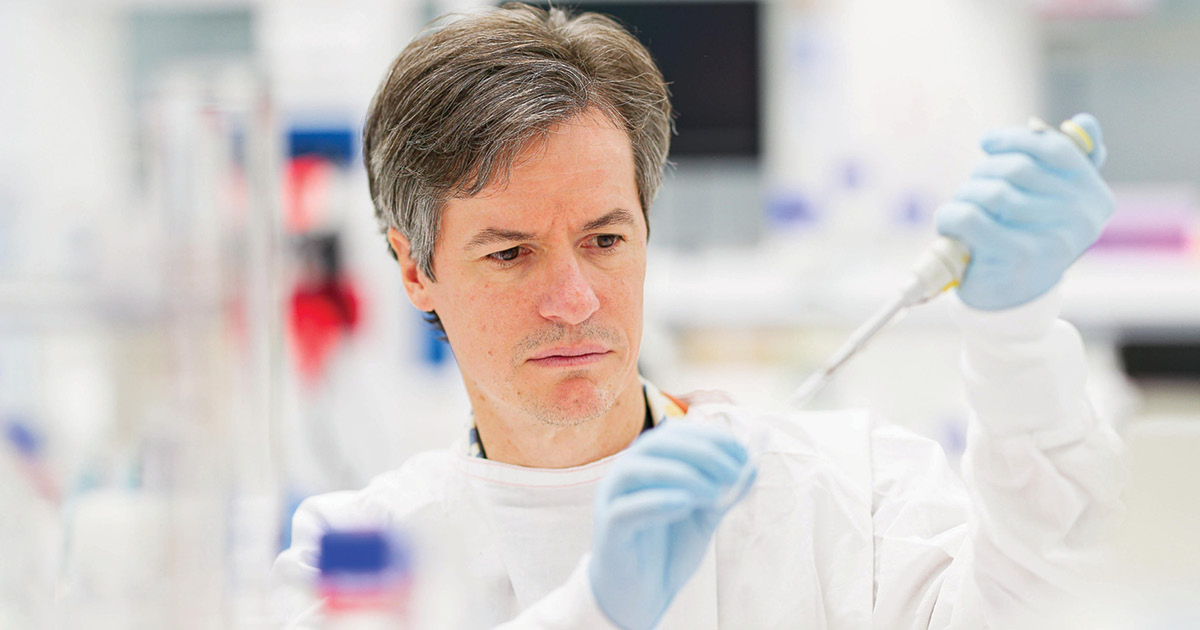
The Kids Research Institute Australia is playing a key role within a global team of experts whose work is transforming efforts to tackle a potentially deadly disease that disproportionately affects Aboriginal and Torres Strait Islander children in remote Australia.
On this Research Impact page, we list stories helping demonstrate how we collaborate with other leaders, innovators, communities, and international stakeholders to ensure excellent research results. The better our results, the better the chances of research making a real difference.
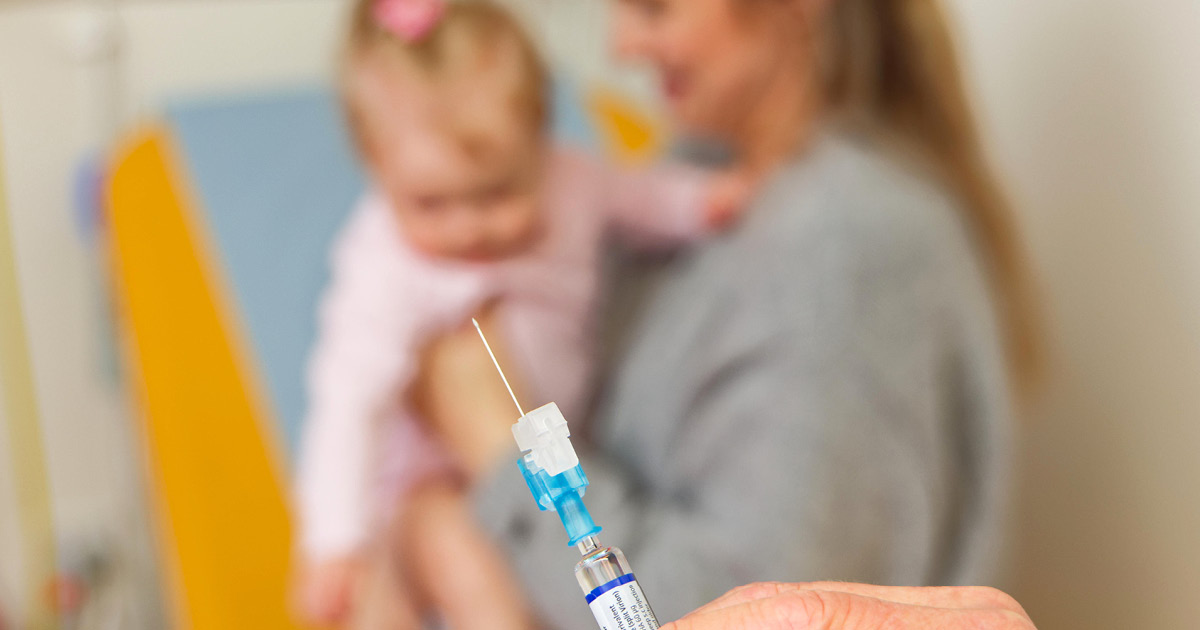
As a leading research site in Australia, the Wesfarmers Centre of Vaccines and Infectious Diseases played an instrumental role in the global effort to develop a world-first RSV immunisation for young babies.
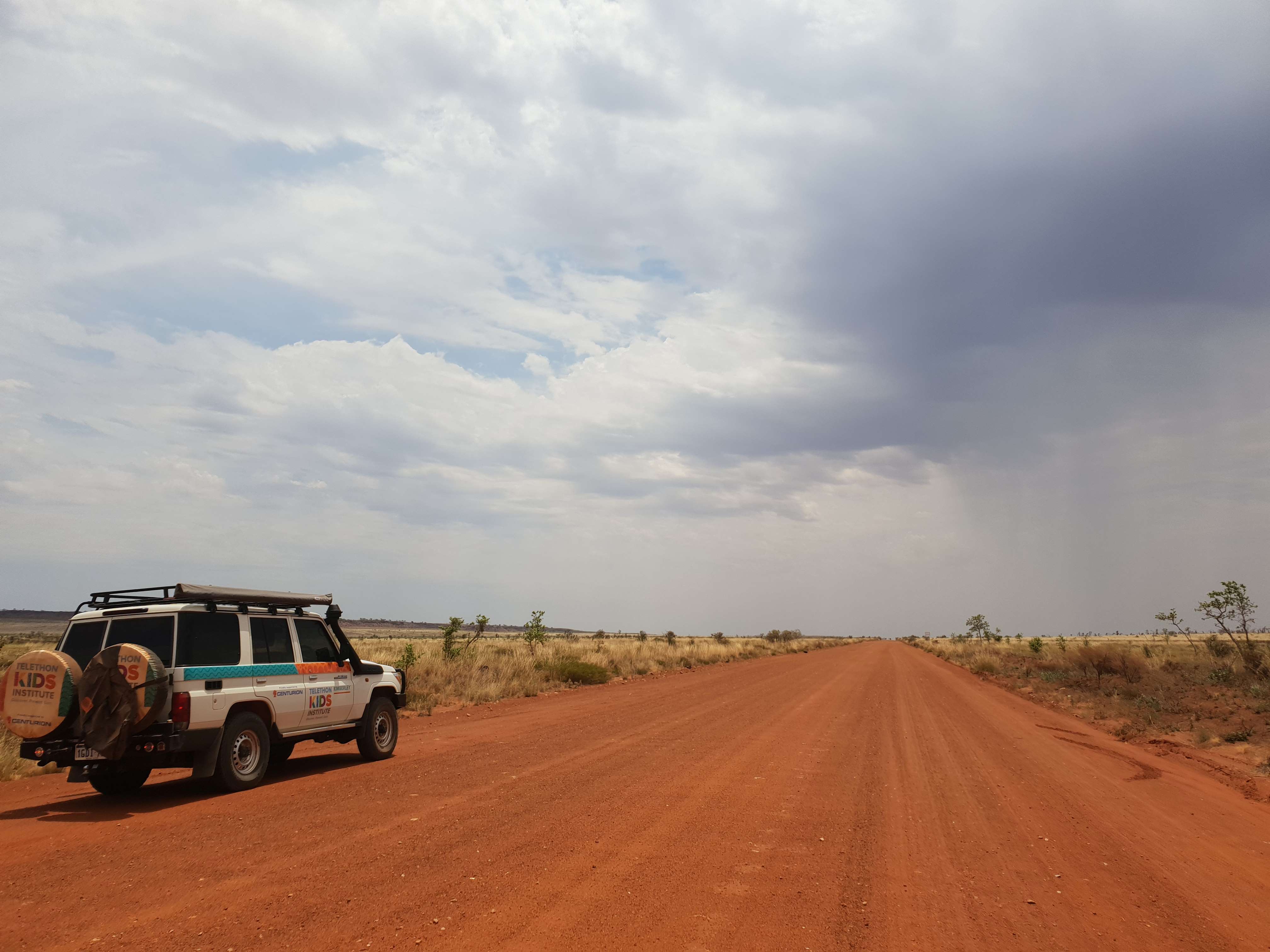
Led by The Kids Research Institute Australia and Aboriginal health organisations in close partnership with nine Aboriginal communities in Western Australia’s Kimberley region, the five-year SToP Trial set out to identify the best possible methods to See, Treat and Prevent painful skin sores and scabies.
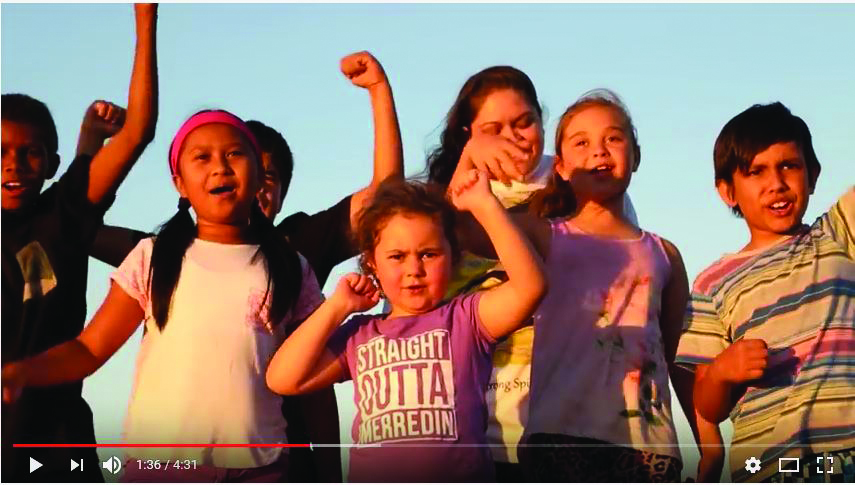
An innovative program set to run for about two and a half years aims to halve the number of children affected by skin infections.
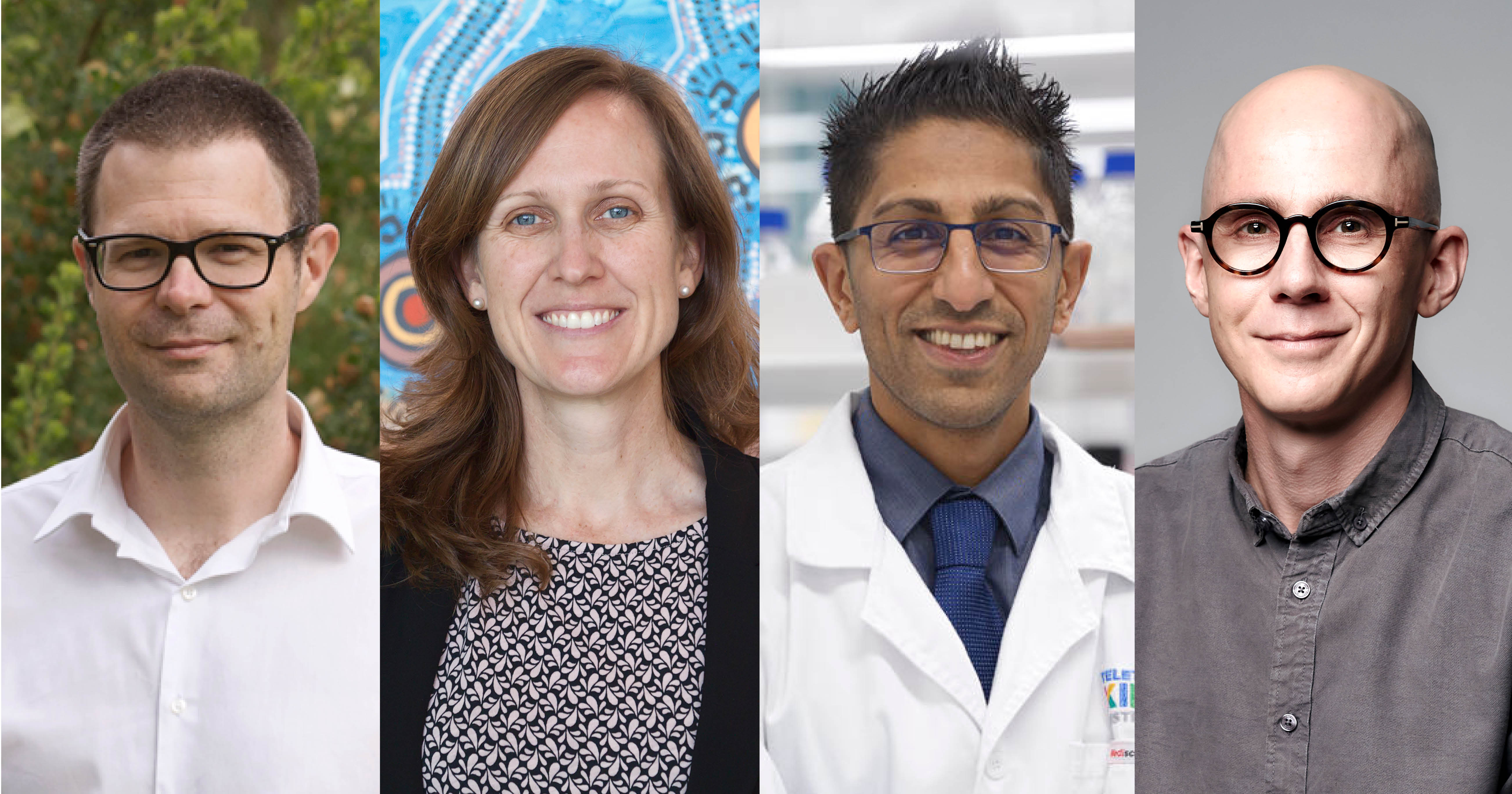
Four The Kids Research Institute Australia researchers have been awarded $8.8 million in prestigious Investigator Grants from the National Health and Medical Research Council to pursue innovative child health research focused on autism, childhood cancer, skin health, and Aboriginal genomics.
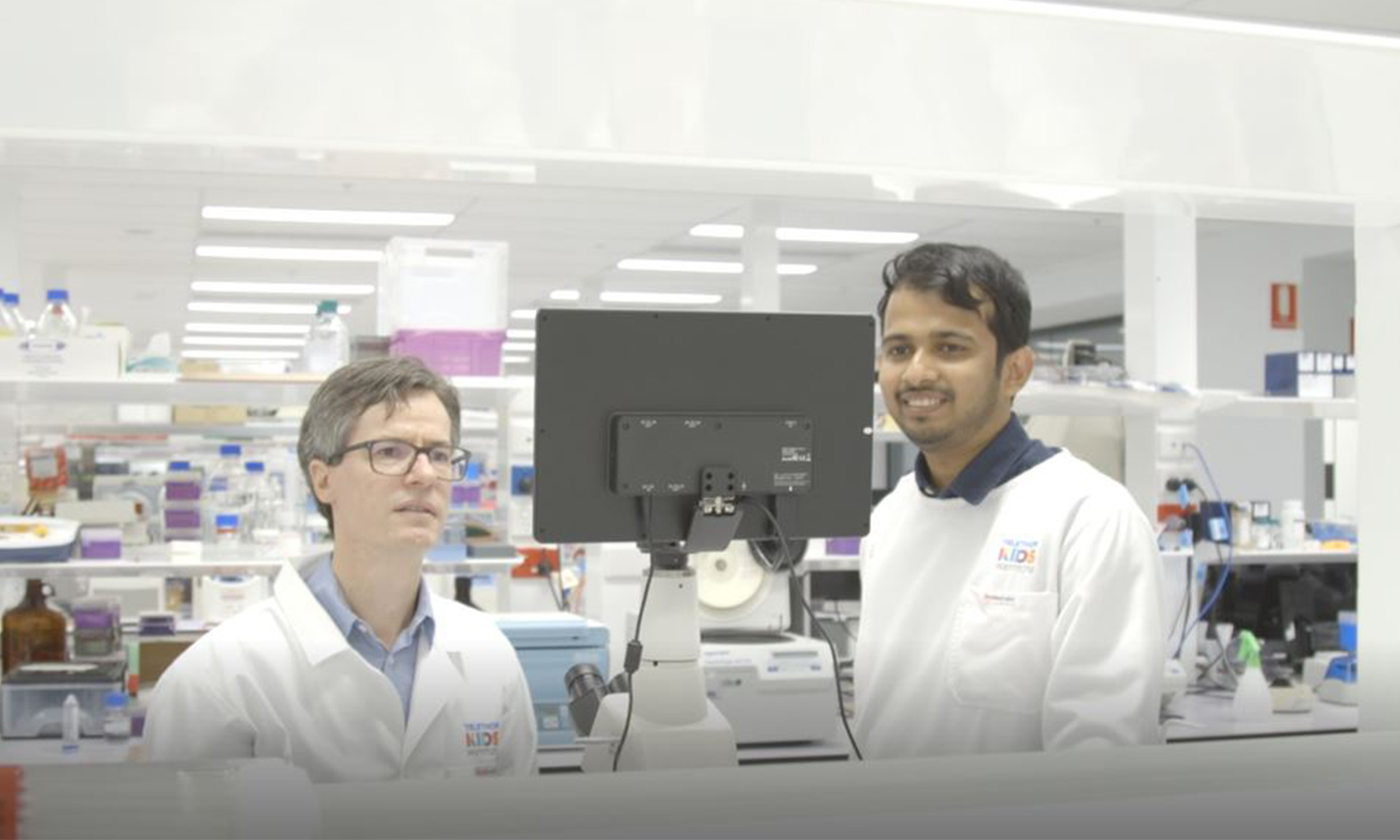
Vital research aiming to improve the treatment of potentially deadly Group A Streptococcus (Strep A) has been awarded $820,000 in the latest round of National Health and Medicine Research Council’s Ideas Grants.

An Australian-first study demonstrating the effectiveness of a new immunisation against respiratory syncytial virus (RSV) for babies found it to be almost 90 per cent effective in reducing hospitalisation rates and helped more than 500 WA families avoid a hospital stay.