
Search
Respiratory syncytial virus (RSV) is a significant cause of respiratory infections in young children. Since 2021, RSV has been a notifiable disease in Australia. However, current surveillance systems focus on hospitalised RSV, with limited surveillance at a community level through primary care clinics. This approach only captures RSV requiring hospitalisation. Less severe illnesses, while not captured, may have significant social and economic impacts including the associated cost of care and absenteeism. The aim of this study is to establish an understanding of the broader burden of RSV in young children in a community setting.
This study described the presenting features, initial assessment, hospital care, and complications at discharge among Australian adolescents and young adults with Invasive meningococcal disease.
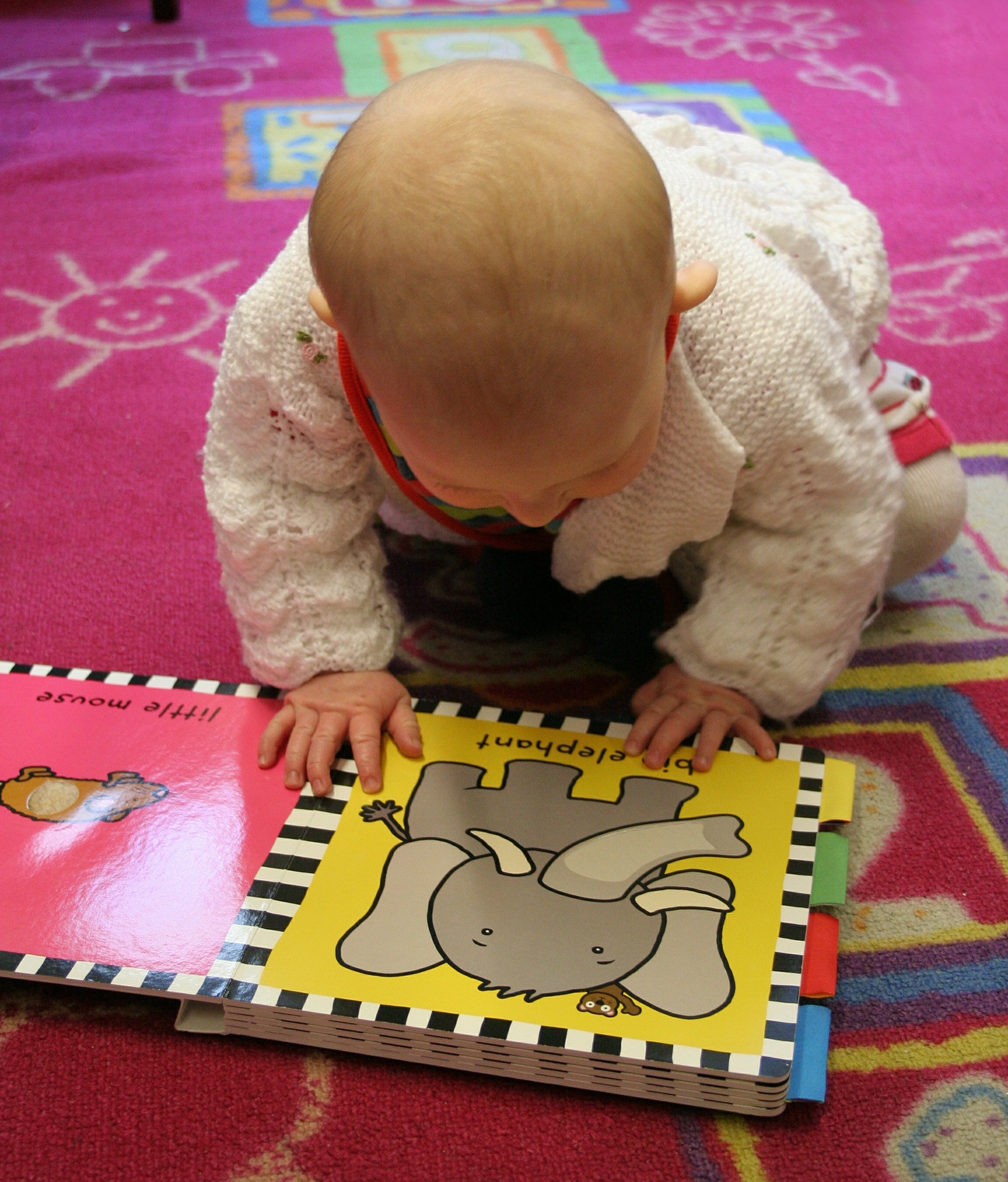
Measles is a highly contagious infectious disease that can cause severe, long-term complications in children.
PICOBOO is a randomised, adaptive trial evaluating the immunogenicity and reactogenicity of licensed COVID-19 booster vaccines in immunocompetent individuals >12 years old. Here, we present data for seven different vaccines among three pre-specified participant strata defined by age and primary vaccine schedule.
Although evidence supports clinicians to "safely do less" for febrile infants assessed as low risk of serious bacterial infection (SBI), early discharge may increase caregiver concern and reduce satisfaction with care. We captured the self-reported satisfaction and concerns for families enrolled in the study of fever, blood cultures and readiness for discharge in infants less than 3 months old (FeBRILe3), a prospective safety assessment of early discharge of low-risk febrile infants, to aid evaluation of this practice.
Vancomycin is used to treat serious gram-positive infections in children; however, effective dosing information for those aged 3 months to 18 years is limited. We aimed to determine an optimized dosing strategy for this age group.
Australia introduced a hybrid Respiratory Syncytial Virus (RSV) Maternal and Infant Protection Program (RSV-MIPP) in 2025, using National Immunisation Program-funded RSV vaccine for pregnant people from 28 weeks' gestation and jurisdiction-funded nirsevimab. We estimated real-world effectiveness and assessed the impact of the RSV-MIPP program across a participating surveillance network.
Pneumococcal conjugate vaccine (PCV) prevents pneumococcal disease and pneumonia, but indirect effects are poorly understood in low-coverage, high-burden settings like Papua New Guinea (PNG). PNG introduced 13-valent PCV (PCV13) in 2014. We aimed to assess direct and indirect effectiveness of PCV13 against vaccine-type pneumococcal carriage among children with pneumonia or suspected meningitis in PNG

We will leverage the unique Western Australian data linkage resources to undertake the definitive twin and sibling study of infection-related hospitalisation
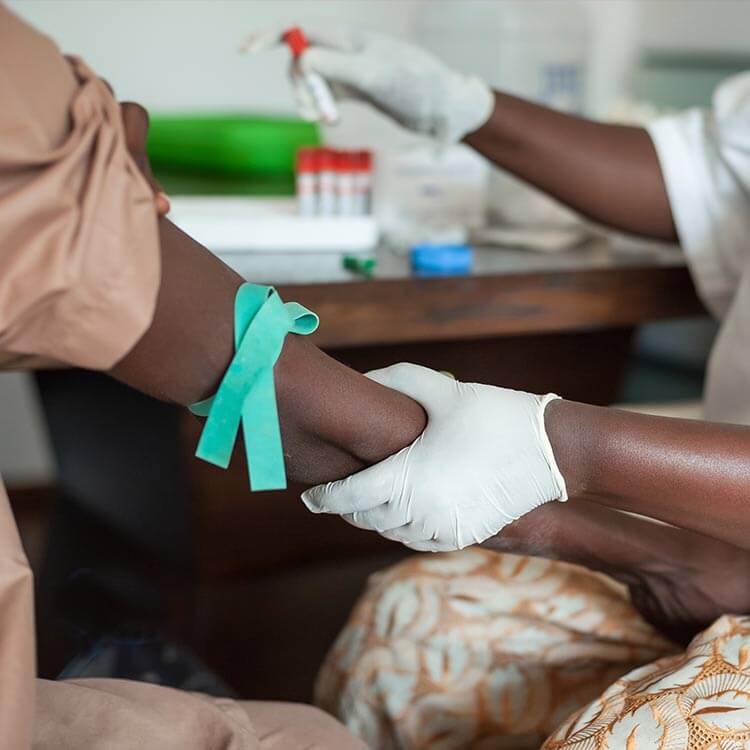
This study investigated host gene expression in response to new HIV infection.