
Search
Our skin, the body’s largest organ, protects us and maintains overall health. Untreated recurring skin infections like impetigo and scabies severely impact children. The Kids is at the forefront of combatting skin infections, particularly within remote Aboriginal communities experiencing some of the world’s highest rates.
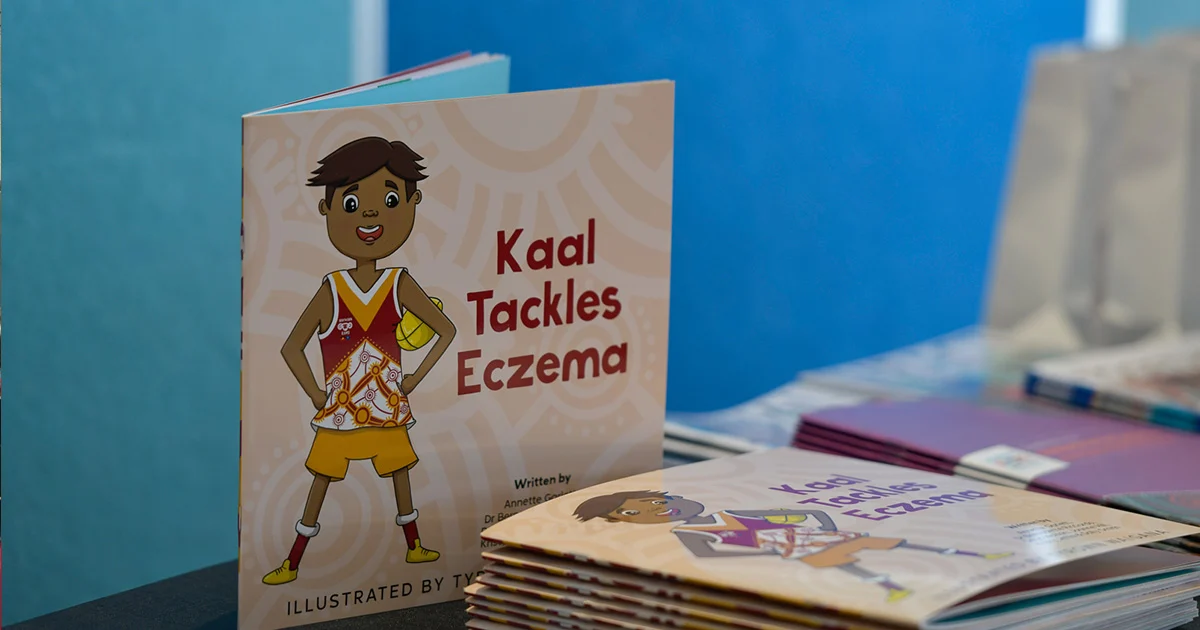
In close partnership with Aboriginal Elders and community members in Western Australia's south-west, we created ‘Kaal Tackles Eczema’, a children’s book to help Aboriginal families manage eczema. Our research showed a high prevalence and need for culturally relevant resources. The book uses Noongar language and art to educate and reduce infections, and is available online and in schools.

In late 2022, six-year-old Megan Hutton was living the dream of many kids her age as she celebrated being named runner-up champion athlete at her school sports carnival.
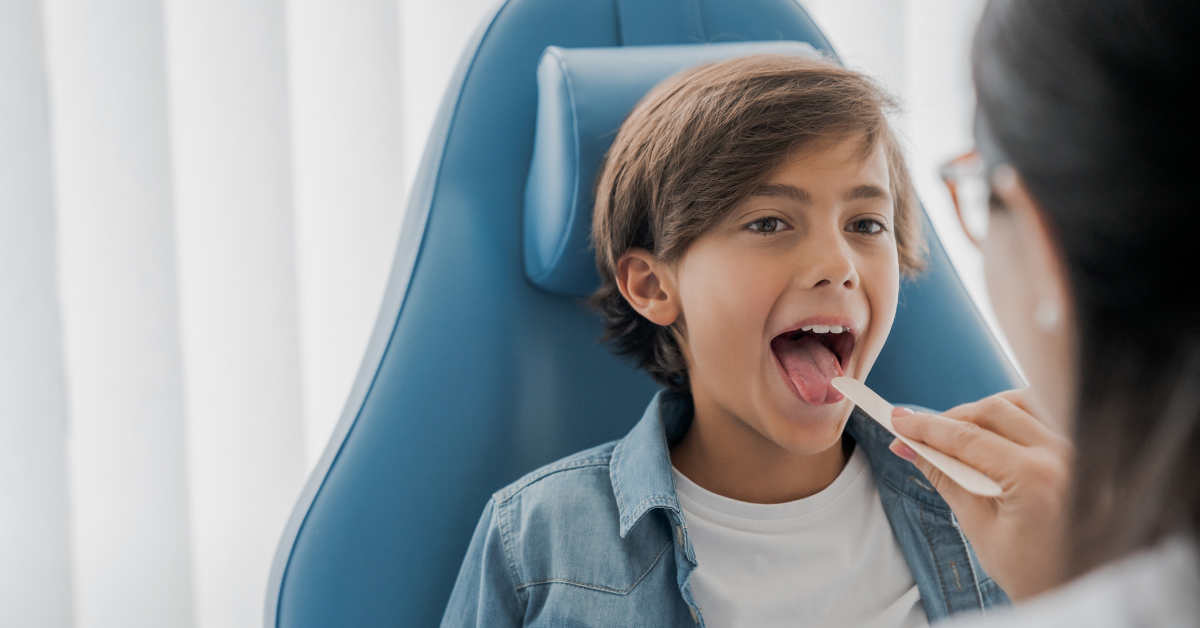
The Institute has become one of the world’s leading Strep A hubs, with multiple teams working in the Institute’s END RHD Program, headed by Associate Professor Asha Bowen, working to understand how Strep A works and find better ways to prevent and control the diseases it causes.
More than 3,000 skin checks have been undertaken as part of a large clinical trial in WA’s Kimberley region aimed at halving the burden of skin sores in school-aged Aboriginal children.
Inadequate housing and living conditions underpin significant health and wellbeing inequality in Australia, particularly for Indigenous people. This review aimed to define infectious disease (ID) outcomes used to measure the health impact of inadequate housing in Australia within a research context.
Asha Jacinta Bernadette Bowen Walton Ricciardo BA MBBS DCH FRACP PhD GAICD FAHMS OAM MBBS (hon) DCH FACD Head, Healthy Skin and ARF Prevention
The abundant skin commensal, Staphylococcus epidermidis, is the leading cause of late-onset sepsis (LOS) in preterm infants but rarely causes infections in term infants and adults. Staphylococcal virulence mechanisms and the role of the preterm immune responses in driving these life-threatening infections remain poorly understood.
Acute rheumatic fever is an immune-mediated condition triggered by Streptococcus pyogenes sore throat and possibly skin infection, with a substantial burden in resource-limited settings. Clinical decision rules (CDRs) are commonly used to guide antibiotic treatment of sore throat based on signs and symptoms, but their diagnostic accuracy varies by study and setting. This work aimed to assess the accuracy of multiple CDRs in Fiji to diagnose S. pyogenes sore throat.
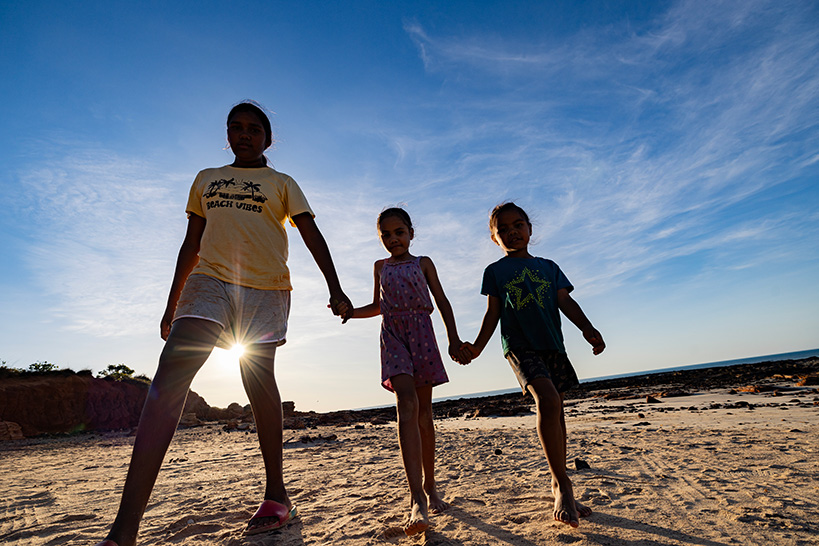
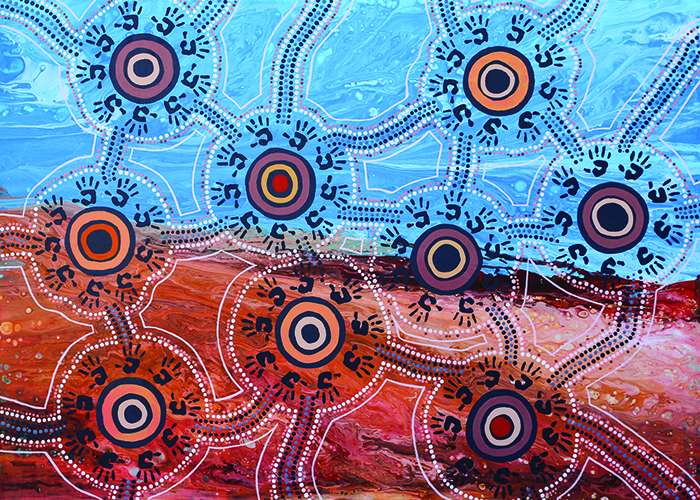
Aboriginal health is everyone's business. The needs of Aboriginal and Torres Strait Islander families and kids is integrated into all relevant areas of our work. Improving the health and wellbeing of Aboriginal and Torres Strait Islander kids and families is an overarching priority for every team at The Kids.