
Search
We have read with interest the new publication by Rouhiainen and colleagues on missed opportunities for preventing or diagnosing acute rheumatic fever (ARF).
Rheumatic heart disease, a major cause of morbidity and mortality in low- and middle-income countries, results from acute rheumatic fever (ARF), for which no diagnostic test currently exists. The ARF Diagnosis Collaborative Network (ARC Network) was established to address this gap by recruiting a rigorously phenotyped, globally representative cohort of children and adolescents with ARF and controls to support biomarker discovery.
This article documents the establishment of community laundries in rural/remote Aboriginal and Torres Strait Islander communities between 2000-2024, with the aim to support synergistic planning, implementation and evaluation.
Intramuscular (IM) injection of benzathine benzylpenicillin G (BPG) forms the cornerstone of acute rheumatic fever (ARF) and rheumatic heart disease (RHD) secondary prophylaxis. BPG is available as either a low-cost powdered formulation or a costlier pre-filled suspension. Most of the global RHD burden lies in low- and middle-income countries, which rely on the powdered formulation.
Fear of severe adverse reaction (SAR) and reluctance of health care providers to administer intramuscular injections are major contributing factors to poor adherence of benzathine penicillin G (BPG) in the management of rheumatic heart disease (RHD). However, data on the risk of SARs following BPG injections for RHD are relatively limited and inconclusive. Our systematic review and meta-analysis aimed to evaluate the incidence of SARs associated with BPG injections used for secondary prophylaxis of RHD.
Although benzylpenicillin (penicillin G) is listed by the World Health Organization as an Essential Medicine, dose optimization is a persistent challenge, especially for long-acting intramuscular formulations. Maintaining sustained antibiotic exposure at target concentrations is crucial for secondary chemoprophylaxis of rheumatic heart disease and treatment of syphilis.
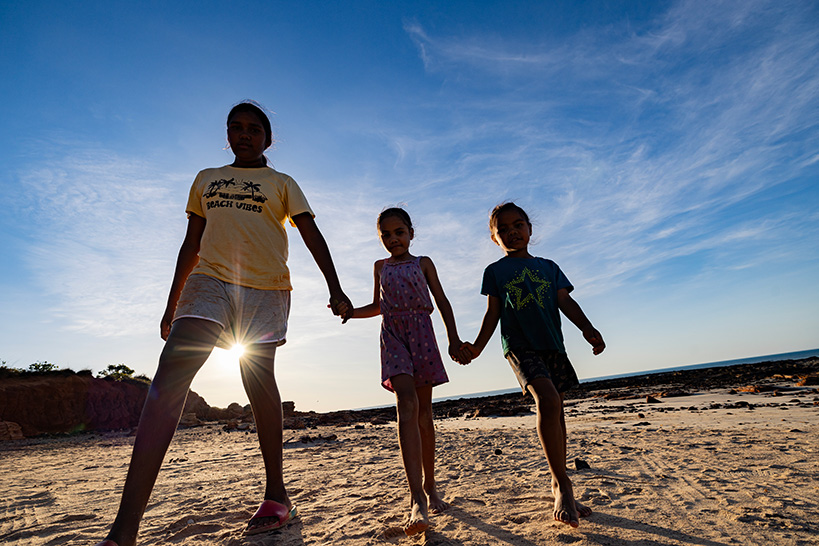
Aboriginal health is everyone's business. The needs of Aboriginal and Torres Strait Islander families and kids is integrated into all relevant areas of our work. Improving the health and wellbeing of Aboriginal and Torres Strait Islander kids and families is an overarching priority for every team at The Kids.

End RHD CRE News & Events
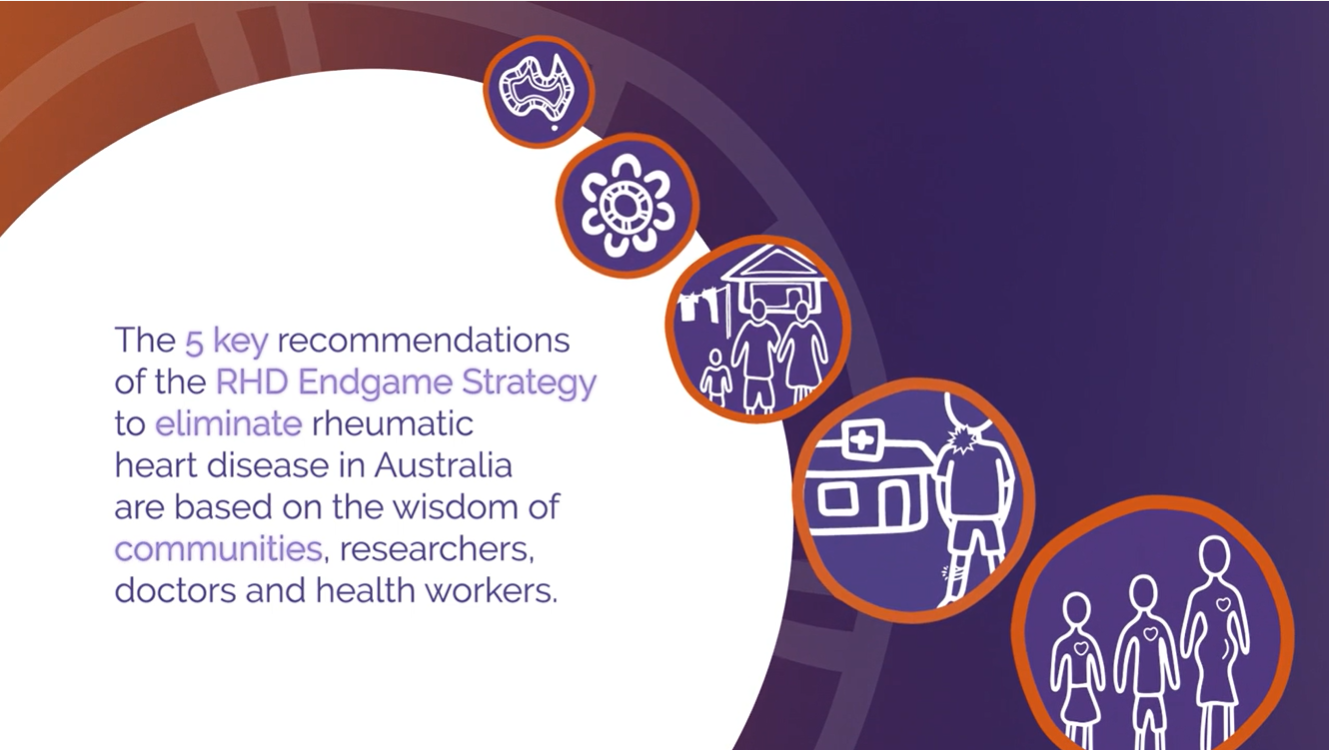
Across Australia, more than 5,000 Aboriginal and Torres Strait Islander people are currently living with rheumatic heart disease (RHD) or its precursor, acute rheumatic fever (ARF).
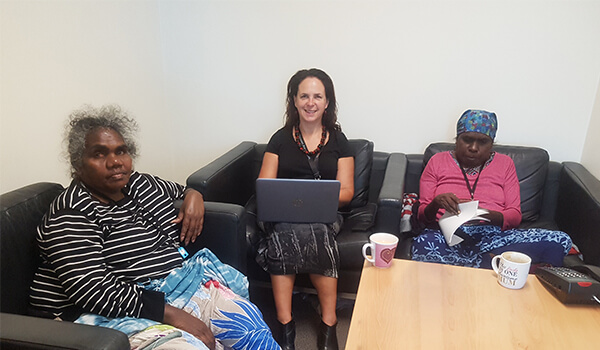
For Aboriginal Community Researchers Minitja Marawili and Yunutju Gondarra, the work of the END RHD CRE is deeply personal.