
Search
Developmental Coordination Disorder is a lifelong disability impacting most aspects of daily living that involve movement. With an estimated prevalence of ~5% of children, the disorder affects an average of one to two children in every Australian classroom.
To evaluate the participation difficulties experienced by children with developmental coordination disorder in home, school, and community environments.
CDKL5 deficiency disorder (CDD) is a rare developmental and epileptic encephalopathy. Ganaxolone, a neuroactive steroid, reduces the frequency of major motor seizures in children with CDD. This analysis explored the effect of ganaxolone on non-seizure outcomes.
Developmental Coordination Disorder (DCD) is a neurodevelopmental condition impacting motor skill acquisition and competence. While previous studies have identified adverse psychosocial outcomes in DCD, they are limited by small or population-screened, community-based samples.
Children with Developmental Coordination Disorder (DCD) experience difficulties performing fundamental movement skills, resulting in reduced physical activity (PA). Given low PA can impact mental and physical health, improving PA in DCD appears imperative. This study investigates the feasibility of a Facebook delivered, parent mediated, PA intervention for children with DCD.
The current diagnostic pathways for cognitive impairment rarely identify babies at risk before 2 years of age. Very early detection and timely targeted intervention has potential to improve outcomes for these children and support them to reach their full life potential. Early Moves aims to identify early biomarkers, including general movements (GMs), for babies at risk of cognitive impairment, allowing early intervention within critical developmental windows to enable these children to have the best possible start to life.
The aim of this study was to understand the challenges experienced by families obtaining a diagnosis and therapy for developmental coordination disorder (DCD). Parents of 435 children aged 4-18 years with persistent motor difficulties consistent with a diagnosis of DCD completed an online survey. Diagnostic timeline and diagnostic label/s received were examined, along with therapies accessed.
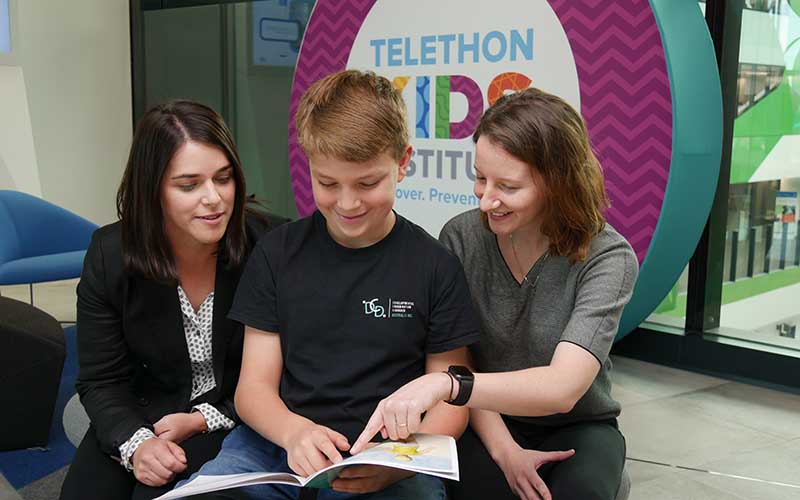
Two The Kids Research Institute Australia researchers behind a new book featuring the voices of Kids with DCD.
Neurodevelopmental disorders (NDDs) have high comorbidity rates and shared etiology. Nevertheless, NDD assessment is diagnosis-driven and focuses on symptom profiles of individual disorders, which hinders diagnosis and treatment. There is also no evidence-based, standardized transdiagnostic approach currently available to provide a full clinical picture of individuals with NDDs. The pressing need for transdiagnostic assessment led to the development of the Neurodevelopment Assessment Scale.
Early motor impairments have been reported in children with neurodevelopmental disorders (NDD), but it is not clear if early detection of motor impairments can identify children at risk for NDD or how early such impairments might be detected. Our aim was to characterize early motor function in children later diagnosed with NDD relative to typically developing children or normative data.