
Search
Characterised by varying degrees of difficulties in communication skills and social abilities, one in every 100 individuals will have a diagnosis of an autism spectrum condition. While autism is known to run in families, the exact causes remain unknown.
Developmental Coordination Disorder is a lifelong disability impacting most aspects of daily living that involve movement. With an estimated prevalence of ~5% of children, the disorder affects an average of one to two children in every Australian classroom.
One in eight children have asthma, a chronic disease of the airways in the lungs. It results in shortness of breath, chest tightness, wheezing and coughing.
Bronchiolitis is a respiratory infection, usually occurring in babies under six months of age. It causes them to wheeze and can lead to pneumonia. Researchers are focusing on vaccines against the virus which commonly causes it.
Each day of school missed makes a difference, with the effect on learning accumulating over time. From an early age, if children are taught that they need to 'show up' for school and make a commitment, this positive mentality aids academic and career success and brings benefits in adulthood.
Food allergies have become more common in our community, with up to one in ten young children now affected. Reactions can range from mild hives to life threatening anaphylaxis and breathing difficulties. The most common food allergies are to egg, peanut, tree nuts, cow’s milk, fish, shellfish, sesame, wheat and soy.
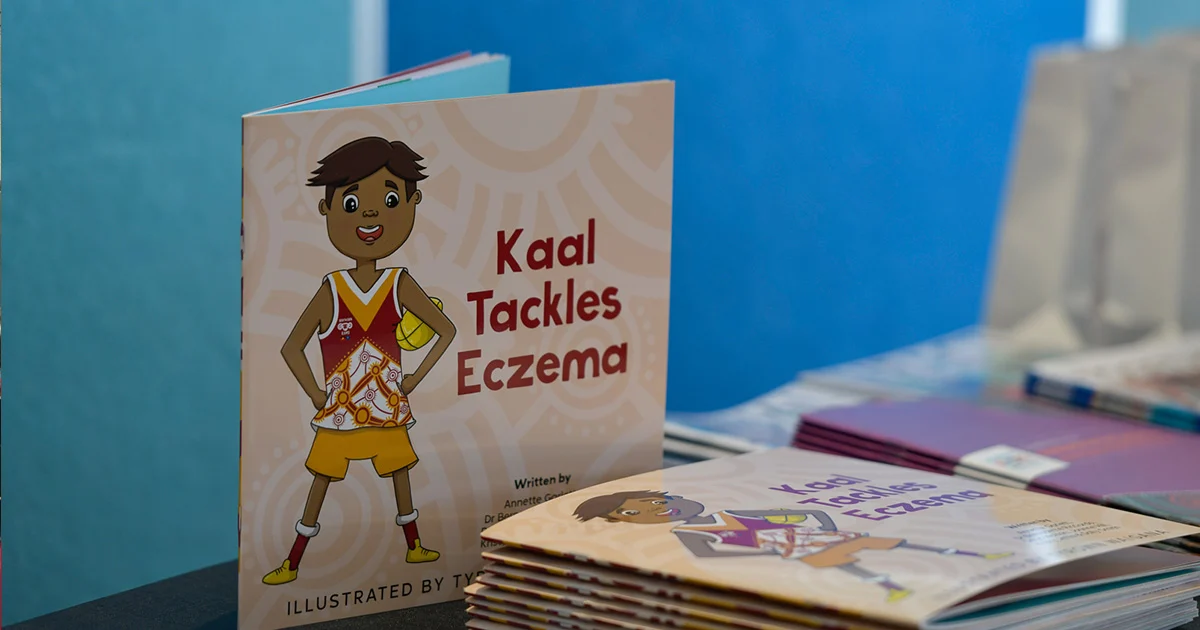
In close partnership with Aboriginal Elders and community members in Western Australia's south-west, we created ‘Kaal Tackles Eczema’, a children’s book to help Aboriginal families manage eczema. Our research showed a high prevalence and need for culturally relevant resources. The book uses Noongar language and art to educate and reduce infections, and is available online and in schools.
Down syndrome, also known as Trisomy 21, is one of the most common chromosome abnormalities in humans. It occurs when a child's cells end up with 47 chromosomes instead of the usual 46. Down syndrome causes intellectual disability and other physical and learning challenges.
Transgender is a term that includes people whose gender identity, gender expression, or behavior does not conform to conventional gender notions of male or female.
Even in the safety of their home, there are many risky places a child or teenager can visit online. This can be due to the content they see, who they come into contact with, and personal information they share.