
Search
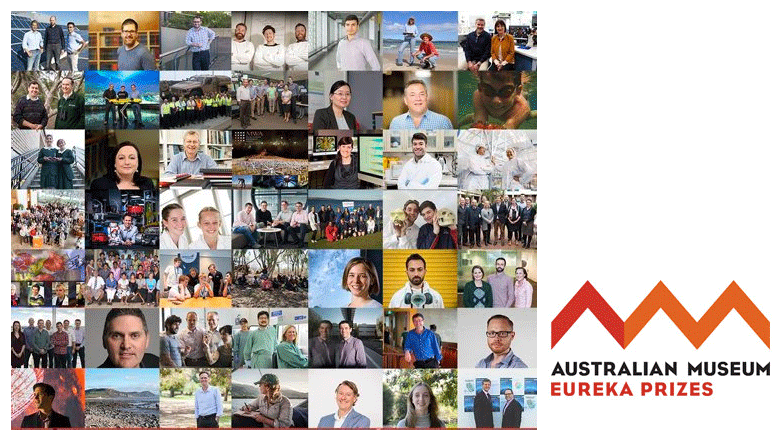
Three Perth researchers from The Kids Research Institute Australia have today been named finalists for the 2016 Australian Museum Eureka Prizes.
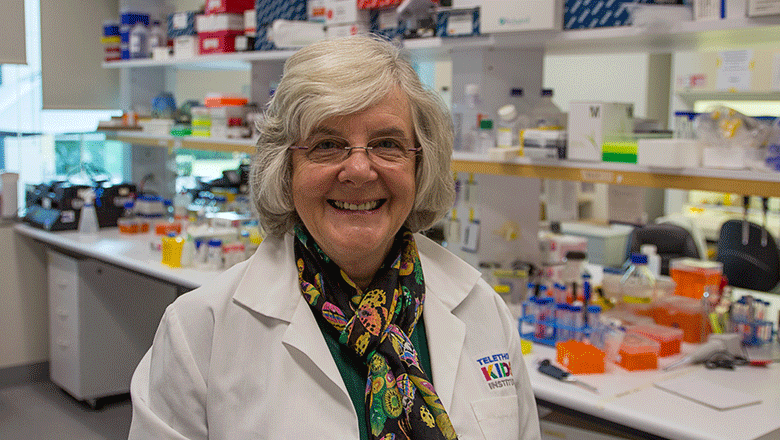
Professor Jenny Blackwell has been made a Fellow of the Australian Academy of Science, an honour reserved for the very best scientists in the country.
An internationally recognised researcher at The Kids Research Institute Australia has been made a Fellow of the Australian Academy of Science
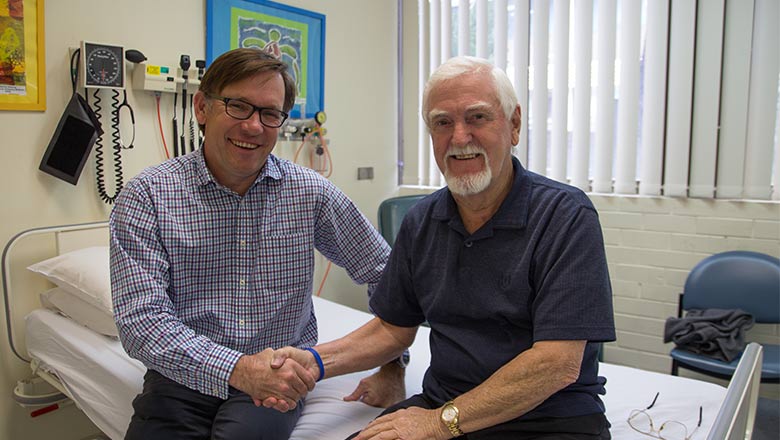
Sarah Le Roi knows well how debilitating Clostridium difficile infection (CDI) can be. She was struck down with the 'superbug' while on holiday in the US.
Wesfarmers Centre of Vaccine and Infectious Diseases Research Seminar Series 2014.Genetic and functional studies of leishmaniasis: understanding the role of HLA
Research has identified a critical genetic risk factor for a potentially fatal parasitic disease that affects up to 400 thousand people a year, mostly children.
Prime Ministers of Australia and New Zealand have agreed to provide $3M to help fast-track the development of a vaccine against rheumatic fever.
Hear the facts about vaccination and infectious disease from some of Australia's leading experts: Professor Jonathan Carapetis, Dr Peter Richmond
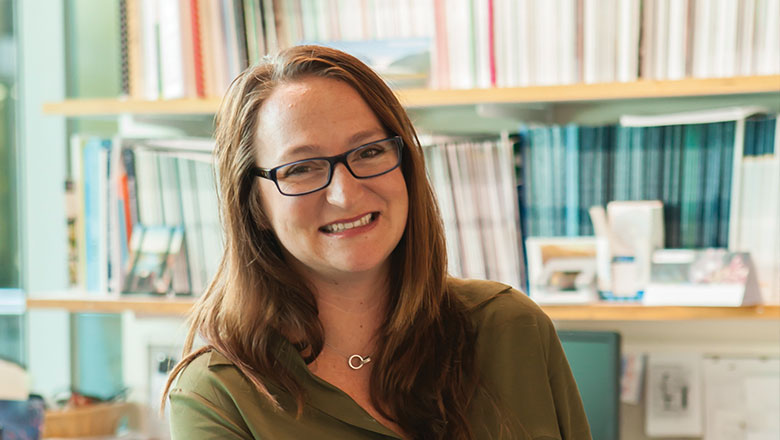
The world's largest study of gastroenteritis trends in children has shown the disparity between Aboriginal and non-Aboriginal health may be improving.
New research from The Kids for Child Health Research shows that the pneumococcal vaccine program has contributed to closing of the gap