
Search
The Wesfarmers Centre is pleased to announce the successful applications for the 2017 Round 2 Wesfarmers Centre Seed Funding. The Wesfarmers Centre
Congratulations goes to Dr Asha Bowen and Dr Ruth Thornton for being the successful first round recipients of the WCVID.
The Wesfarmers Centre is pleased to announce the successful applications for the 2016 Round 2 Wesfarmers Centre Seed Funding.
Eight applicants were successful, and were awarded $15,000 each for activities supporting subsequent research grant applications.
In 2014, the Wesfarmers Centre of Vaccines & Infectious Diseases put out a first call for seed funding proposals.

Preventing over half of the world’s ear infections with a therapy such as Spritz-OM will significantly improve health and educational outcomes on a global scale.
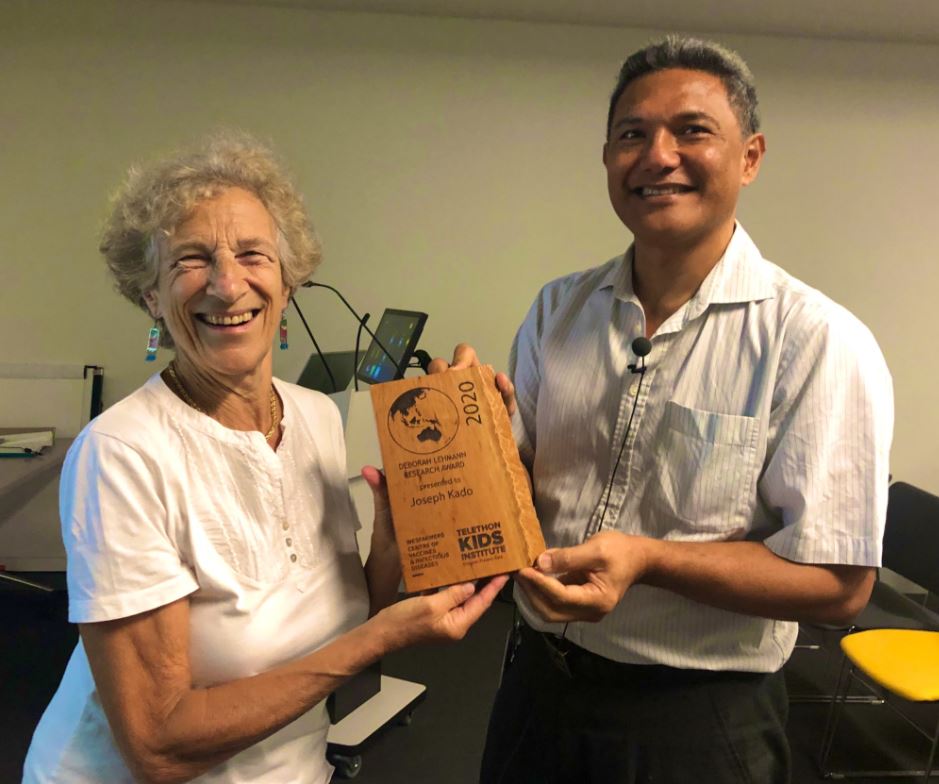
The Wesfarmers Centre has established the Deborah Lehmann Research Award to acknowledge the significant contribution that Clinical Associate Professor Deborah Lehmann AO has made to paediatric infectious disease research.
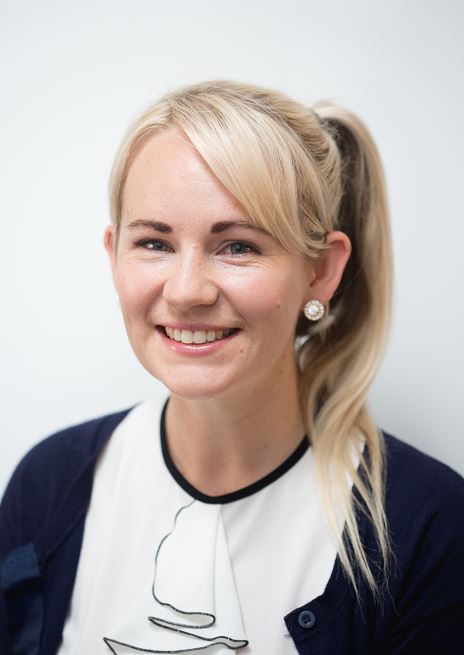
Dr Janessa Pickering is a research microbiologist with expertise in the molecular diagnostics and host pathogen interactions of upper respiratory tract pathogens that cause disease in children.
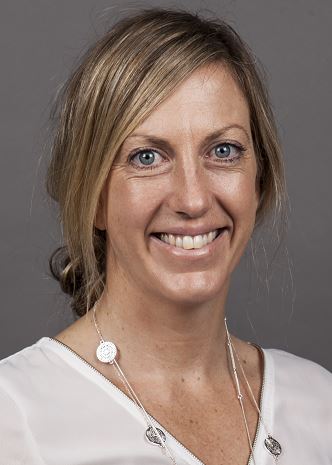
Program Manager

Families living in remote Kimberley communities are paying up to twice as much for everyday items needed to support healthy living, according to new research led by The Kids Research Institute Australia.