
Search
Little is known about how sun exposure may affect the maternal skin barrier during pregnancy when many hormonal and physiological changes occur. In this longitudinal observational study, 50 pregnant women were recruited at 18-24 weeks' gestation, 25 in summer-autumn, and 25 in winter-spring. At three time points in pregnancy at 18-24, 28-30, and 36-38 weeks' gestation, participants completed a validated sun exposure questionnaire and had skin permeability and surface pH measured on the volar forearm.
Infant growth trajectory may influence later-life obesity. Human milk provides a wide range of nutritional and bioactive components that are vital for infant growth. Compared to formula-fed infants, breastfed infants are less likely to develop later-onset obesity, highlighting the potential role of bioactive components present in human milk.
Infant growth trajectories reflect current health status and may predict future obesity and metabolic diseases. Human milk is tailored to support optimal infant growth. However, nutrient intake rather than milk composition more accurately predicts growth outcomes. Although the role of protein leverage in infant growth is unclear, protein intake is important for early infancy growth.
Pregnant women are advised to take folic acid (FA) supplements before conception and during the first trimester of pregnancy. Many women continue FA supplementation throughout pregnancy, and concerns have been raised about associations between excessive FA intake and adverse maternal and child health outcomes.
Iron deficiency (ID) is the most common nutritional deficiency affecting young children. Serum ferritin concentration is the preferred biomarker for measuring iron status because it reflects iron stores; however, blood collection can be distressing for young children and can be logistically difficult. A noninvasive means to measure iron status would be attractive to either diagnose or screen for ID in young children.
To determine whether children who have child maltreatment allegation or substantiation have a higher rate of general hospital admissions and injury related admi

The vision of the Nutrition in Early Life team is to work together with the community to produce quality research, for improving our knowledge of how a mother’s diet during pregnancy and breastfeeding can improve both her and her child’s health.

Head, Nutrition in Early Life
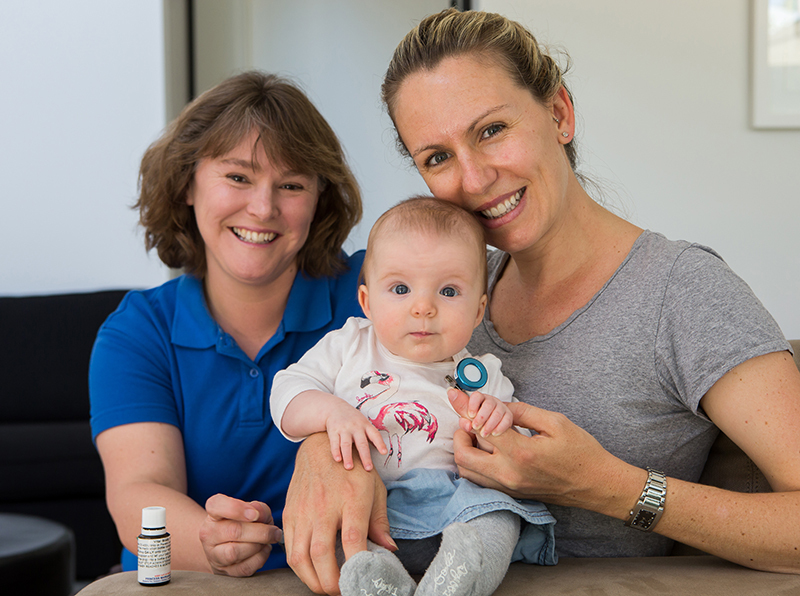
A study led by The Kids Research Institute Australia has suggested vitamin D supplementation in babies is no match for sunlight when it comes to preventing eczema.
Debbie Susan Palmer Prescott BSc BND PhD MBBS BMedSci PhD FRACP Head, Nutrition in Early Life Honorary Research Fellow debbie.palmer@uwa.edu.au