
Search
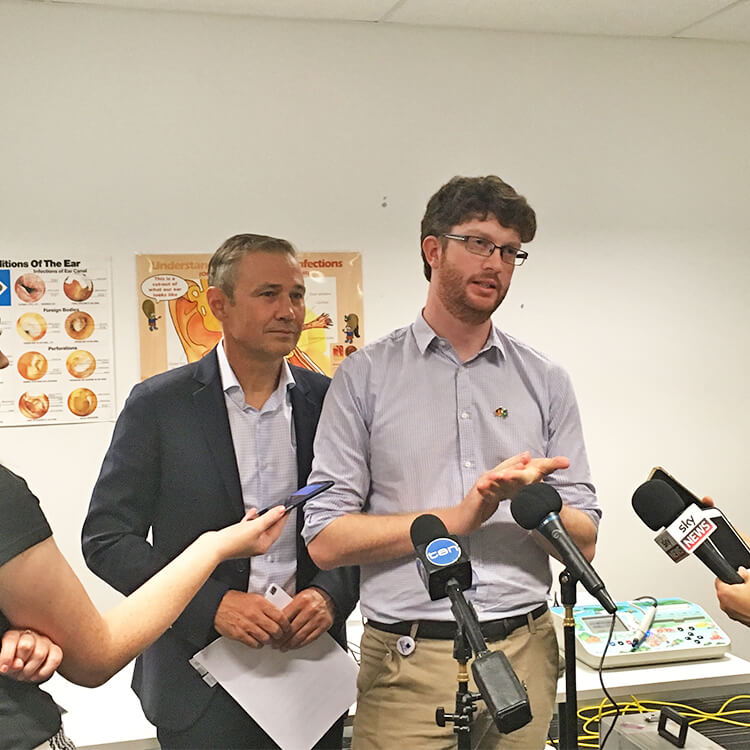
Wait times for Aboriginal children suffering ear infections could be reduced to less than four weeks thanks to a new The Kids Research Institute Australia research project
Consumers and community members are invited to join us to provide input into our childhood infectious diseases research.
Peter Ruth Elke Richmond Thornton Seppanen MBBS MRCP(UK) FRACP PhD BSc PhD Head, Vaccine Trials Group Co-head, Bacterial Respiratory Infectious
Ruth Elke Peter Thornton Seppanen Richmond PhD BSc PhD MBBS MRCP(UK) FRACP Co-head, Bacterial Respiratory Infectious Disease Group (BRIDG) Program
Glue ear is when a child's middle ear fills with sticky fluid behind the ear drum. A common condition, glue ear usually goes undetected, as it's not an obvious condition from the outside.
Chronic tinnitus during childhood/adolescence can be associated with impaired quality of life. Guidelines for managing paediatric tinnitus recommend assessment and interventions are often based upon the experiences and opinions of guideline committee members.
We explore the contemporary landscape of housing investments and initiatives seeking to improve health outcomes among Aboriginal and Torres Strait Islander people in Australia, as well as the dearth of quality evidence and agreed approaches to evaluation.
Otitis media (OM) is the leading cause of childhood hearing loss but its burden in low-middle-income countries like Papua New Guinea (PNG) is poorly understood. We aimed to determine the proportion of children aged ≤15 years attending clinics in Goroka, Eastern Highlands Province, PNG with OM and associated risk factors.
There is limited but consistent evidence that suggests prenatal factors, including maternal stress, may contribute to susceptibility for otitis media. We aimed to determine the effect of multiple life stress events during pregnancy on risk of acute and recurrent otitis media in offspring at three and five years of age.
Nontypeable Haemophilus influenzae (NTHi) is a major otitis media (OM) pathogen, with colonization a prerequisite for disease development. Most acute OM is in children <5 years old, with recurrent and chronic OM impacting hearing and learning. Therapies to prevent NTHi colonization and/or disease are needed, especially for young children. Respiratory viruses are implicated in driving the development of bacterial OM in children.