Skip to content

Search

Development of a Symptom-Based Tool for Screening of Children at High Risk of Preschool Asthma

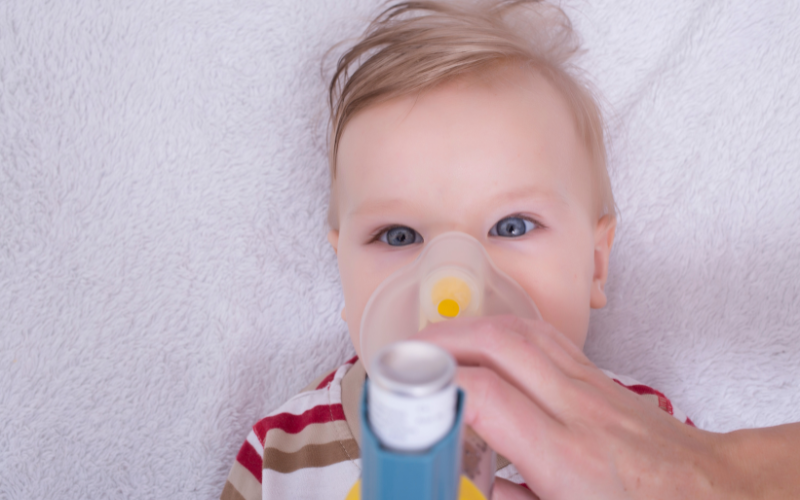
Despite advances in asthma therapeutics, the burden remains highest in preschool children; therefore, it is critical to identify primary care tools that distinguish preschool children at high risk for burdensome disease for further evaluation.

Oscillometry and spirometry are not interchangeable when assessing the bronchodilator response in children and young adults born preterm

The European Respiratory Society Oscillometry Taskforce identified that clinical correlates of bronchodilator responses are needed to advance oscillometry in clinical practice. The understanding of bronchodilator-induced oscillometry changes in preterm lung disease is poor. Here we describe a comparison of bronchodilator assessments performed using oscillometry and spirometry in a population born very preterm and explore the relationship between bronchodilator-induced changes in respiratory function and clinical outcomes.

EVC-EVC2 complex stability and ciliary targeting are regulated by modification with ubiquitin and SUMO

Ellis van Creveld syndrome and Weyers acrofacial dysostosis are two rare genetic diseases affecting skeletal development. They are both ciliopathies, as they are due to malfunction of primary cilia, microtubule-based plasma membrane protrusions that function as cellular antennae and are required for Hedgehog signaling, a key pathway during skeletal morphogenesis.

Prevalence of chronic respiratory diseases in Aboriginal children: A whole population study

The burden of bronchiectasis is disproportionately high in Aboriginal adults, with early mortality. Bronchiectasis precursors, that is, protracted bacterial bronchitis and chronic suppurative lung disease, often commence in early childhood.

The effect of azithromycin on structural lung disease in infants with cystic fibrosis (COMBAT CF): a phase 3, randomised, double-blind, placebo-controlled clinical trial

Structural lung disease and neutrophil-dominated airway inflammation is present from 3 months of age in children diagnosed with cystic fibrosis after newborn screening. We hypothesised that azithromycin, given three times weekly to infants with cystic fibrosis from diagnosis until age 36 months, would reduce the extent of structural lung disease as captured on chest CT scans.

COVID-19 monitoring with sparse sampling of sewered and non-sewered wastewater in urban and rural communities

Equitable SARS-CoV-2 surveillance in low-resource communities lacking centralized sewers is critical as wastewater-based epidemiology (WBE) progresses. However, large-scale studies on SARS-CoV-2 detection in wastewater from low-and middle-income countries is limited because of economic and technical reasons.

Electronic Cigarette Usage Patterns and Perceptions in Adult Australians

Despite their increasing popularity, and Australia's unique regulatory environment, how and why Australian adults use e-cigarettes and their perceptions of their safety, efficacy and regulation have not been extensively reported before. In this study, we screened 2217 adult Australians with the aim of assessing these questions in a sample of current or former e-cigarette users.

Thoracic Society of Australia and New Zealand (TSANZ) position statement on chronic suppurative lung disease and bronchiectasis in children, adolescents and adults in Australia and New Zealand

This position statement, updated from the 2015 guidelines for managing Australian and New Zealand children/adolescents and adults with chronic suppurative lung disease (CSLD) and bronchiectasis, resulted from systematic literature searches by a multi-disciplinary team that included consumers.

Risk factors for poorer respiratory outcomes in adolescents and young adults born preterm

The respiratory outcomes for adult survivors of preterm birth in the postsurfactant era are wide-ranging with prognostic factors, especially those encountered after the neonatal period, poorly understood.

Normal values of respiratory oscillometry in South African children and adolescents

Noninvasive measurement of respiratory impedance by oscillometry can be used in young children aged from 3 years and those unable to perform forced respiratory manoeuvres. It can discriminate between healthy children and those with respiratory disease. However, its clinical application is limited by the lack of reference data for African paediatric populations. The aim of the present study was to develop reference equations for oscillometry outcomes in South African children and adolescents.