
Search
The coronavirus disease 2019 (COVID-19) pandemic continues to impact mental health and wellbeing globally. There is a lack of scientific documentation highlighting the mental health impact of COVID-19 in Bhutan. We present the mental health burdens and control measures taken, and suggest ways to further strengthen mental health services in Bhutan.
Children with chronic medical conditions are at increased risk of severe influenza. Uptake of influenza vaccination in children and adolescents with these identified special risk medical conditions is suboptimal.
To assess the association between in utero exposure to seasonal inactivated influenza vaccine (IIV) and the risk of a diagnosis of a neurodevelopmental disorder in early childhood.
Antenatal inactivated influenza and pertussis-containing vaccines offer protection against severe respiratory infections for pregnant women and infants <6 months of age. Both vaccines are recommended in pregnancy; however, little is known about temporal or jurisdictional trends and predictors of uptake.
Staphylococcus aureus bloodstream (SAB) infection is a common and severe infectious disease, with a 90-day mortality of 15%-30%. Despite this, <3000 people have been randomized into clinical trials of treatments for SAB infection.
Acute rheumatic fever (ARF) is a multiorgan inflammatory disorder that results from the body's autoimmune response to pharyngitis or a skin infection caused by Streptococcus pyogenes (Strep A). Acute rheumatic fever mainly affects those in low- and middle-income nations, as well as in indigenous populations in wealthy nations, where initial Strep A infections may go undetected.
Group A Streptococcus (Strep A) is responsible for a significant global health and economic burden. The recent prioritization of Strep A vaccine development by the World Health Organization has prompted global research activities and collaborations. To progress this prioritization, establishment of robust surveillance for Strep A to generate updated regional disease burden estimates and to establish platforms for future impact evaluation is essential.

Valuable support from the Raine Medical Research Foundation’s 2025 grant round will power four new research projects at The Kids Research Institute Australia.
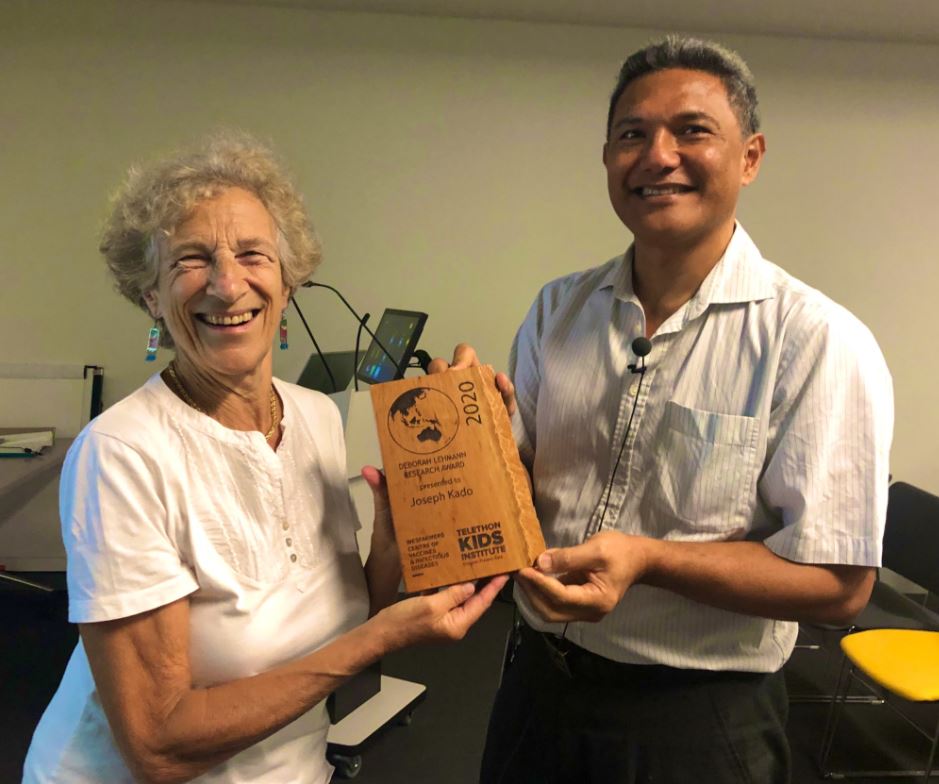
The Wesfarmers Centre has established the Deborah Lehmann Research Award to acknowledge the significant contribution that Clinical Associate Professor Deborah Lehmann AO has made to paediatric infectious disease research.

Dr Janessa Pickering is a research microbiologist with expertise in the molecular diagnostics and host pathogen interactions of upper respiratory tract pathogens that cause disease in children.