
Search
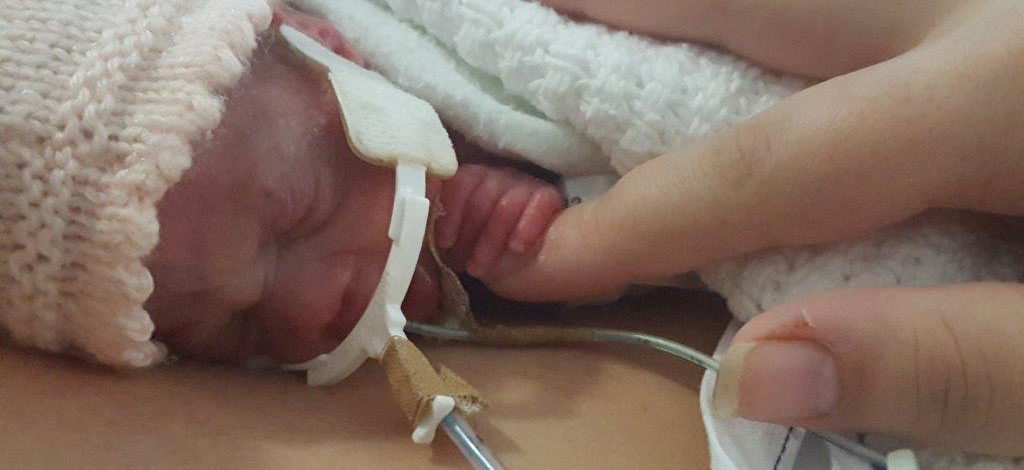
When KEMH specialists first suggested using coconut oil to treat the fragile skin of Kimberly Rohrlach’s extremely premature first-born child, Isabella, she thought it was more than a little weird.
The first ever National Healthy Skin Guideline has become the gold standard for the treatment, prevention and public health control of skin infections in Indigenous populations in Australia and provides a positive framework for healthy skin.
Bullying is now regarded as a health problem and not just a disciplinary problem. Increasing evidence shows both traditional bullying (e.g. hitting, teasing) and cyberbullying have lasting effects on young people (both those who bully and those who are bullied), including damage to self-esteem, academic results and mental health.
The skin is the largest and most visible organ of the human body. As such, skin infections can have a significant impact on overall health, social wellbeing and self-image.
Desiree Dr Jackie Susan Lisa Zenobia Silva Davis Prescott Gibson Talati MBBS, FRACP, MPH, PhD BSc (Hons), PGradDipHlthProm, PhD MBBS BMedSci PhD
Steve Desiree Zubrick Silva FASSA, FAAMHS, MSc AM PhD MBBS, FRACP, MPH, PhD Honorary Emeritus Research Fellow Co-Director, ORIGINS 08 6319 1409
Tamara Chris Valerie Veselinovic Brennan-Jones Swift BSc(Hons) MClinAud PhD PhD Clinical Research Fellow Head, Ear and Hearing Health Aboriginal
Infant growth trajectories reflect current health status and may predict future obesity and metabolic diseases. Human milk is tailored to support optimal infant growth. However, nutrient intake rather than milk composition more accurately predicts growth outcomes. Although the role of protein leverage in infant growth is unclear, protein intake is important for early infancy growth.
Continuous glucose monitoring (CGM) can detect early dysglycemia in older children and adults with presymptomatic type 1 diabetes and predict risk of progression to clinical onset. However, CGM data for very young children at greatest risk of disease progression are lacking.
This study aimed to assess whether undertaking retrieval was associated with fatigue independent of sleep and circadian disruption. It also aimed to assess the feasibility of routinely measuring the psychomotor vigilance test on neonatal transport. Fatigue is associated with impaired clinician performance and safety.