
Search
This report provides new insight into the functional specialization within the broad network of dendritic cells that are responsible for skin immunosurveillance
This article investigates the impact of burn & excisional injury on the immune system.
T-cell repertoire is selected according to self peptide-MHC (major histocompatibility complex) complexes in the thymus.
Many proteasomes expressed by normal cells and cells exposed to cytokines are "mixed", that is, contain both standard and immunoproteasome subunits.
To investigate the immune capabilities of peripheral tissue DCs generated in vivo from the BM of UV-irradiated mice, chimeric mice were established.
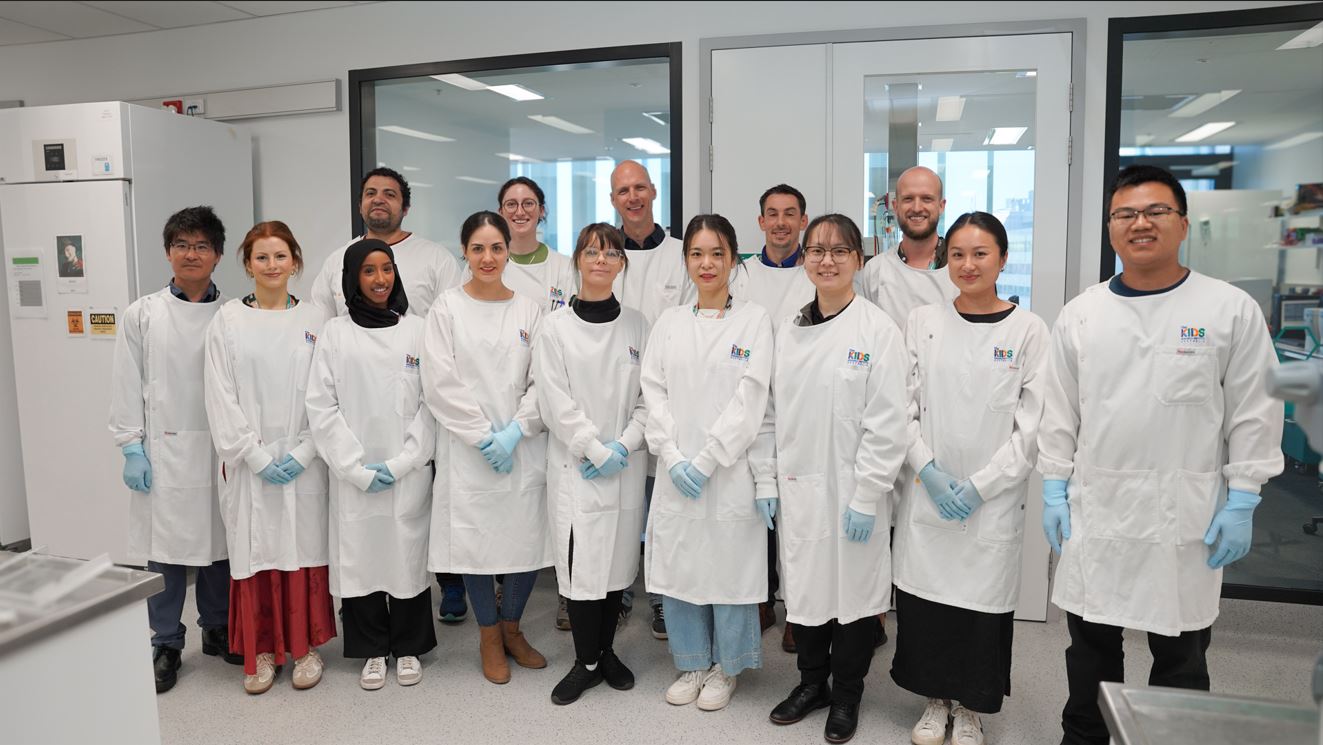
We aim to discover and develop safer and more effective treatments by doing inventive and rigorous research to improve outcomes for kids with cancer.
Dysphagia, one of the most common complications in head and neck cancer (HNC) treated with radiotherapy, can severely affect patients’ quality of life. Currently, because no “gold standard” treatment exists, swallowing exercise remains the main rehabilitation strategy for dysphagia. However, patients’ compliance with long-term swallowing exercise is only 40%, thus, greatly compromising outcomes. This article aims to analyze thefactors influencing swallowing exercise compliance in patients with HNC and explains strategies developed to date for improved rehabilitation outcomes.
Chemotherapy has historically been the mainstay of cancer treatment, but our understanding of what drives a successful therapeutic response remains limited.
To explore the experience of non-small-cell lung cancer patients with targeted therapy-related skin adverse drug reactions.
W. Joost Ben Lizeth Rachael Tao Omar Lesterhuis Wylie Orozco Morales Zemek Wang Elaskalani BSc PhD BSc, MSc, PhD BSc (Hons), PhD PhD BSc, MSc, PhD