Search
News & Events
The Kids researchers finalists in Premier’s Science AwardsThe Kids Research Institute Australia has two researchers and an innovative science engagement initiative as finalists in the 2017 Premier’s Science Awards.
Latest news & events at the Wesfarmers Centre of Vaccines & Infectious Diseases.
Research
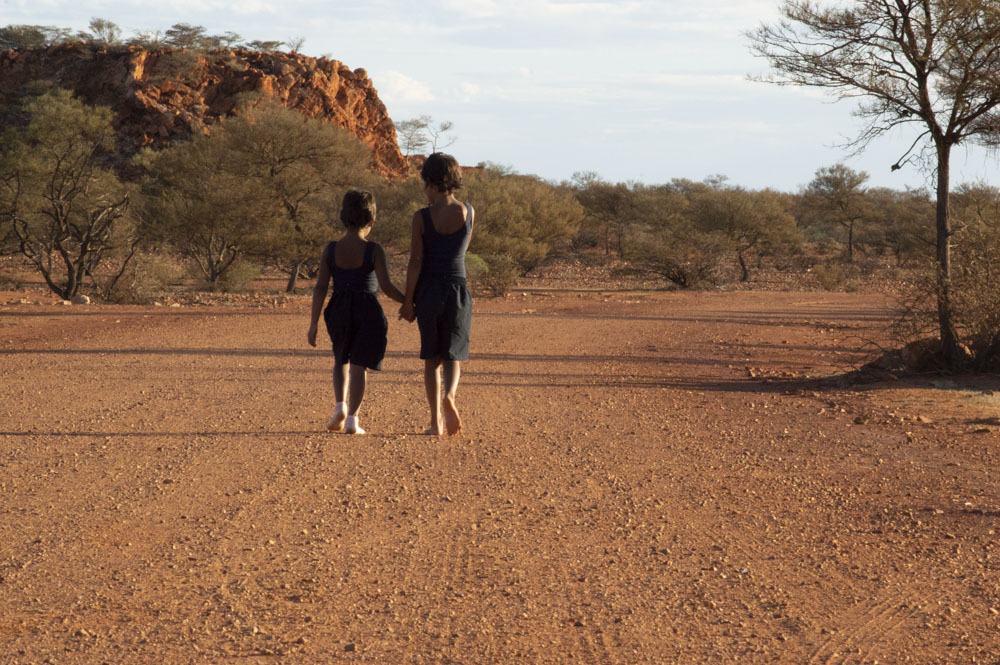
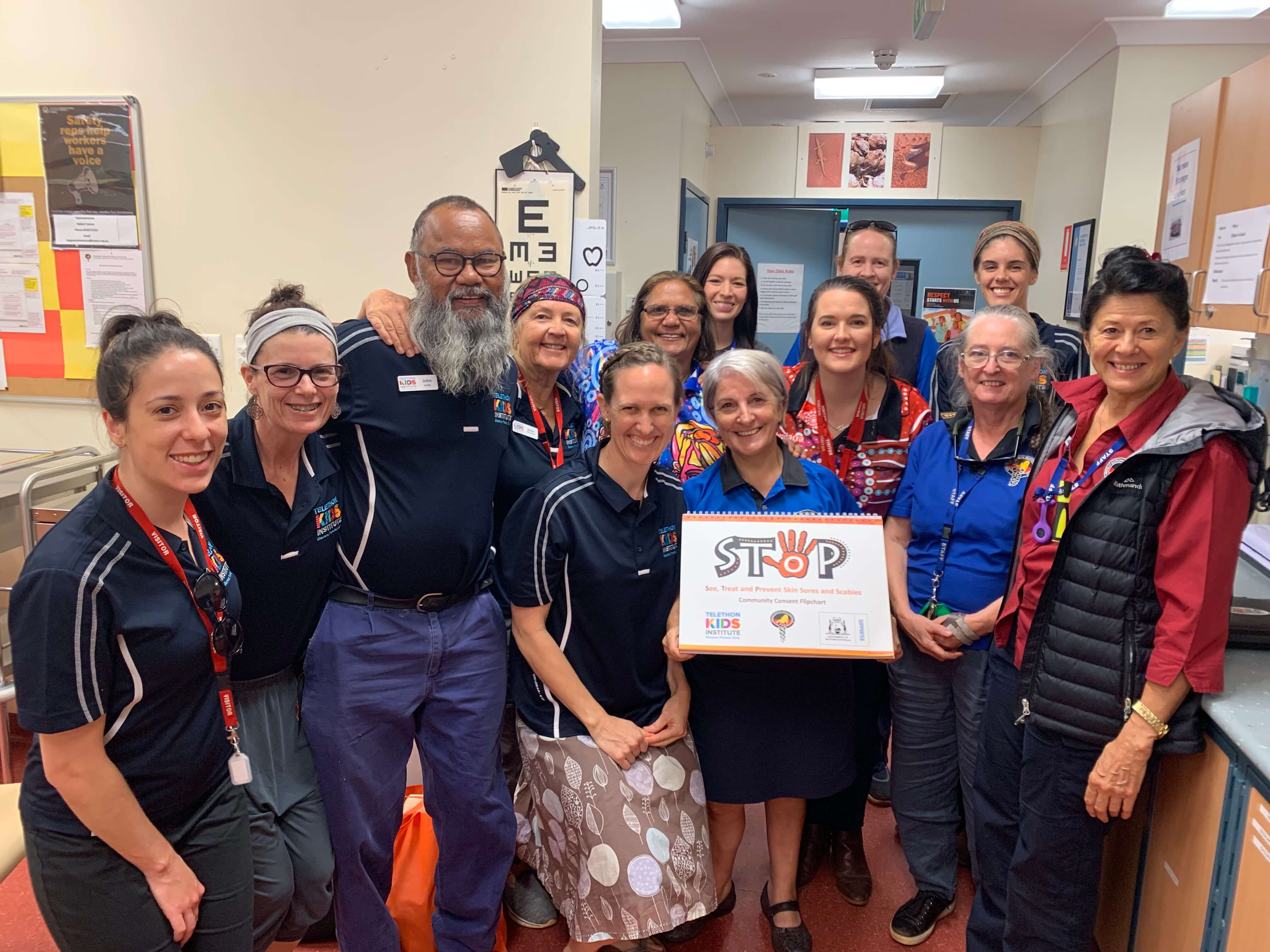
Skin InfectionsOur skin, the body’s largest organ, protects us and maintains overall health. Untreated recurring skin infections like impetigo and scabies severely impact children. The Kids is at the forefront of combatting skin infections, particularly within remote Aboriginal communities experiencing some of the world’s highest rates.
Research
Calculation of the age of the first infection for skin sores and scabies in five remote communities in northern AustraliaPrevalence of skin sores and scabies in remote Australian Aboriginal communities remains unacceptably high, with Group A Streptococcus (GAS) the dominant pathogen. We aim to better understand the drivers of GAS transmission using mathematical models.
Research
Formative evaluation of a community-based approach to reduce the incidence of Strep A infections and acute rheumatic feverWe explore the acceptability of a novel, outreached-based approach to improve primary and primordial prevention of Strep A skin sores, sore throats and acute rheumatic fever in remote Aboriginal communities. A comprehensive prevention program delivered by trained Aboriginal Community Workers was evaluated using approximately fortnightly household surveys about health and housing and clinical records.
Research
Costs of mass drug administration for scabies in FijiIn 2019, the Murdoch Children's Research Institute in partnership with the Fiji Ministry of Health and Medical Services carried out an integrated mass drug administration (MDA) for the treatment of scabies and lymphatic filariasis in the Northern Division of Fiji. We conducted a retrospective micro-costing exercise focused on the cost of scabies control in order to inform budgeting and policy decision making in an endemic setting.
Research
A blueprint for a multi-disease, multi-domain Bayesian adaptive platform trial incorporating adult and paediatric subgroups: the Staphylococcus aureus Network Adaptive Platform trialThe Staphylococcus aureus Network Adaptive Platform (SNAP) trial is a multifactorial Bayesian adaptive platform trial that aims to improve the way that S. aureus bloodstream infection, a globally common and severe infectious disease, is treated. In a world first, the SNAP trial will simultaneously investigate the effects of multiple intervention modalities within multiple groups of participants with different forms of S. aureus bloodstream infection.
Research
The Koolungar Moorditj Healthy Skin Project: Elder and Community Led Resources Strengthen Aboriginal Voice for Skin HealthIn partnership with local Aboriginal Community Controlled Health Organisations, the Elder-led co-designed Koolungar Moorditj Healthy Skin project is guided by principles of reciprocity, capacity building, respect, and community involvement. Through this work, the team of Elders, community members, clinicians and research staff have gained insight into the skin health needs of urban-living Aboriginal koolungar (children); and having identified a lack of targeted and culturally appropriate health literacy and health promotion resources on moorditj (strong) skin, prioritised development of community-created healthy skin resources.
Research
Evaluating the role of asymptomatic throat carriage of Streptococcus pyogenes in impetigo transmission in remote Aboriginal communities in Northern Territory, Australia: a retrospective genomic analysisStreptococcus pyogenes, or group A Streptococcus (GAS), infections contribute to a high burden of disease in Aboriginal Australians, causing skin infections and immune sequelae such as rheumatic heart disease. Controlling skin infections in these populations has proven difficult, with transmission dynamics being poorly understood. We aimed to identify the relative contributions of impetigo and asymptomatic throat carriage to GAS transmission.
Research
Healthy skin for children and young people with skin of colour starts with clinician knowledge and recognition: a narrative reviewSkin conditions most frequently encountered in paediatric practice include infections, infestations, atopic dermatitis, and acne. Skin of colour refers to skin with increased melanin and darker pigmentation, and reflects global racial and ethnic diversity. Managing skin conditions in skin of colour requires health equity nuance, which is rarely explicitly taught.