
Search
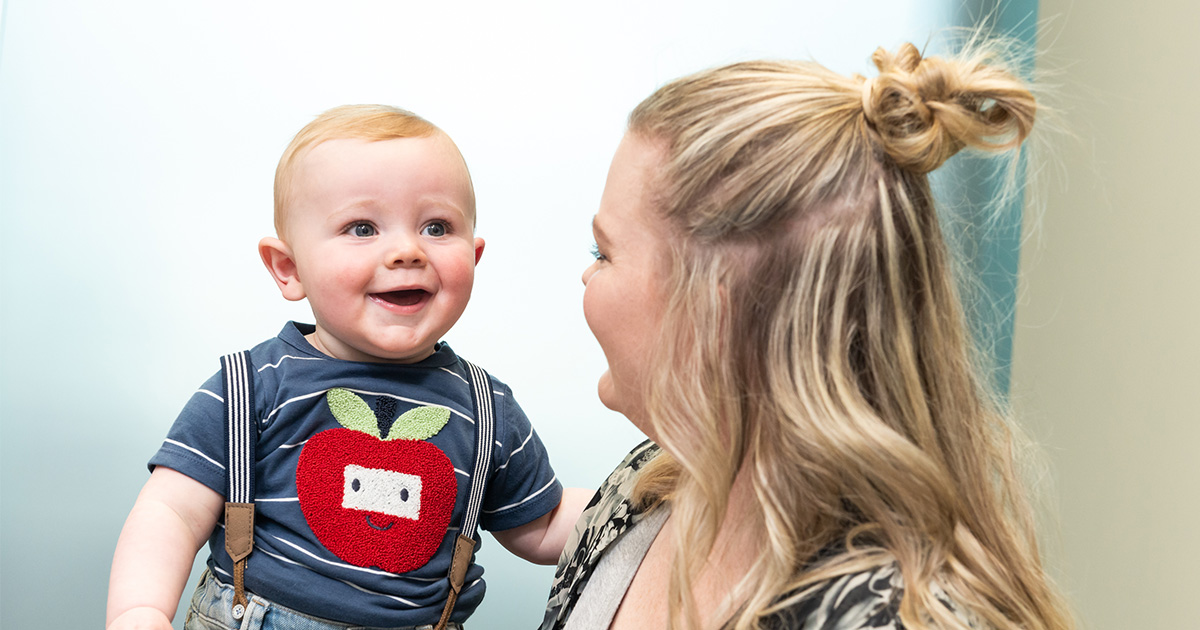
A world-first program for babies with delays in their social and communication skills has been launched in Western Australia, thanks to support from the National Disability Insurance Agency (NDIA).
Early life nutrition is associated with child behaviour; however, the interplay with genetic vulnerability is understudied. We hypothesised that psychiatric genetic risk interacted with early nutrition to predict behavioural problems in childhood and adolescence.
Thyroid hormones affect neurological development and function, but detailed studies of thyroid hormones and metabolites in autism are lacking. The objective was t characterize thyroid function and metabolism in autistic children.
While parenting self-efficacy and broader autism phenotype (BAP) have been linked to caregiver depression, anxiety and stress at specific points in time, their influence on longer-term mental health trajectories remains unknown, especially for caregivers who participate in support programs for their infants with very-early autistic features.
Young children diagnosed with autism experience high rates of co-occurring anxiety, with uncertainty-related concerns commonly reported. This randomized controlled trial investigated an 8-week parent-mediated group anxiety intervention, “Coping with Uncertainty in Everyday Situations” (CUES-Junior©).
Little is known about how or when language and visuospatial processing lateralise in the brain, and if individual differences in lateralisation are related to early language or visuospatial abilities. We explored if patterns of language and visuospatial lateralisation are related to cognitive skills in young children.
A reliable and valid diagnostic classification system is pivotal for guiding clinical decision-making, facilitating rigorous and reproducible research findings, informing population-level health planning and resource allocation, and promoting well-being.
The heterogeneity of autism spectrum disorder clinically and aetiologically hinders intervention matching and prediction of outcomes. This study investigated if the behavioural, sensory, and perinatal factor profiles of autistic children could be used to identify distinct subgroups. Participants on the autism spectrum aged 2 to 17 years and their families were sourced via the Australian Autism Biobank.
Manifestations of insistence on sameness and circumscribed interests are complex, with individuals varying considerably, not only in the types of behaviours they express, but also in terms of a behaviour's frequency, intensity, trajectory, adaptive benefits, and impacts.

In this new blog, Speech Pathology Lead Aria May explains how bathtime is a great opportunity to support social communication with your child.