
Search
Maternal influenza and pertussis vaccination is an important strategy to reduce morbidity and mortality in infants. Previous vaccine safety studies have mostly focused on the association between maternal vaccination and fetal death.
Invasive mould infection (IMI) is a major cause of morbidity and mortality in immunocompromised children. Outcomes for paediatric patients with IMI remain poor, due in part to the limitations of available diagnostic tools and therapeutic agents.
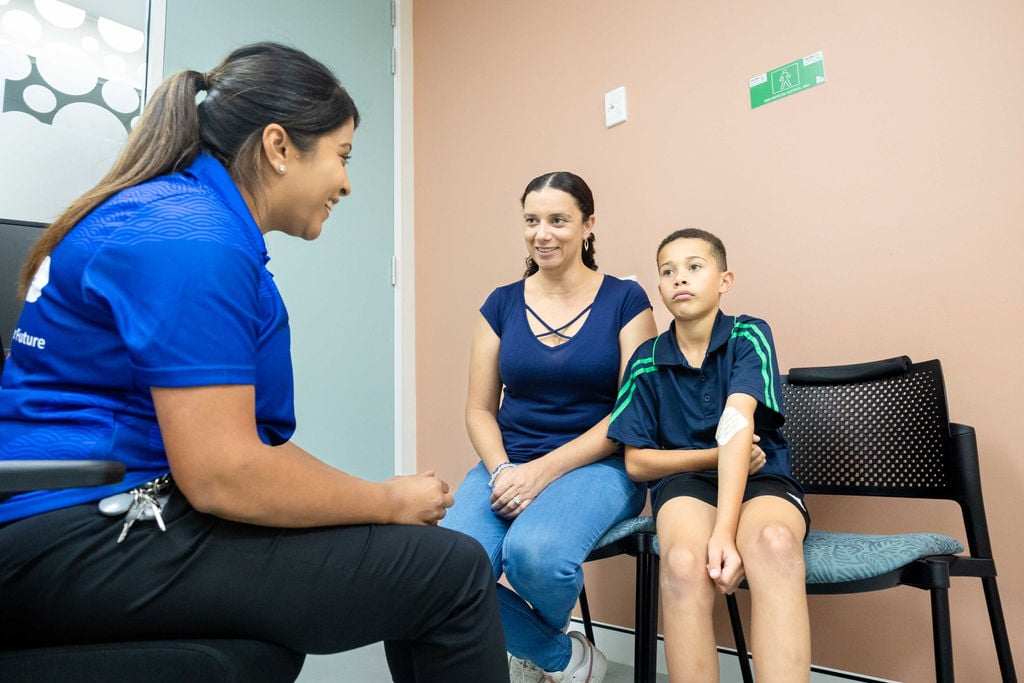
Rates of several vaccine preventable diseases, and associated hospitalisation, are higher among Aboriginal and/or Torres Strait Islander children than non-Indigenous children. Western Australia has among the lowest childhood vaccine coverage in Australia, particularly among Aboriginal and/or Torres Strait Islander children. Delayed vaccination is also more common in this population. This project aimed to understand the barriers and facilitators to vaccine uptake and timeliness among Aboriginal and/or Torres Strait Islander children aged under five years in Boorloo (Perth).
Staphylococcus aureus bacteremia (SAB) is the most common cause of childhood sepsis contributing to pediatric intensive care unit admission. The cost of adult SAB hospitalization is well described globally, but limited costing information is available for children. To bridge this knowledge gap, we investigated the cost of hospitalization in children with SAB in Australia.
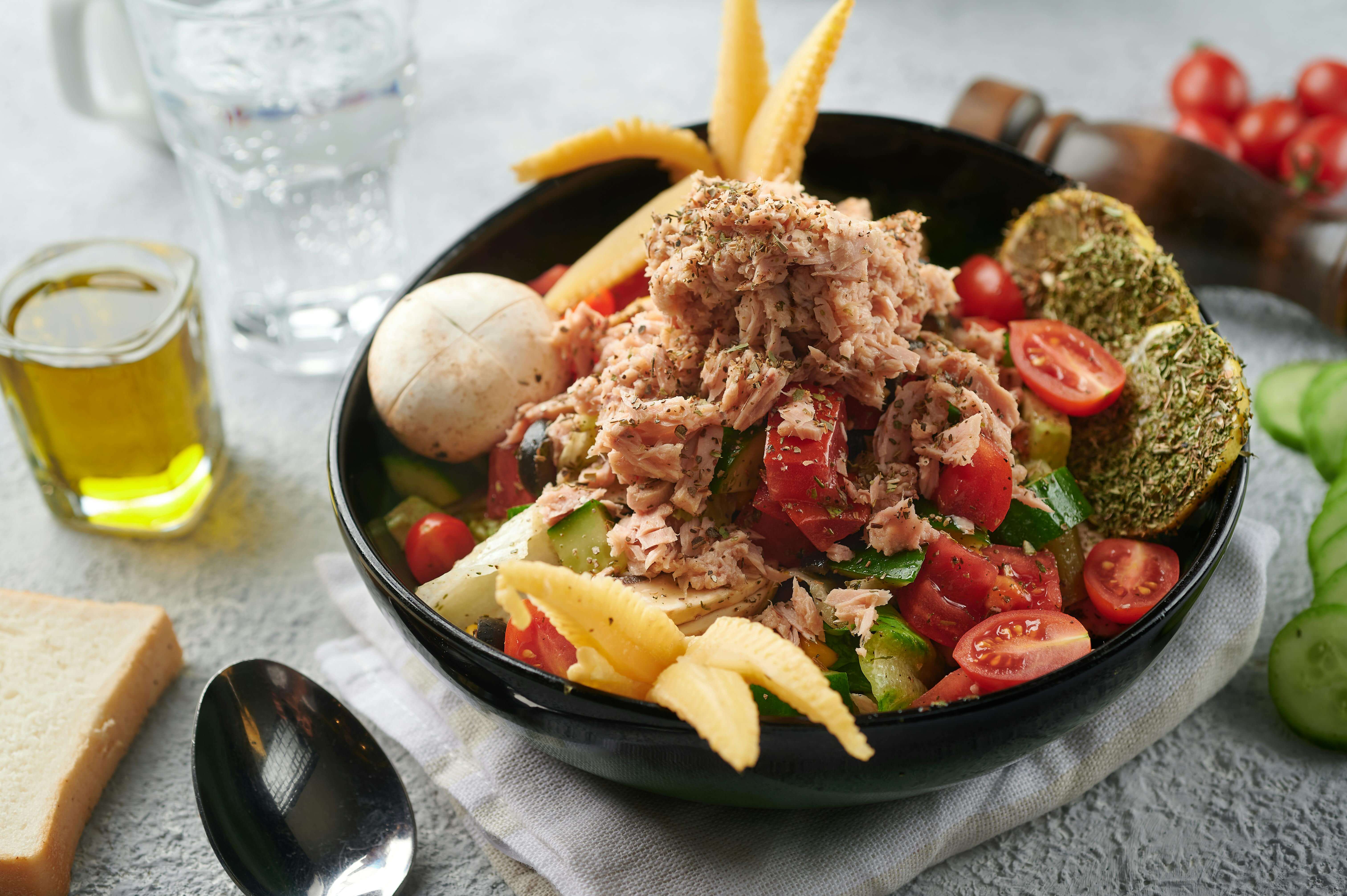
This study aims to examine how a Mediterranean diet and exercise in pregnancy impacts on neonatal body fat composition at birth and weight at one year of age.
Publications, papers and findings coming out of ORIGINS and its sub-projects
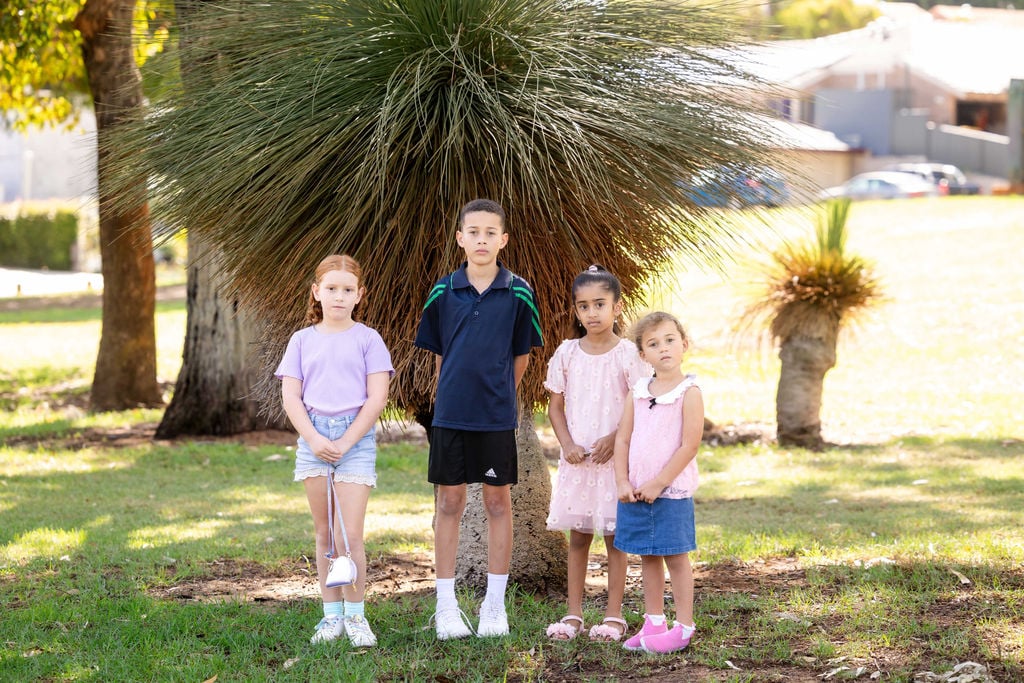
Positive mental health, flourishing, and resilience to stress are not only critical to the overall wellbeing of a person but also their physical health, affecting both chronic and acute health conditions
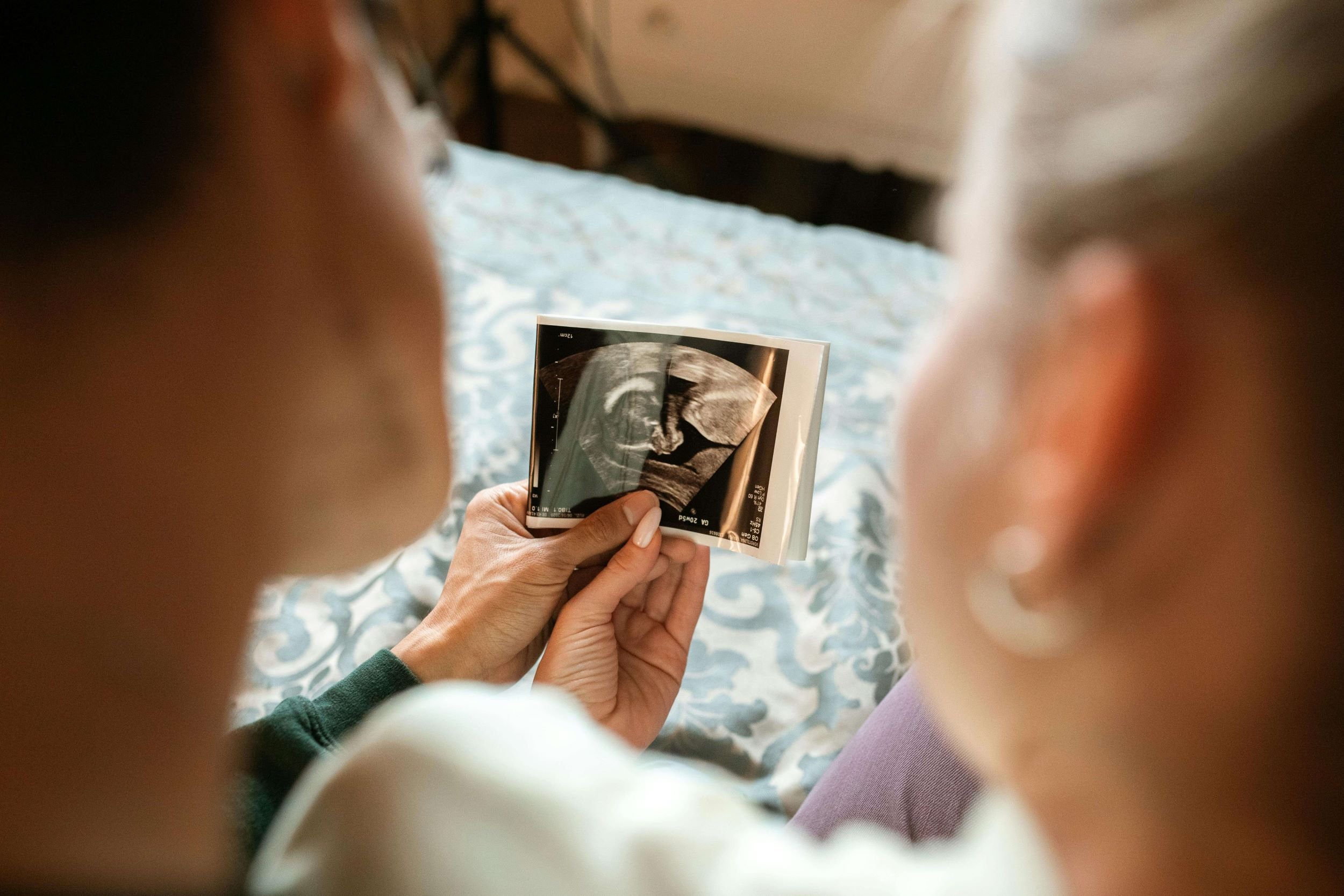
This research aims to examine subfertility in a population pregnancy cohort, analysing the underlying differences between sub fertile couples who conceive naturally, sub fertile couples who conceive using ART or non-IVF, and fertile couples.
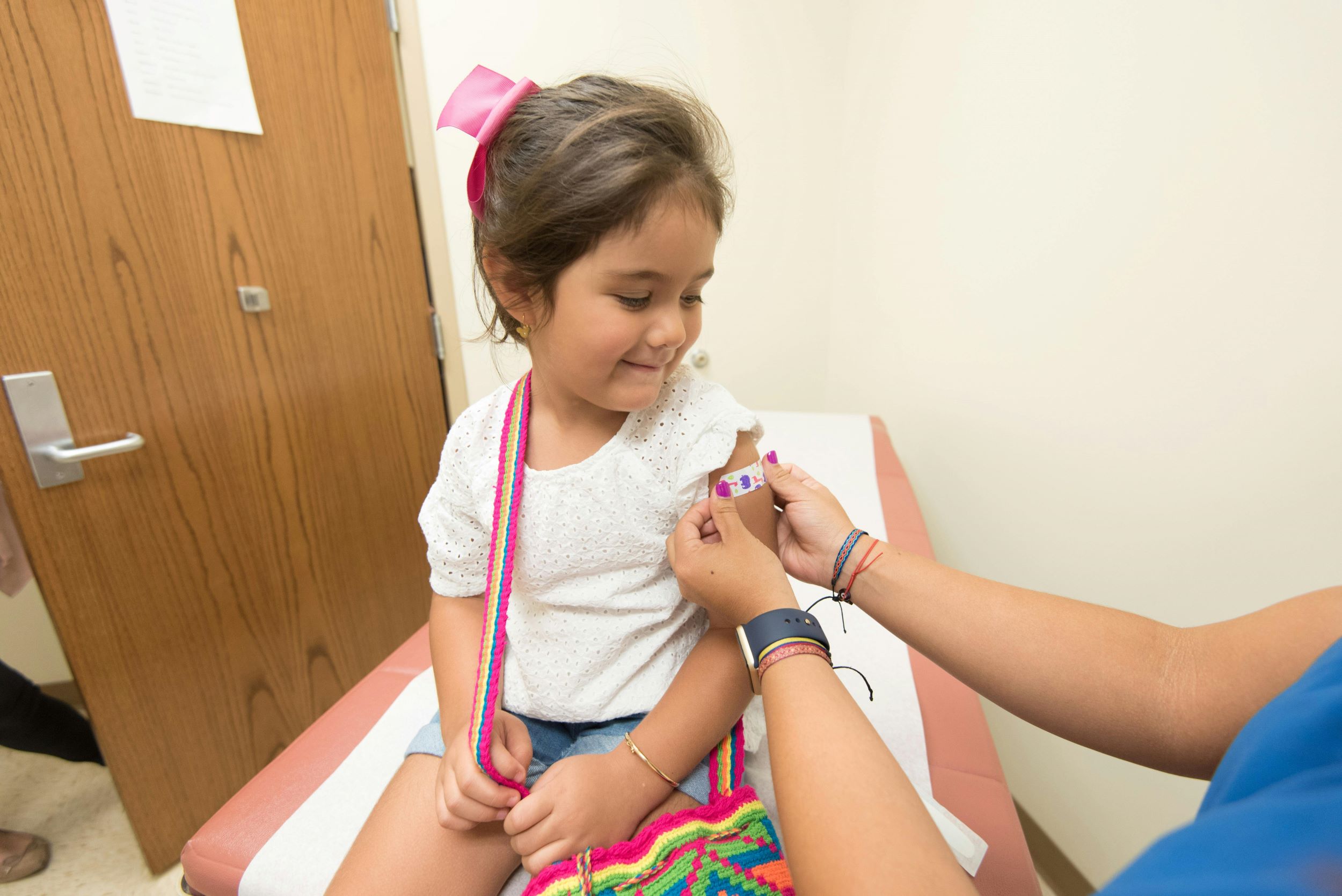
Exploring whether urinary ferritin can be used as an alternative biomarker for measuring iron status in young children over blood draws.
ORIGINS has several sub-projects exploring allergy development within the cohort, with a focus on respiratory conditions such as asthma and nutritional strategies for allergy prevention.