Skip to content

Search

The bonus feature giving ORIGINS participants a head start on health issues

The ORIGINS Project, a collaboration between The Kids and Joondalup Health Campus, is collecting data and biological samples from 10,000 families over 10 years. Its work is also giving participating families a valuable heads up on health issues.

Researchers receive crucial near miss funding

Congratulations to three outstanding The Kids Research Institute Australia researchers who have received second chance WA health funding designed to support researchers who have narrowly missed out on highly competitive national funding.

Trajectories of prematurity-associated lung disease: lifelong lung health

Preterm birth is increasingly recognised as adversely influencing lifelong lung function. This Series paper on prematurity-associated lung disease reviews studies reporting longitudinal lung function measurements in individuals who were born preterm. Evidence suggests that preterm birth alters lung function trajectories from early life onwards, with implications for future respiratory morbidity. We propose that this population needs rigorous follow up that should include systematic monitoring of lung function across the lifespan, starting in childhood.

‘How I cook with no kitchen’: An investigation of how #microapartment kitchens are depicted on TikTok

Physical constraints of small apartment kitchens and the influence of the surrounding community food environment may impact food practices of apartment residents. Social media portrayal of these features may influence public perception of apartment living.

Ontogeny of plasma cytokine and chemokine concentrations across the first four months of human life in a Papua new Guinean cohort

Dynamic molecular changes in early life follow a robust ontogeny as the infant immune system adapts to the demands of its new environment. Studies of plasma immunomodulatory cytokines and chemokines have previously demonstrated ontogenetic patterns of immune development across the first week of life. However, how plasma cytokine and chemokines concentrations evolve over the first 4 months of life remains unknown. 

Proteomics confirms immune stabilizing effects of narrowband UVB treatment in patients with clinically isolated syndrome and multiple sclerosis

Multiple sclerosis (MS) demonstrates a latitude gradient in prevalence and severity, implicating ultraviolet B (UVB) exposure and photoimmune mechanisms in disease risk and progression. While narrowband (NB)-UVB phototherapy has long stabilized inflammation in dermatology, its systemic immunomodulatory effects in MS remain incompletely defined.

Cochlear implantation in children under 12 months of age: surgical outcomes and considerations—a Western Australian perspective

The introduction of universal newborn hearing screening has allowed for early identification and diagnosis of children with severe-profound hearing loss. This study aims to provide the first Western Australian perspective on the surgical feasibility and safety of cochlear implantation before 12 months of age.

Kids cancer champion nominated for WA Australian of the Year

Dr Nick Gottardo, Co-Head of The Kids Research Institute Australia's Brain Tumour Research Team, has been announced a nominee for the 2018 WA Australian of the Year Award

Innate epithelial and functional differences in airway epithelium of children with acute wheeze

Early childhood wheeze is a major risk factor for asthma. However, not all children who wheeze will develop the disease. The airway epithelium has been shown to be involved in asthma pathogenesis. Despite this, the airway epithelium of children with acute wheeze remains poorly characterized.

Beneficial health effects of ultraviolet radiation: expert review and conference report

Carcinogenic effects of ultraviolet radiation (UVR) with reference to skin cancer are the basis of widely implemented recommendations to avoid sun exposure. Whether the benefits of "restrictive sun policies" outweigh their potential harms due to diminished beneficial effects of sunlight exposure remain a matter of controversy.  

BEAT-CF (Bayesian Evidence Adaptive Treatment for people with Cystic Fibrosis): description of a prospective cohort for nested studies in cystic fibrosis

Despite recent improvements in treatment modalities for cystic fibrosis (CF), there is currently limited evidence and a lack of consensus regarding optimal treatment strategies for the different aspects of CF, including pulmonary exacerbations (PEx). We aimed to establish a prospective cohort of people with CF (pwCF) to evaluate alternative approaches to managing CF in the era of modulator therapies.

Finding new treatments for rare brain cancers in infants

The WA Kids Cancer Centre has secured $1.1 million in funding from the Medical Research Future Fund’s (MRFF) Paediatric Brain Cancer Research Stream 2 to develop more effective and less toxic treatments for rare brain cancers in infants.

Type-2 diabetes epigenetic biomarkers: present status and future directions for global and Indigenous health

Type-2 diabetes is a systemic condition with rising global prevalence, disproportionately affecting Indigenous communities worldwide. Recent advances in epigenomics methods, particularly in DNA methylation detection, have enabled the discovery of associations between epigenetic changes and Type-2 diabetes. In this review, we summarise DNA methylation profiling methods, and discuss how these technologies can facilitate the discovery of epigenomic biomarkers for Type-2 diabetes. 

Children's Cancers

Cancers in children are very different from cancers in adults - in most cases they appear to strike simply at random. They also develop differently and can spread more rapidly and aggressively. And because cancers in children are not obviously linked to their lifestyles, much work is needed to pinpoint their cause.

Rapid diagnosis for childhood brain cancer in WA

The Kids Research Institute Australia's Brain Tumour Research team will develop and implement cutting-edge technologies to revolutionise the speed of brain cancer diagnosis for WA children, thanks to more than $200,000 from Telethon.

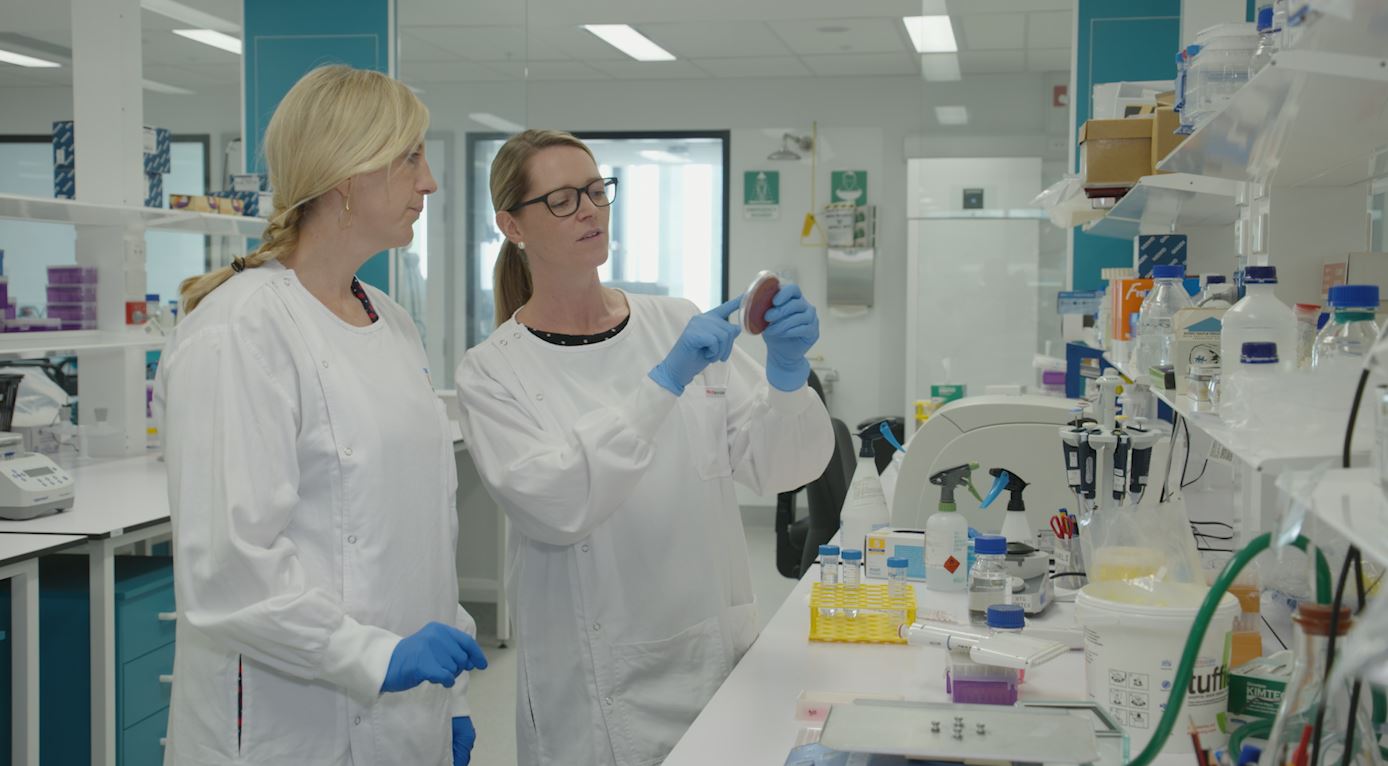
Inside the lab: children’s brain tumour research in WA

At The Kids Research Institute Australia, our Brain Tumour Research team is leading the charge to change the story for children diagnosed with brain cancer by working on safer, more effective treatments.

Researcher to run 30 marathons in 30 days for kids with brain cancer

On Monday 1 September, childhood cancer researcher Jacob Byrne is lacing up his running shoes and taking the first steps of an extraordinary challenge: 30 marathons in 30 days across Perth.