
Search
It is known that the bacterial gut microbiome is altered in inflammatory bowel disease (IBD), but far less is known about the role of eukaryotic microorganisms in IBD.
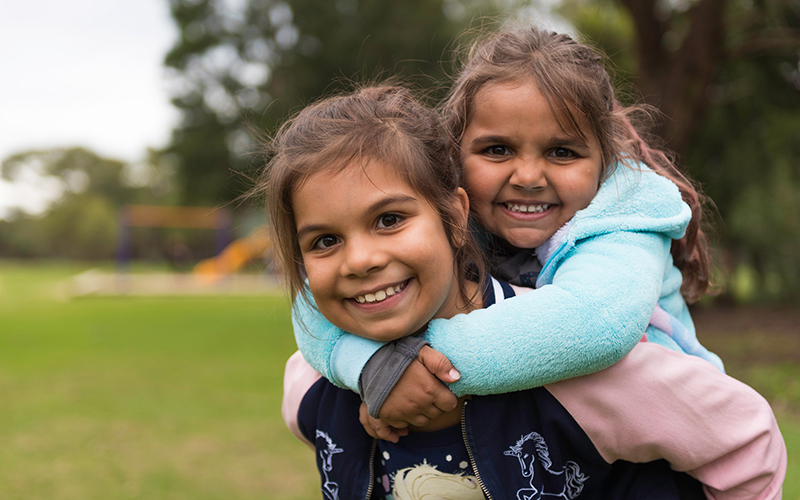
A new national network will be established to advance the benefits from Genomic Medicine for Aboriginal and Torres Strait Islander people living in Australia.
The Model of Care supports the health of women and their babies with cardiometabolic complications of pregnancy and aids in the prevention and management of cardiometabolic disease in the short and long-term. It was co-designed by Aboriginal women with lived experiences of cardiometabolic complications in pregnancy.
To test the utility and acceptability of a novel VR training tool for community health practitioners in assessing diabetes-related foot disease in Aboriginal and Torres Strait Islander people.
Our goal was to explore and compare risk factors, patterns of management and survival outcomes in Indigenous compared with non-Indigenous Australian patients using the Victorian Lung Cancer Registry.
Indigenous communities are under-represented in genomics research, contributing to inequitable health-related knowledge, outcomes, and benefits. Under-representation reflects enduring consequences of colonial research practices that have engendered cultural, ethical, legal, and social (CELS) concerns among communities.
Despite significant improvements in pediatric cancer survival outcomes, there remain glaring disparities in under-represented racial and ethnic groups that warrant mitigation by the scientific and clinical community. To address and work towards eliminating such disparities, the Pacific Pediatric Neuro-Oncology Consortium (PNOC) and Children's Brain Tumor Network (CBTN) established a Diversity, Equity, and Inclusion (DEI) working group in 2020. The DEI working group is dedicated to improving access to care for all pediatric patients with central nervous system (CNS) tumors, broadening diversity within the research community, and providing sustainable data-driven solutions.
Aboriginal and Torres Strait Islander (Aboriginal) people in South Australia are overburdened by cardiovascular disease, diabetes and cancer. The South Australian Aboriginal Chronic Disease Consortium (Consortium) was established in June 2017 as a collaborative partnership to lead the implementation of three state-wide chronic disease plans using a strategic approach to identifying key priority areas for action.
Hematological disorders are often treated with blood transfusions. Many blood group antigens and variants are population-specific, and for patients with rare blood types, extensive donor screening is required to find suitable matches for transfusion. There is a scarcity of knowledge regarding blood group variants in Aboriginal Australian populations, despite a higher need for transfusion due to the higher prevalence of renal diseases and anemia.
The dual-factor model of mental health proposes that high wellbeing and low distress are necessary to define mental health. This study used latent profile analysis to identify mental health profiles in a sample of 3,587 Australian grade 6 students and explored the association between mental health profiles and school outcomes measured in grades 7 and 9.