
Search
Sibling profiles, including sibling status (only-child or sibling) and sibling characteristics (sibling size, birth order, and sex), can impact on lived experiences and social interactions, and operate as protective or risk factors for a wide range of health and well-being indicators and outcomes. Using population-based data linkage to disability-specific databases, sibling profiles were compared between families of children with and without neurodevelopmental conditions.
Approximately 8% of all children experience developmental and mental health conditions. Similarities in characteristics across neurodevelopmental conditions-such as difficulties in communication and language, social interaction, motor coordination, attention, activity regulation, behavior, mood, and sleep-make it challenging to attribute these characteristics exclusively to specific diagnoses and assessments. The purpose of this study was to identify symptomatic domains across neurodevelopmental conditions in children and to explore dimension reduction for transdiagnostic assessment.
Attention-Deficit/Hyperactivity Disorder (ADHD)/Hyperkinetic Disorder (HD) is linked to increased risks of morbidity, comorbidity and mortality, with higher prevalence in clinical populations. The differential prevalence of ADHD/HD across adult and pediatric clinical populations, influenced by factors such as time trends, sex, age, geographic regions, and comorbidities, has not been systematically assessed.
With advances in perinatal care, we have achieved major reductions in mortality in premature and critically ill infants, but they still remain at increased risk of neurodevelopmental disability. In this context, recent advances in neuroimaging are perceived as an addition of significant value to current clinical developmental screening programs.
The number of words children produce (expressive vocabulary) and understand (receptive vocabulary) changes rapidly during early development, partially due to genetic factors. Here, we performed a meta-genome-wide association study of vocabulary acquisition and investigated polygenic overlap with literacy, cognition, developmental phenotypes, and neurodevelopmental conditions, including attention-deficit/hyperactivity disorder.
In multi-cohort consortia, the problem often arises that a phenotype is measured using different questionnaires. This study aimed to harmonize scores based on the Child Behaviour Check List (CBCL) and the Strength and Difficulties Questionnaire (SDQ) for anxiety/depression and ADHD.
Iron deficiency may play a role in the pathophysiology of Attention Deficit/Hyperactivity Disorder (ADHD). Due to its preponderant function in monoamine catecholamine and myelin synthesis, brain iron concentration may be of primary interest in the investigation of iron dysregulation in ADHD.
This study aimed to understand how parents describe the most challenging behaviors exhibited by their children diagnosed with autism and/or ADHD, how those behaviours impact their family, and whether challenges are directly related to the core characteristics of these conditions.
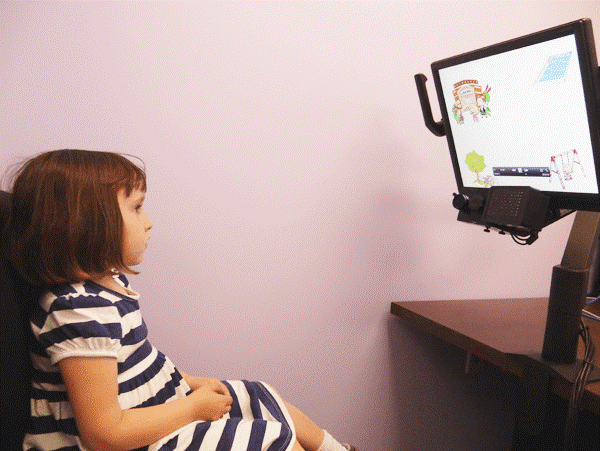
The Kids is trialling a new tool for earlier and easier screening of FASD and ADHD in children, using cutting-edge eye-tracking technology developed by the Kids Brain Health Network in Canada.

A study by The Kids Research Institute Australia has found children with Attention Deficit Hyperactivity Disorder (ADHD) have significantly worse school outcomes.