
Search
The burden of bronchiectasis is disproportionately high in Aboriginal adults, with early mortality. Bronchiectasis precursors, that is, protracted bacterial bronchitis and chronic suppurative lung disease, often commence in early childhood.
Australian First Nations children are at very high risk of early, recurrent, and persistent bacterial otitis media and respiratory tract infection. With the PREVIX randomised controlled trials, we aimed to evaluate the immunogenicity of novel pneumococcal conjugate vaccine (PCV) schedules.
Results from recent clinical studies suggest potential efficacy of immune training (IT)-based approaches for protection against severe lower respiratory tract infections in infants, but underlying mechanisms are unclear.
Respiratory syncytial virus (RSV) is the most common cause of acute lower respiratory infection in young children. We previously estimated that in 2015, 33·1 million episodes of RSV-associated acute lower respiratory infection occurred in children aged 0-60 months, resulting in a total of 118 200 deaths worldwide.
Age-specific definitions for acute respiratory distress syndrome (ARDS) are available, including a specific definition for neonates (the "Montreux definition"). The epidemiology of neonatal ARDS is unknown. The objective of this study was to describe the epidemiology, clinical course, treatment, and outcomes of neonatal ARDS.
Respiratory syncytial virus (RSV) and influenza are important causes of disease in children and adults. In Australia, information on the burden of RSV in adults is particularly limited.
Two RSV immunisations products: a maternal vaccine, Abrysvo, and a long-acting monoclonal antibody, nirsevimab, both designed to prevent RSV illness in infants, have recently become available. Modelling evidence is required to inform how to optimally use these products in immunisation programs to reduce the burden of RSV in young children.
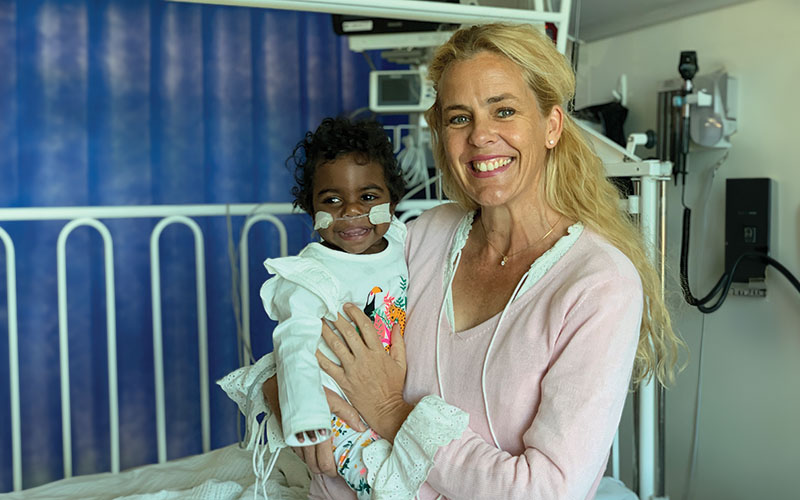
Culturally secure intervention to facilitate medical follow up for Aboriginal children, after being hospitalised with chest infections, have proven to improve long-term lung health outcomes.
Acute lower respiratory tract infection (ALRI) remains a major worldwide cause of childhood mortality, compelling innovation in prevention and treatment. Children in Papua New Guinea (PNG) experience profound morbidity from ALRI caused by Streptococcus pneumoniae. As a result of evolutionary divergence, the human PNG population exhibits profound genetic variation and diversity. To address unmet health needs of children in PNG, we tested whether genetic variants increased ALRI morbidity.
Acute lower respiratory infections (ALRIs) are a major contributor to the global infectious disease burden and a common cause of hospitalisation for children under 2 years. We compared clinical severity in children hospitalised with respiratory syncytial virus (RSV), parainfluenza virus (PIV), human metapneumovirus (hMPV) and influenza virus (IFV).