
Search
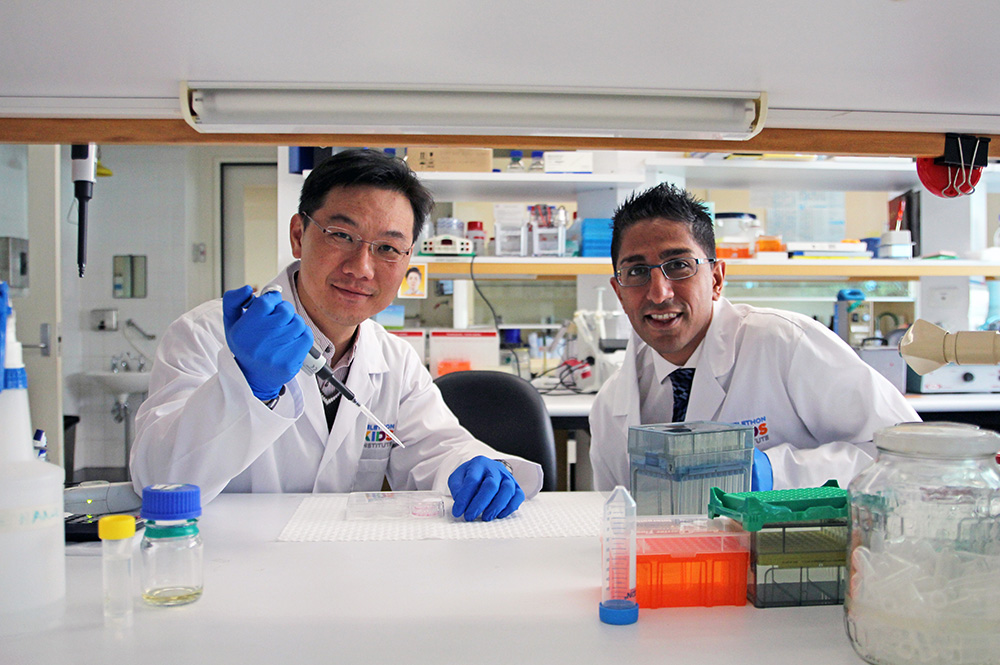
The Kids Research Institute Australia researchers may have unlocked a vital key to reducing the progression of leukaemia in children, potentially prompting a change in thinking around the best way to target treatment.

The WA Kids Cancer Centre brings together clinicians and researchers working together to defeat childhood cancer.
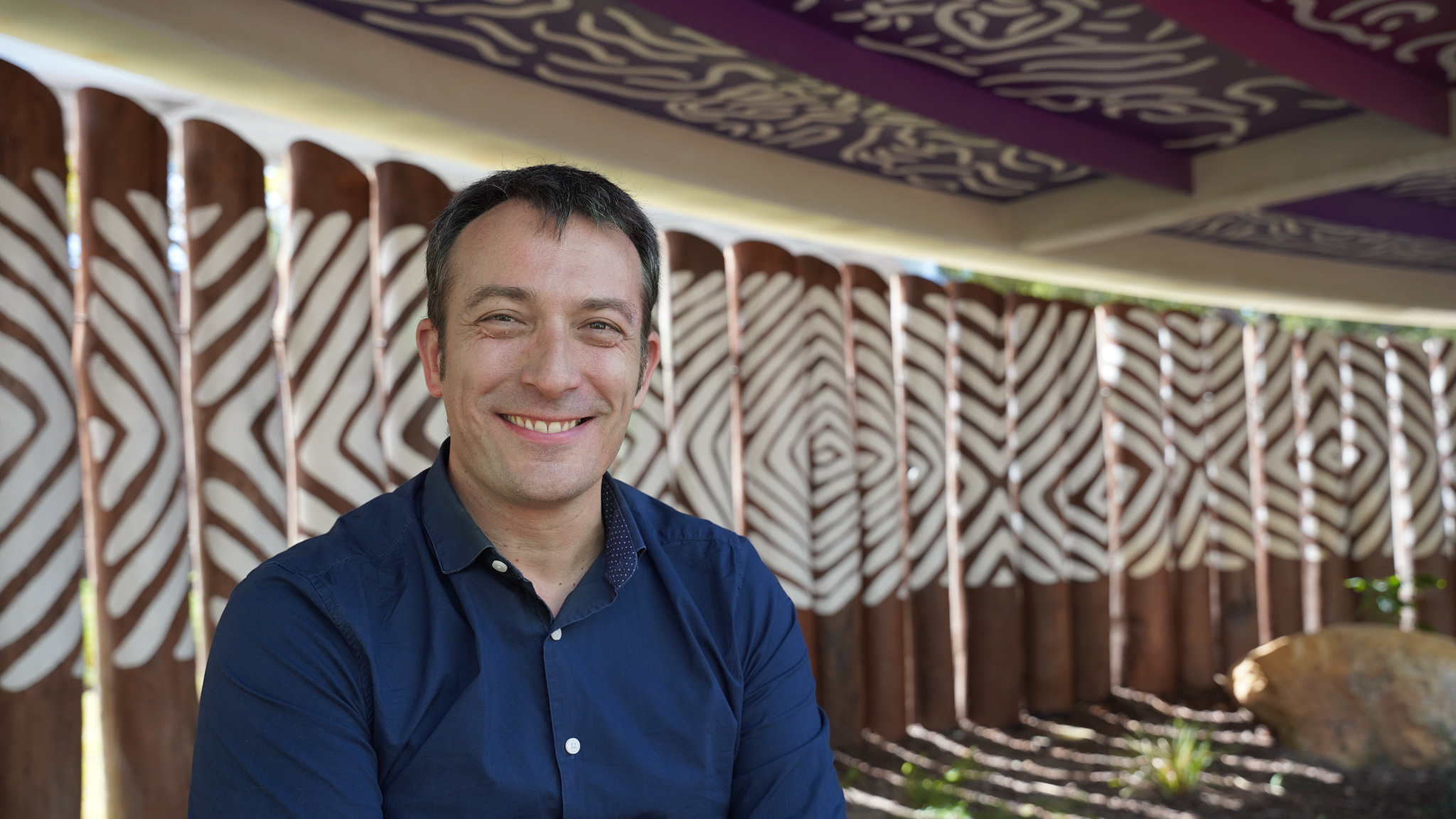
Dr Sébastien Malinge has received a Stan Perron Charitable Foundation Research Fellowship for his pioneering research, which is paving the way for safer, targeted therapies for children with hard-to-treat leukaemia
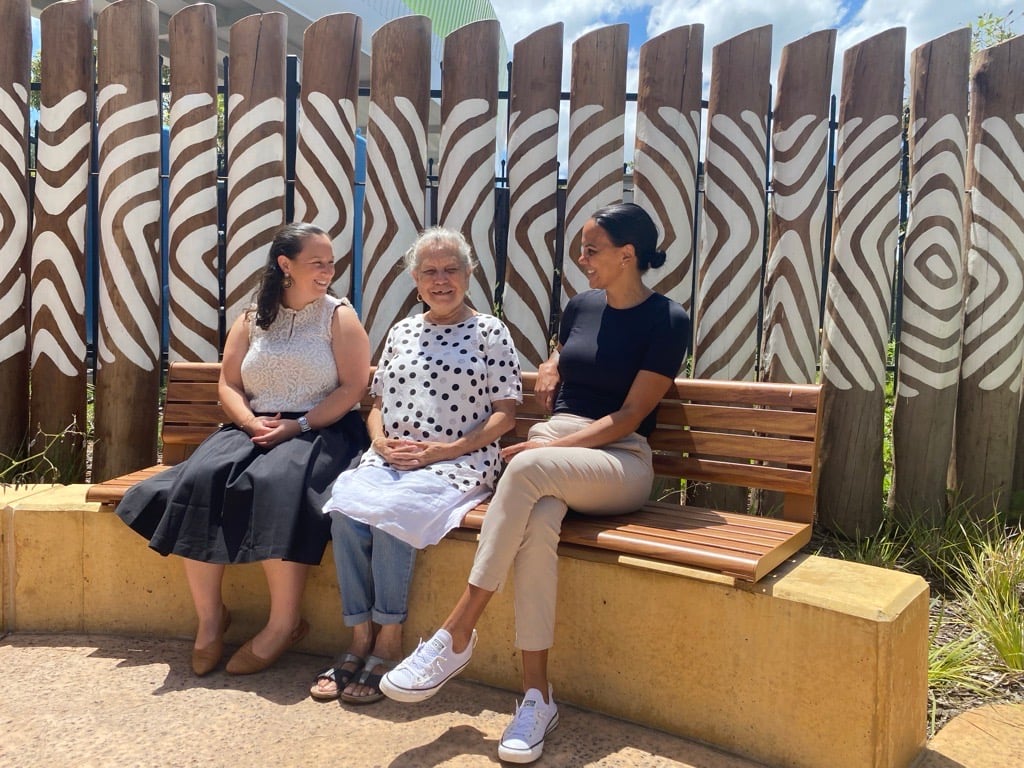
A first of its kind research program at The Kids Research Institute Australia aims to develop new strategies to better treat First Nations children with cancer.
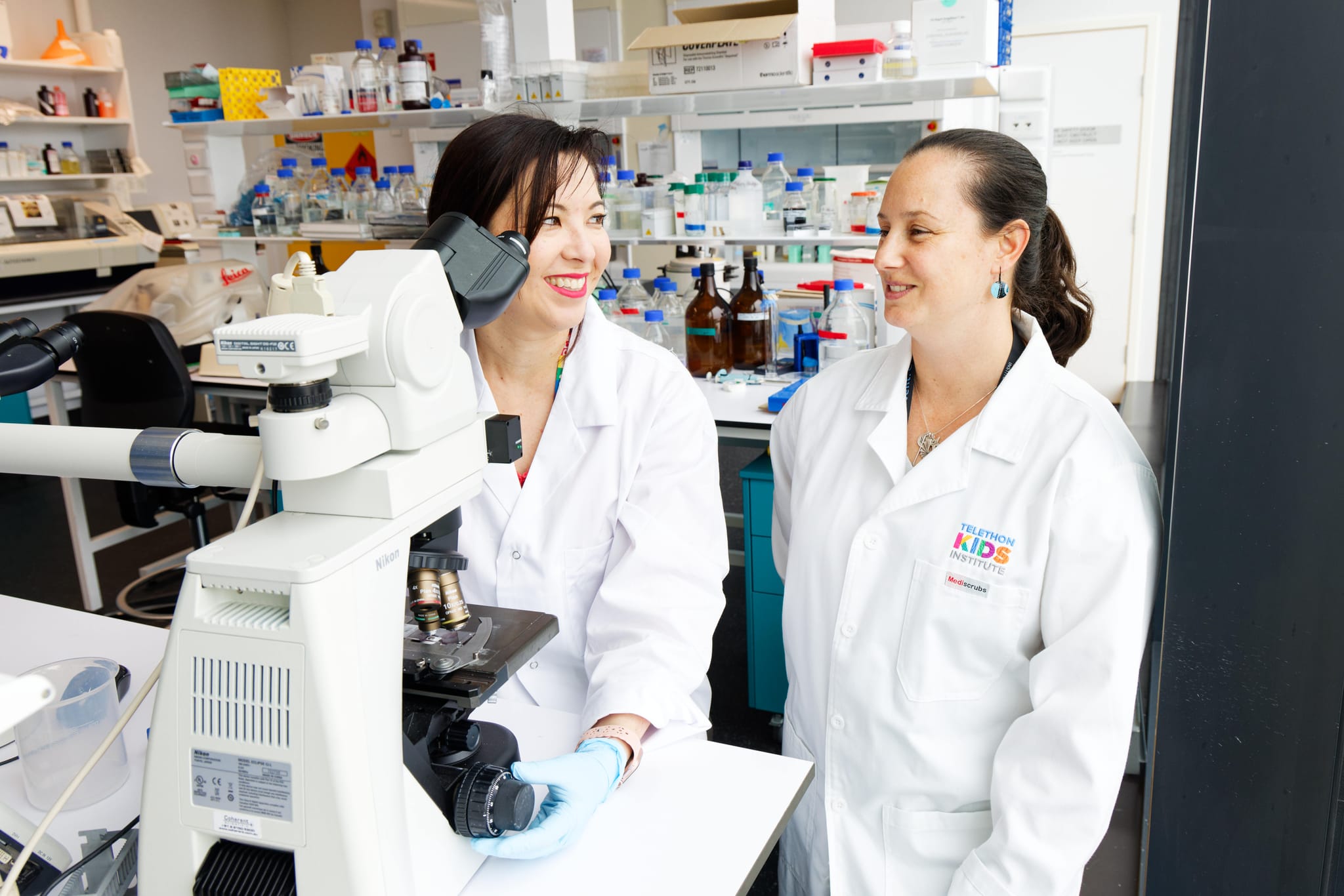
Dr Jessica Buck and Associate Professor Raelene Endersby have been appointed to the prestigious Australian Brain Cancer Mission Expert Advisory Panel.
Intravascular tumor extension is an uncommon complication of solid malignancies that, when present in the inferior vena cava (IVC), can result in fatal pulmonary tumor embolism. Currently, neoadjuvant chemotherapy and surgery are the mainstays of treatment; however, there are no consensus guidelines for management.
B-cell acute lymphoblastic leukaemia (B-ALL) is characterised by diverse genomic alterations, the most frequent being gene fusions detected via transcriptomic analysis (mRNA-seq). Due to its hypervariable nature, gene fusions involving the Immunoglobulin Heavy Chain (IGH) locus can be difficult to detect with standard gene fusion calling algorithms and significant computational resources and analysis times are required. We aimed to optimize a gene fusion calling workflow to achieve best-case sensitivity for IGH gene fusion detection.
Pediatric patients with recurrent and refractory cancers are in most need for new treatments. This study developed patient-derived-xenograft (PDX) models within the European MAPPYACTS cancer precision medicine trial.
Molecular profiling of the tumour immune microenvironment (TIME) has enabled the rational choice of immunotherapies in some adult cancers. In contrast, the TIME of paediatric cancers is relatively unexplored. We speculated that a more refined appreciation of the TIME in childhood cancers, rather than a reliance on commonly used biomarkers such as tumour mutation burden (TMB), neoantigen load and PD-L1 expression, is an essential prerequisite for improved immunotherapies in childhood solid cancers.
Rearrangements of the Mixed Lineage Leukemia (MLL/KMT2A) gene are present in approximately 10% of acute leukemias and characteristically define disease with poor outcome.