
Search
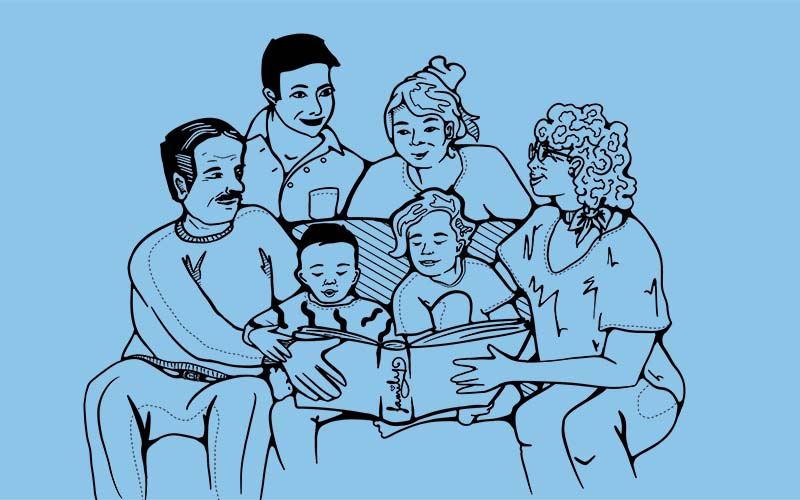
Transforming Families is providing evidence-based resources to help support the mental wellbeing of young people questioning their gender identity, or who identify as trans or gender diverse.

A digital game adapted by researchers is set to deliver engaging, accessible help to prevent depression for trans and gender diverse young people.
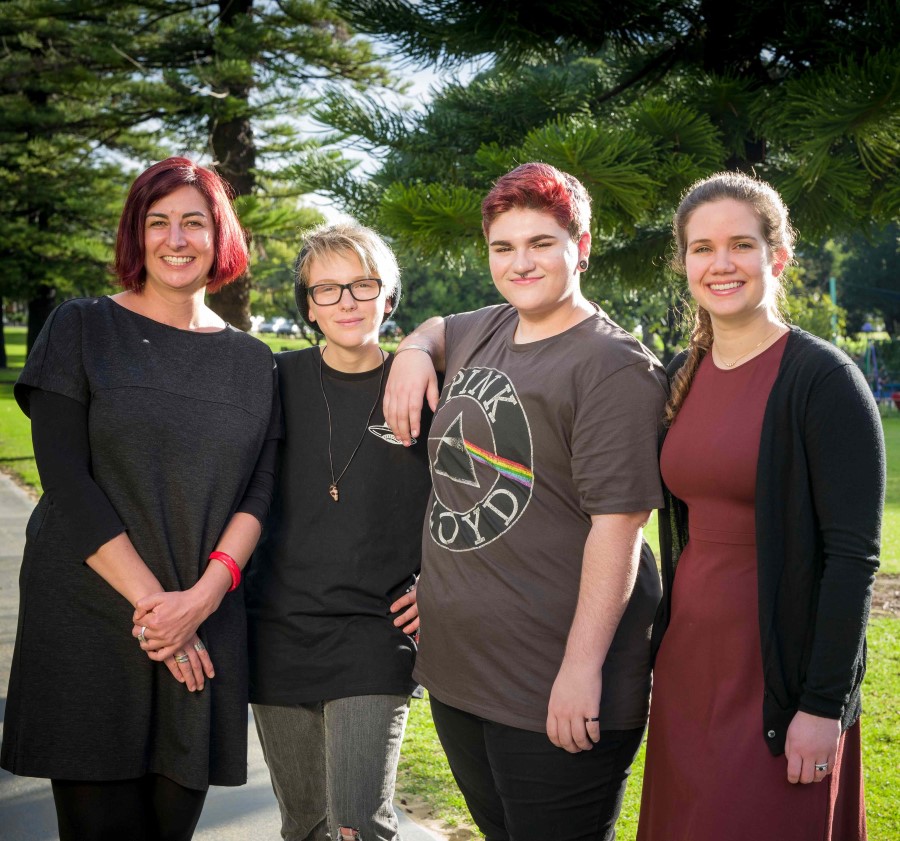
A ground-breaking survey by The Kids researchers has become the new reference point to guide policy change and educate health providers to better support trans and gender-diverse youth in Australia.
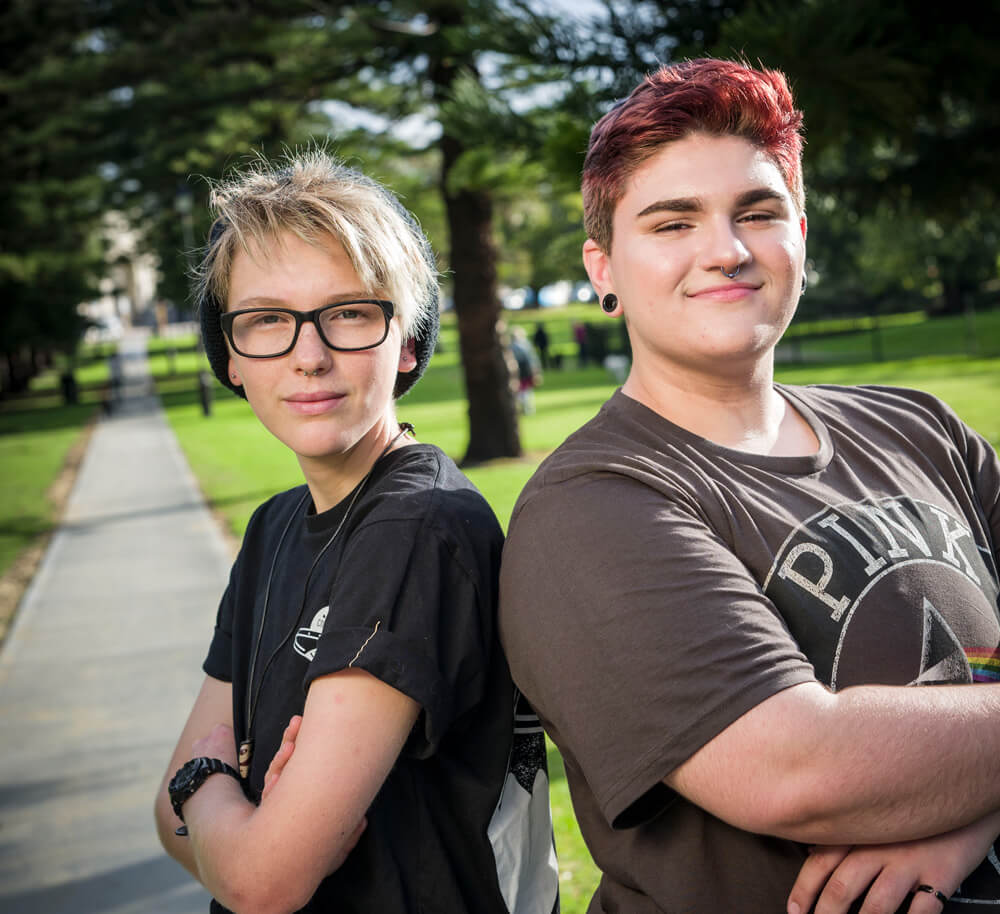
When Trans Pathways ambassador Drew, 17, came out as trans three years ago, the biggest hurdle for him was the availability of services and the time it took to access support.

Raising a child in one gender and then having them identify as another at any stage in their life can be difficult for a parent to understand and is not always an easy shift for a parent to make.
The Kids Research Institute Australia is proud to have been selected in a pilot program to improve the promotion and retention of women and gender minorities in science.
Conversion practices (sometimes referred to as 'conversion therapy') refer to interventions that aim to change a person's sexual orientation or gender identity. While these are often associated with faith-based settings, they can also occur in secular healthcare contexts. The practices are associated with significant psychological harm.
Not all children or teenagers identify with the gender they were assigned at birth. As a result, some may choose to change their name, their clothes or their body. With considerably higher rates of depression, anxiety, self-harm and attempted suicide, the need for specialist mental health services has been recognised.
Measures of autistic traits are only useful – for pre-diagnostic screening, exploring individual differences, and gaining personal insight – if they efficiently and accurately assess autism as currently conceptualised while maintaining psychometric validity across different demographic groups. We recruited 1322 autistic and 1279 non-autistic adults who varied in autism status (non-autistic, diagnosed autistic, self-identifying autistic) and gender (cisgender men, cisgender women, gender diverse) to assess the psychometric properties of the Comprehensive Autistic Trait Inventory, a recently developed measure of autistic traits that examines six trait domains using 42 self-report statements.
A lack of appropriate care and discrimination in healthcare settings likely compounds the existing risks to mental health and well-being for Aboriginal and Torres Strait Islander lesbian, gay, bisexual, trans, queer/questioning, and asexual (LGBTQA+) young people. The current study contributes findings from Aboriginal LGBTQA+ young people's perspectives on their health service needs and preferences.