
Search
Since colonisation in Australia, dominant western narratives have continually undermined the identity of Aboriginal and Torres Strait Islander peoples. Through a lens of subaltern theory, this article explores how Aboriginal children, their families, and their communities are spoken for and about as members of subaltern communities by non-Indigenous foster carers.
Access and adherence to cardiac rehabilitation (CR) remain suboptimal, particularly in rural and remote settings. This study evaluated the implementation of person-centred, evidence-based CR delivery model tailored to improve access and completion.
School time represents a significant component of overall glycaemia for children with type 1 diabetes (T1D), and glucose levels during instructional time may be important for optimising academic progress. There is, however, limited literature regarding glycaemia during school hours. This study aimed to evaluate glucose levels during school in primary school-aged children with T1D in Western Australia (WA) and to compare these with non-school days.
This study explores the complex and multifaceted nature of social media use among young adolescents, drawing on the perspectives of young adolescents, parents and experts. It examines both the benefits and risks of social media and associated implications for adolescent mental health, self-development and social relationships.
Although evidence supports clinicians to "safely do less" for febrile infants assessed as low risk of serious bacterial infection (SBI), early discharge may increase caregiver concern and reduce satisfaction with care. We captured the self-reported satisfaction and concerns for families enrolled in the study of fever, blood cultures and readiness for discharge in infants less than 3 months old (FeBRILe3), a prospective safety assessment of early discharge of low-risk febrile infants, to aid evaluation of this practice.
Vancomycin is used to treat serious gram-positive infections in children; however, effective dosing information for those aged 3 months to 18 years is limited. We aimed to determine an optimized dosing strategy for this age group.
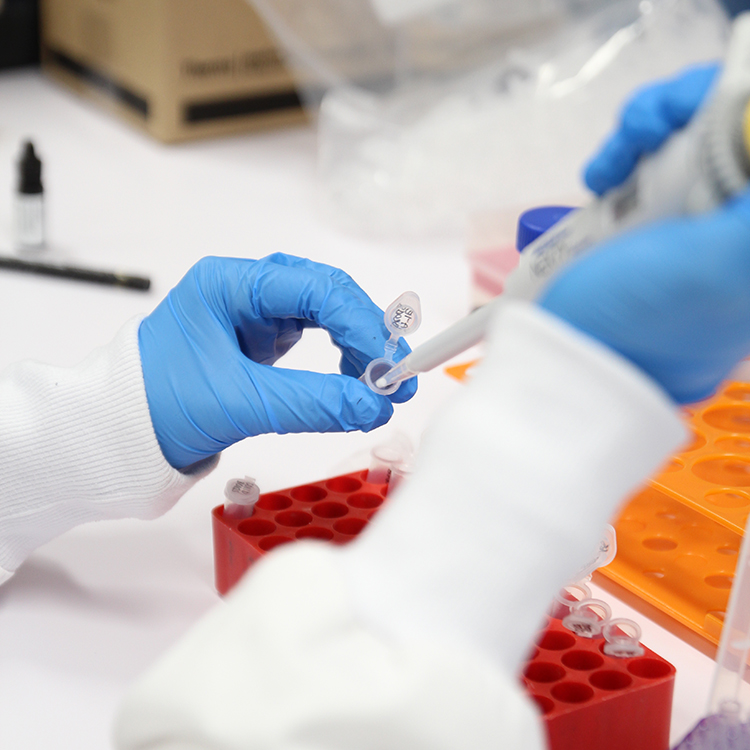
Thanks to 30 years of support from the WA community, The Kids Research Institute Australia is home to some of the world’s best researchers.

Here’s what we know so far about the impact of COVID-19 on children.
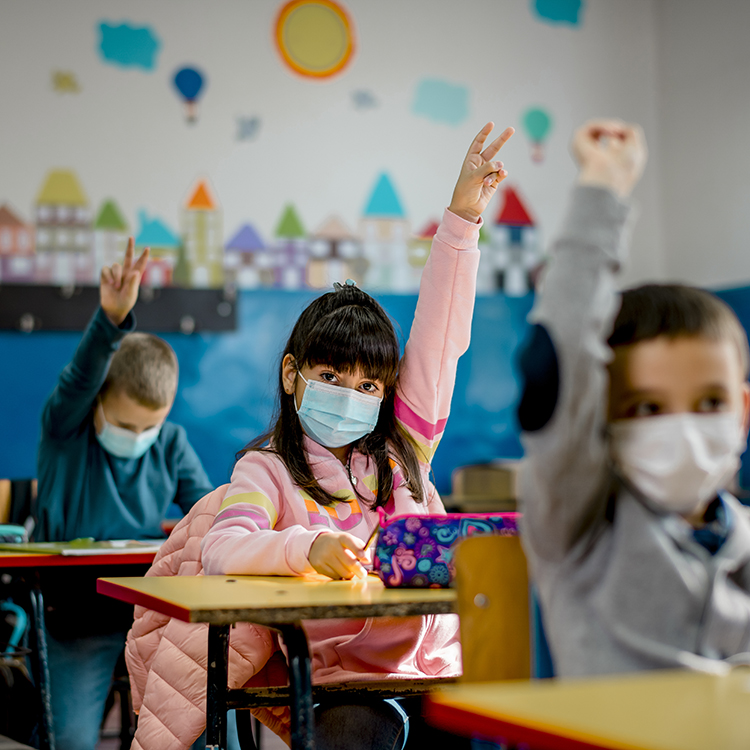
With the number of COVID-19 infections in Western Australia continuing to grow – including confirmed cases in children – The Kids Research Institute Australia understands that our community is growing increasingly worried.
The Kids Research Institute Australia answers all of your questions about vaccines and children