Search
The developmental origins of handedness remain elusive, though very early emergence suggests individual differences manifesting in utero could play an important role. Prenatal testosterone and Vitamin D exposure are considered, yet findings and interpretations remain equivocal.
To identify factors associated with quality of life (QoL) in children with intellectual disability. We aimed to identify patterns of association not observable in previous hypothesis-driven regression modelling using the same data set from a cross-sectional observational study.
To compare quality of life (QOL) across diagnoses associated with intellectual disability, construct QOL profiles and evaluate membership by diagnostic group, function and comorbidities.
To systematically identify and evaluate the measurement properties of patient-reported outcome measures (PROMs) and observer-reported outcome measures (parent proxy report) of pain coping tools that have been used with children and young adults (aged 0–24 years) with a neurodevelopmental disability.
CDKL5 Deficiency Disorder (CDD) is a rare genetic disorder with symptoms of epilepsy, developmental impairments, and other comorbidities. Currently, there are no outcome measures for CDD with comprehensive evidence of validation. This study aimed to evaluate the psychometric properties of the Quality of Life Inventory-Disability (QI-Disability) in CDD. Quality of Life Inventory-Disability was administered to 152 parent caregivers registered with the International CDKL5 Disorder Database (ICDD).
Children with rare diseases experience challenges at home and school and frequently require multi-disciplinary healthcare. We aimed to determine health service utilization by Australian children with rare diseases and barriers to accessing healthcare.
To present a case study of the considerations of mandatory fortification with folic acid in Australia and New Zealand.
Children with congenital heart defects (CHDs) are at higher risk of developing an intellectual disability. However, severity of intellectual disabilities among this group of children are largely unknown. Our objective was to determine the risk of intellectual disability (ID), ID severity, and autism among children with CHDs.
Birk-Landau-Perez syndrome is a genetic disorder caused by biallelic pathogenic variants in SLC30A9 presenting with a complex movement disorder, developmental regression, oculomotor abnormalities, and renal impairment. It has previously been reported in 2 families. We describe the clinical phenotype of 8 further individuals from 4 unrelated families with SLC30A9-related disease.
People with intellectual disability experience a high risk of being neglected and family members are often identified as the perpetrators. Analysing the media provides insight into public narratives about social problems. A search of Australian newspapers published between 2016 and 2021 identified 27 articles that predominately reported on a single case of familial neglect of an individual with intellectual disability.
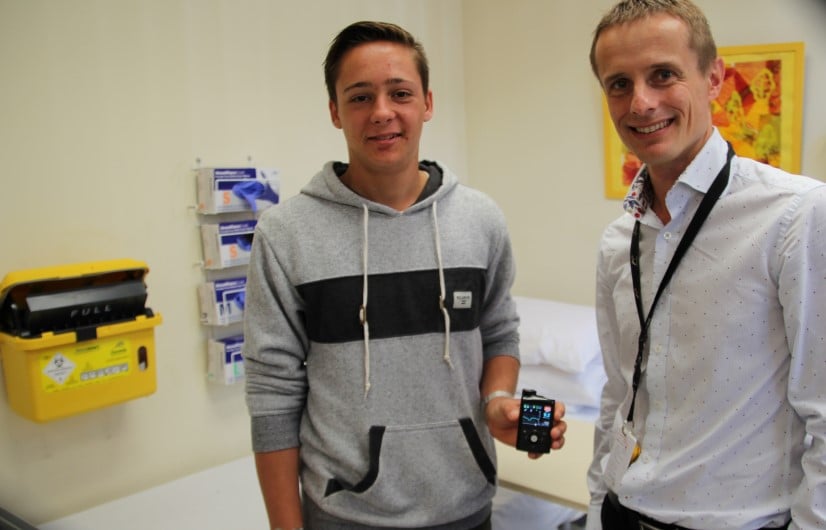
Read about Jake's journey as the first participant recruited to the Hybrid Closed Loop Trial, led by Children's Diabetes Centre, in the Midland Reporter.
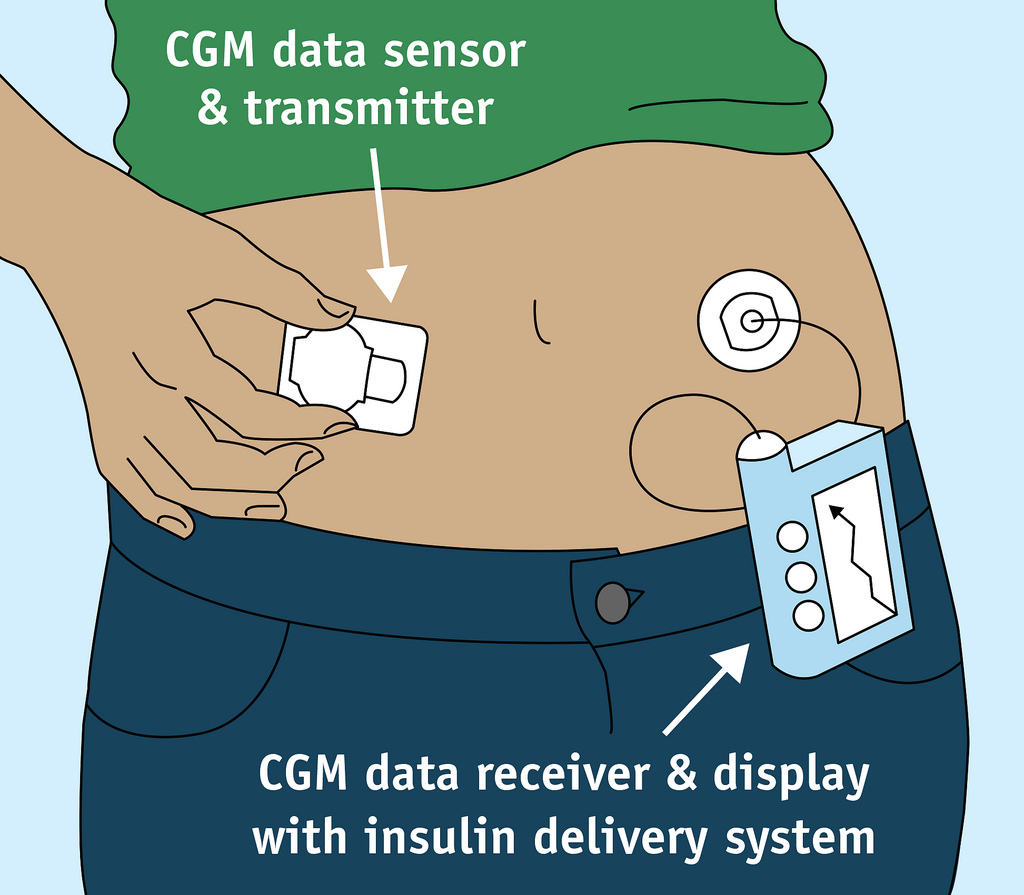
Children with Type 1 Diabetes (aged eight to 12 years) are needed for a new trial into Continuous Glucose Monitoring (CGM) and exercise.

New research led by The Kids' PhD student Matthew Cooper has found that some children with T1D have an increased risk of developing vascular diseases.
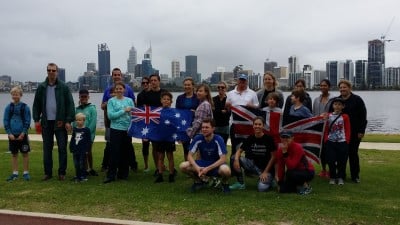
Despite the unseasonal weather, good turnouts were recorded for recent events organised by PMH and Diabetes WA.

London Olympics torchbearer Gavin Griffiths is living proof that a Type 1 Diabetes diagnosis is no obstacle to making the most out of life.
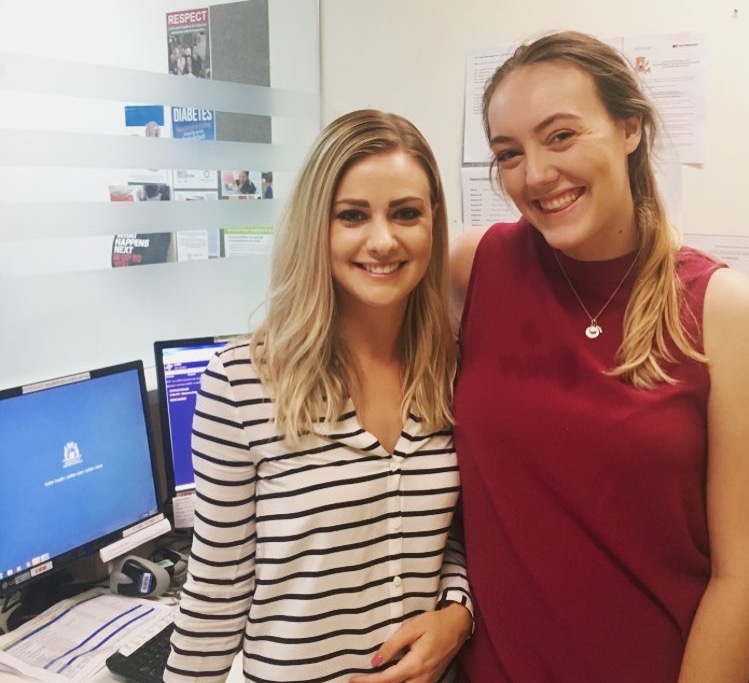
There are two new faces at the front desk at the PMH Diabetes and Endocrinology clinic so don’t forget to introduce yourself and say hi next time you visit.
Young people with Type 1 Diabetes are needed for a new study looking at whether blood sugar levels affect exercise performance.

Jake's diabetes journey Age when diagnosed; two years-old, almost three.
Last month, our Centre's co-Director Liz Davis, attended the National Association of Diabetes Centre's (NADC) Symposium in Sydney.
Patients, families and our centre staff members took part in JDRF's One Walk last October to raise funds for type 1 diabetes research.