
Search
An extra whooping cough vaccination for babies comes as a result of work by researchers at the Wesfarmers Centre of Vaccines and Infectious Diseases.
It's that time of year again... Flu vaccine time! Watch Dr Chris Blyth answer commonly asked questions in the video below.
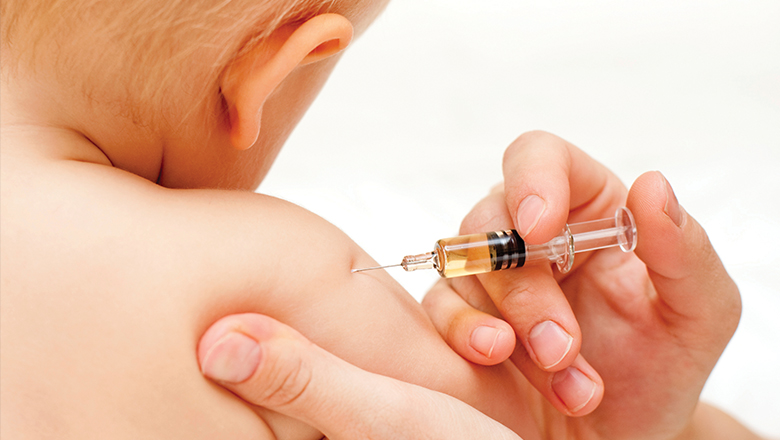
Immunisation plays an important role in preventing disease within our community. Join us at a FREE public seminar on vaccinations.
Immunisation plays an important role in preventing disease within our community. Watch Dr Chris Blyth answer some commonly asked questions about vaccines.

My colleagues and I at Perth's The Kids Research Institute Australia study how to make current vaccines work better, reduce common side effects, and develop new vaccines.
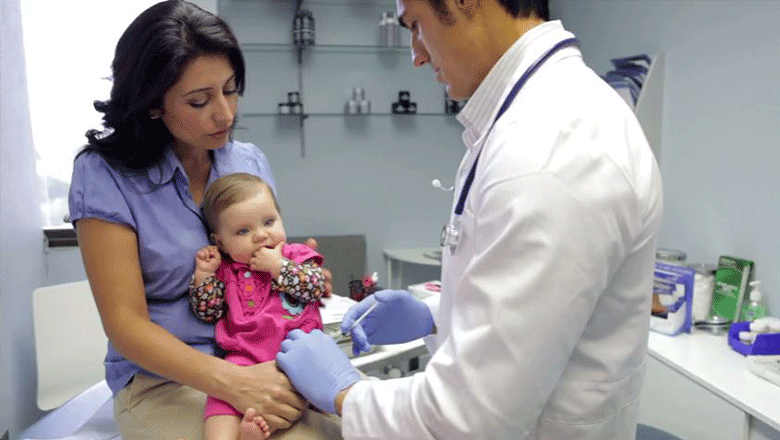
Research by The Kids Research Institute Australia will soon ensure young children are better protected against whooping cough.
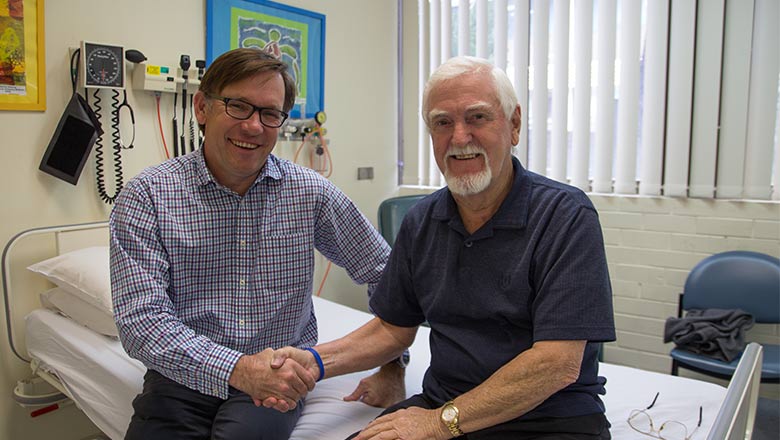
Sarah Le Roi knows well how debilitating Clostridium difficile infection (CDI) can be. She was struck down with the 'superbug' while on holiday in the US.
Wesfarmers Centre of Vaccine and Infectious Diseases Research Seminar Series 2014.Genetic and functional studies of leishmaniasis: understanding the role of HLA
Prime Ministers of Australia and New Zealand have agreed to provide $3M to help fast-track the development of a vaccine against rheumatic fever.
Hear the facts about vaccination and infectious disease from some of Australia's leading experts: Professor Jonathan Carapetis, Dr Peter Richmond