
Search
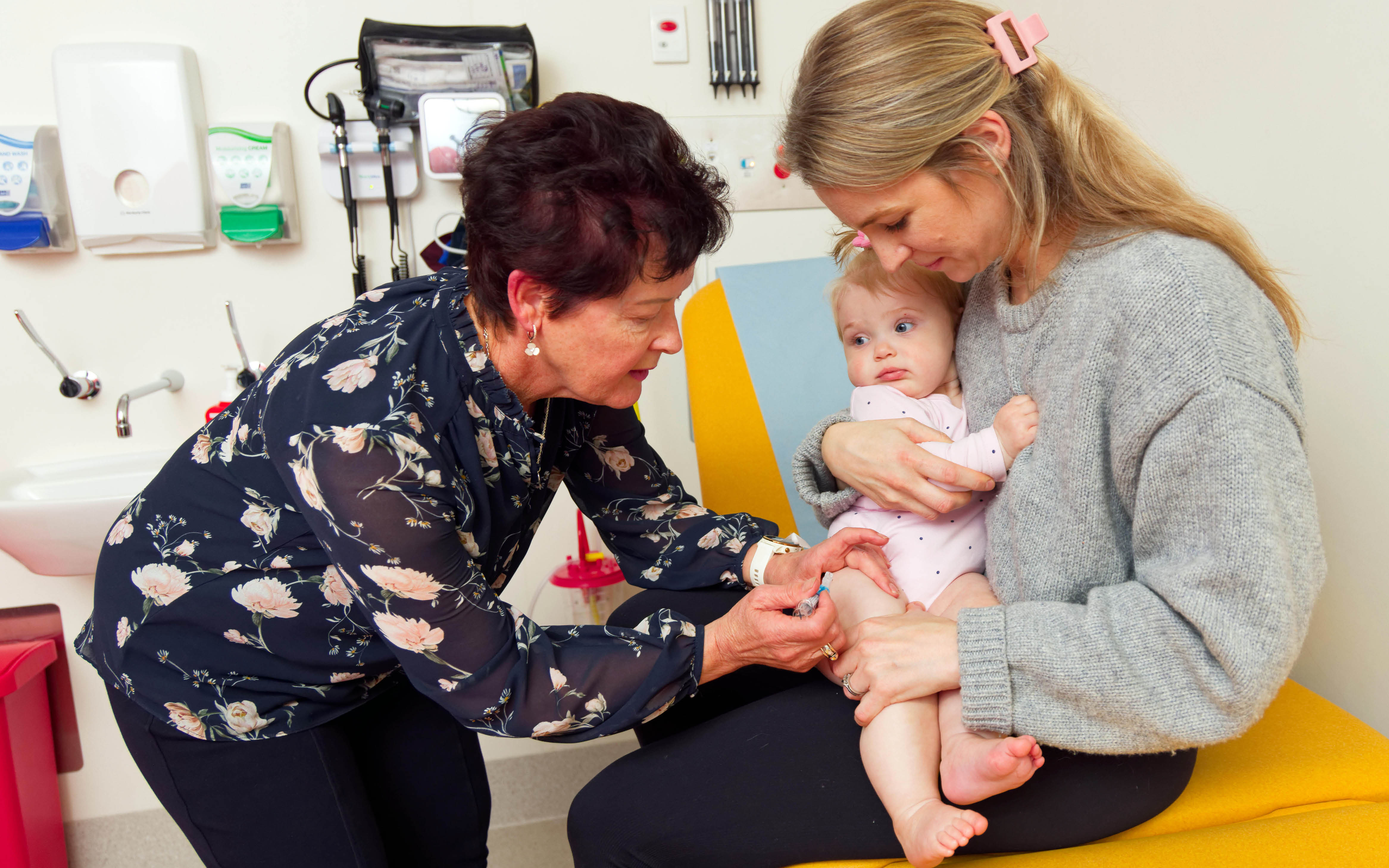
The mission of the Vaccine Trials Group is to improve the health of the community through immunisation and the prevention of infectious diseases.
Centre Head, Wesfarmers Centre of Vaccines and Infectious Diseases; Honorary and NHMRC Career Development Fellow, Paediatric Infectious Diseases Physician and Clinical Microbiologist
Clinical Research Manager
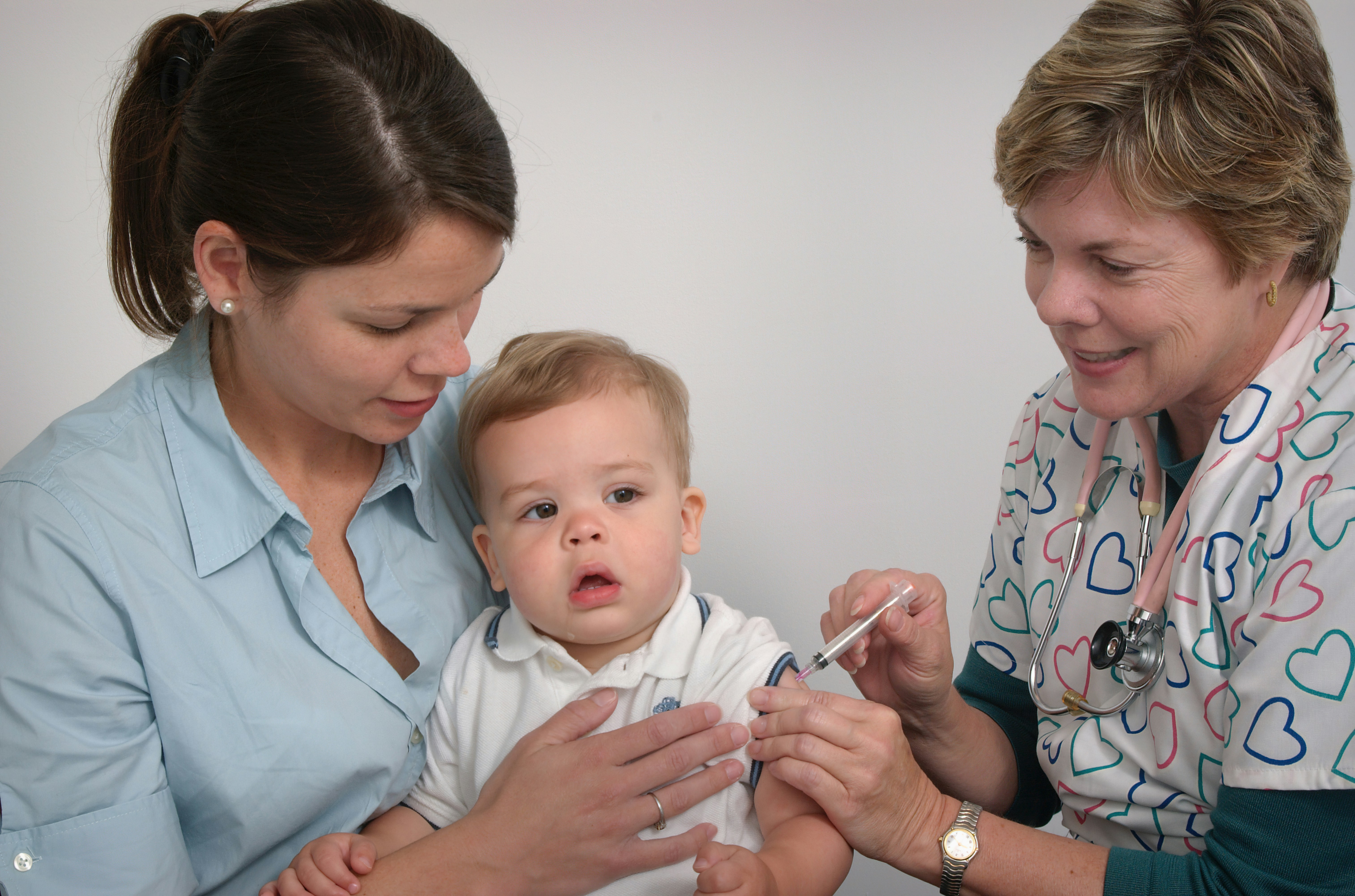
Researchers at The Kids Research Institute Australia have helped map the global impact of life saving vaccines to mark the 50-year anniversary of the Expanded Programme on Immunisation (EPI).
Top infectious disease experts in Australia will lead a clinical trial to determine whether combining different Covid-19 vaccines in the nation’s booster immunisation will increase effectiveness.

In 2017, a steep rise in cases of meningococcal disease caused by the W strain sparked a wave of concern for parents in Western Australia.
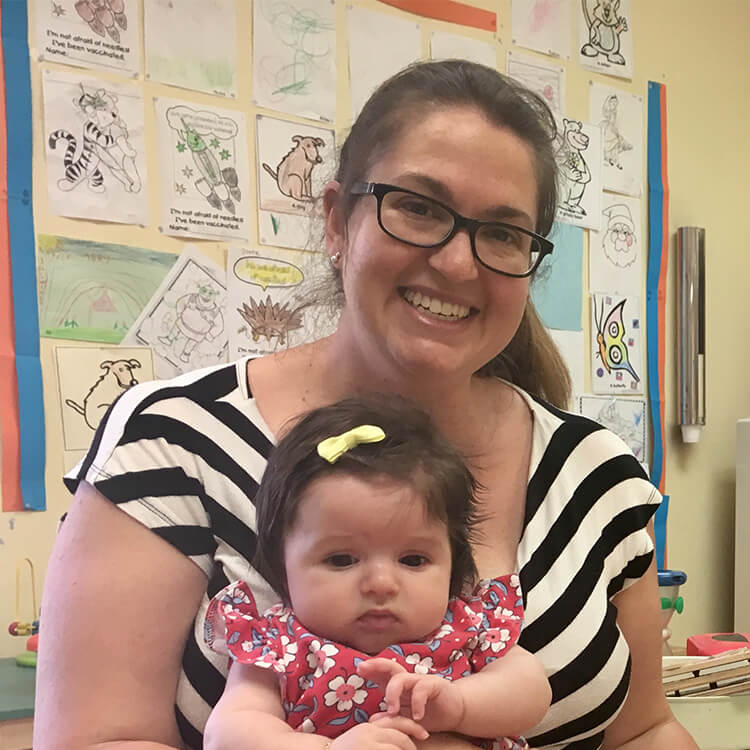
New mothers in Perth are teaming up with researchers at The Kids Research Institute Australia in a global bid to develop the first vaccine to prevent Respiratory Syncytial Virus (RSV) disease.
Chris Jennifer Lea-Ann Peter Ruth Brennan-Jones Kent Kirkham Richmond Thornton PhD RN PhD MBBS MRCP(UK) FRACP PhD Head, Ear and Hearing Health
PAEDS monitors for key vaccine preventable conditions and severe side effects from vaccine in 5 paediatric hospitals in Australia.