Skip to content

Search

Pathways of Socioeconomic Disadvantage and Peer Bullying in Children and Youth: A Scoping Review

Growing up in socioeconomic disadvantage increases risk of peer bullying at school. Both socioeconomic status and involvement in bullying are predictive of a range of adverse developmental outcomes. However, neither (a) the mechanisms whereby disadvantage increases bullying risk nor (b) the developmental outcomes for which bullying may mediate disadvantage are clear. 

How does the school built environment impact students’ bullying behaviour? A scoping review

School bullying is a public health concern affecting the physical and mental health of children and young people. While school-based interventions to prevent bullying have been developed internationally, the effectiveness of many interventions has been mixed and modest.

‘It’s All About Context’: Building School Capacity to Implement a Whole-School Approach to Bullying

Student bullying behaviours are a significant social issue in schools worldwide. Whilst school staff have access to quality bullying prevention interventions, schools can face significant challenges implementing the whole-school approach required to address the complexity of these behaviours.

Why did you do that? Differential types of aggression in offline and in cyberbullying

Traditional conceptualizations of aggression distinguish between reactive (e.g., rage) and proactive (e.g., reward) functions of aggression. However, critiques of this dichotomy have pointed out these models conflate motivational valence and self-control.

The relationship between early adolescent cyberbullying victimization and later emotional wellbeing and academic achievement

This study addresses a knowledge gap in the literature about early adolescent cyberbullying victimization and the related positive and negative emotional wellbeing and academic achievement outcomes experienced over time. 

Parental Challenges, Facilitators and Needs Associated with Supporting and Accepting Their Trans Child’s Gender

Parental support is strongly correlated with protective factors for trans youth yet most experience parental rejection or ambivalence regarding their gender. Many parents report a desire to support their child but indicate lack of understanding and support as key barriers. We aimed to develop a nuanced understanding of the challenges and facilitators experienced by Australian parents in developing understanding, support and acceptance of their child’s gender and their needs to do so.

Correlates of Help-Seeking Behaviour in Adolescents Who Experience Bullying Victimisation

A commonly suggested strategy for addressing bullying is for victims to seek help from a trusted person. Despite this recommendation, there are a group of adolescent victims who choose not to seek help. This study aimed to identify factors associated with not seeking help among adolescents who experienced bullying victimisation.

The Kids researchers finalists in Premier’s Science Awards

The Kids Research Institute Australia has two researchers and an innovative science engagement initiative as finalists in the 2017 Premier’s Science Awards.
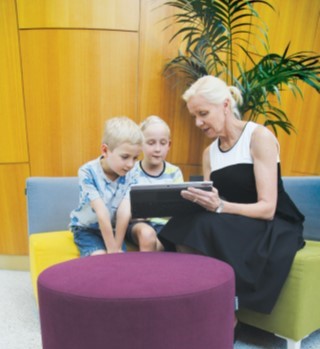
Cybersafety

Even in the safety of their home, there are many risky places a child or teenager can visit online. This can be due to the content they see, who they come into contact with, and personal information they share.

Young ambassadors keep researchers on their toes

Flat out trying hard to keep up with the ever-changing threats from cyberbullying, The Kids Research Institute Australia counts itself fortunate to have youth on its side.