
Search
Mesothelioma is a lethal cancer. Despite promising outcomes associated with immunotherapy, durable responses remain restricted to a minority of patients, highlighting the need for improved strategies that better predict outcome. Here, we described the development of a mesothelioma-specific gene signature that accurately predicts survival.
Tropomyosin receptor kinase (TRK) fusions are detected in less than 2% of central nervous system tumors. There are limited data on the clinical course of affected patients.
Risk factors for non-communicable diseases (NCDs, cardiovascular diseases, cancers, chronic respiratory diseases, diabetes, and mental disorders) arise in adolescence but are mostly framed as relevant to health in adulthood; little is known about the relationship between co-occurring NCD risks and mental wellbeing in young people.
Lung squamous cell carcinoma (LUSC) is a significant health concern, characterized by a lack of specific therapies and limited treatment options for patients in advanced stages. This study aims to identify key molecules of prognostic importance in LUSC and provide an experimental foundation for their potential therapeutic applications.
Cancer is a leading cause of death globally. Accurate cancer burden information is crucial for policy planning, but many countries do not have up-to-date cancer surveillance data. To inform global cancer-control efforts, we used the Global Burden of Diseases, Injuries, and Risk Factors Study (GBD) 2023 framework to generate and analyse estimates of cancer burden for 47 cancer types or groupings by age, sex, and 204 countries and territories from 1990 to 2023, cancer burden attributable to selected risk factors from 1990 to 2023, and forecasted cancer burden up to 2050.
The efficacy of chimeric antigen receptor (CAR) T cell therapy in solid tumours is limited by immunosuppression and antigen heterogeneity. To overcome these barriers, 'armoured' CAR T cells, which secrete proinflammatory cytokines, have been developed. However, their clinical application has been limited because of toxicity related to peripheral expression of the armouring transgene.
Citation: Sek K, Chen AXY, Cole T, Armitage JD, Tong J, ……… Waithman J, Parish IA, et al. Tumor site-directed A1R expression enhances CAR T cell
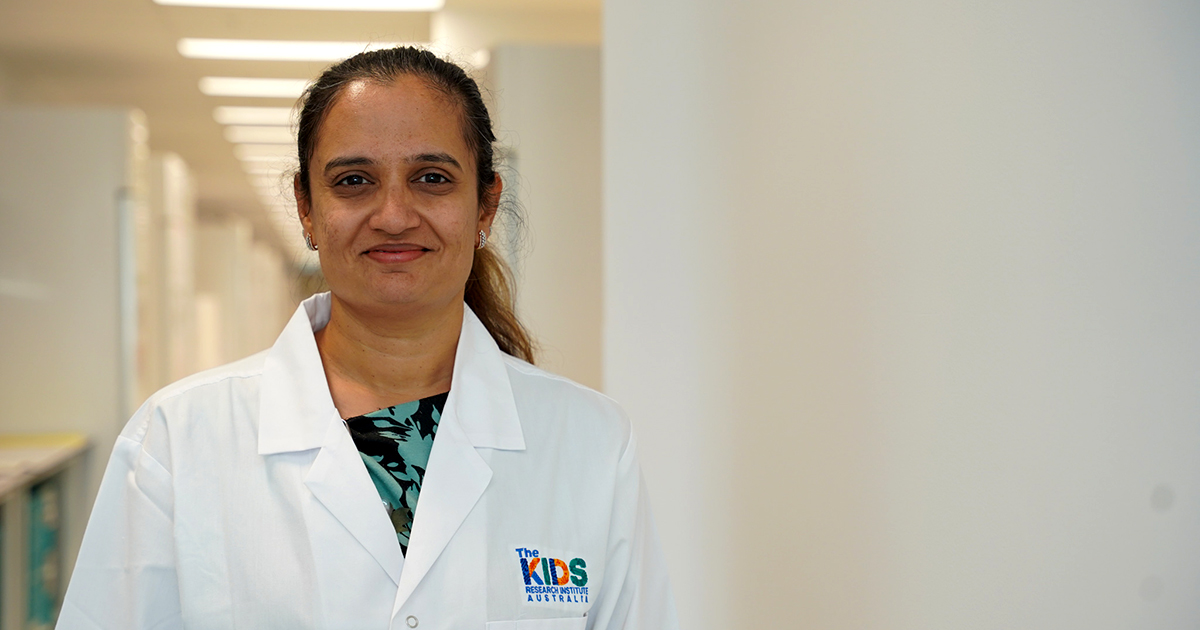
A landmark study led by Dr Hetal Dholaria, The Kids Research Institute Australia researcher and Perth Children’s Hospital Oncologist, has confirmed that a “wait and watch” approach for newborns diagnosed with neuroblastoma is not only safe, but effective over the long term.
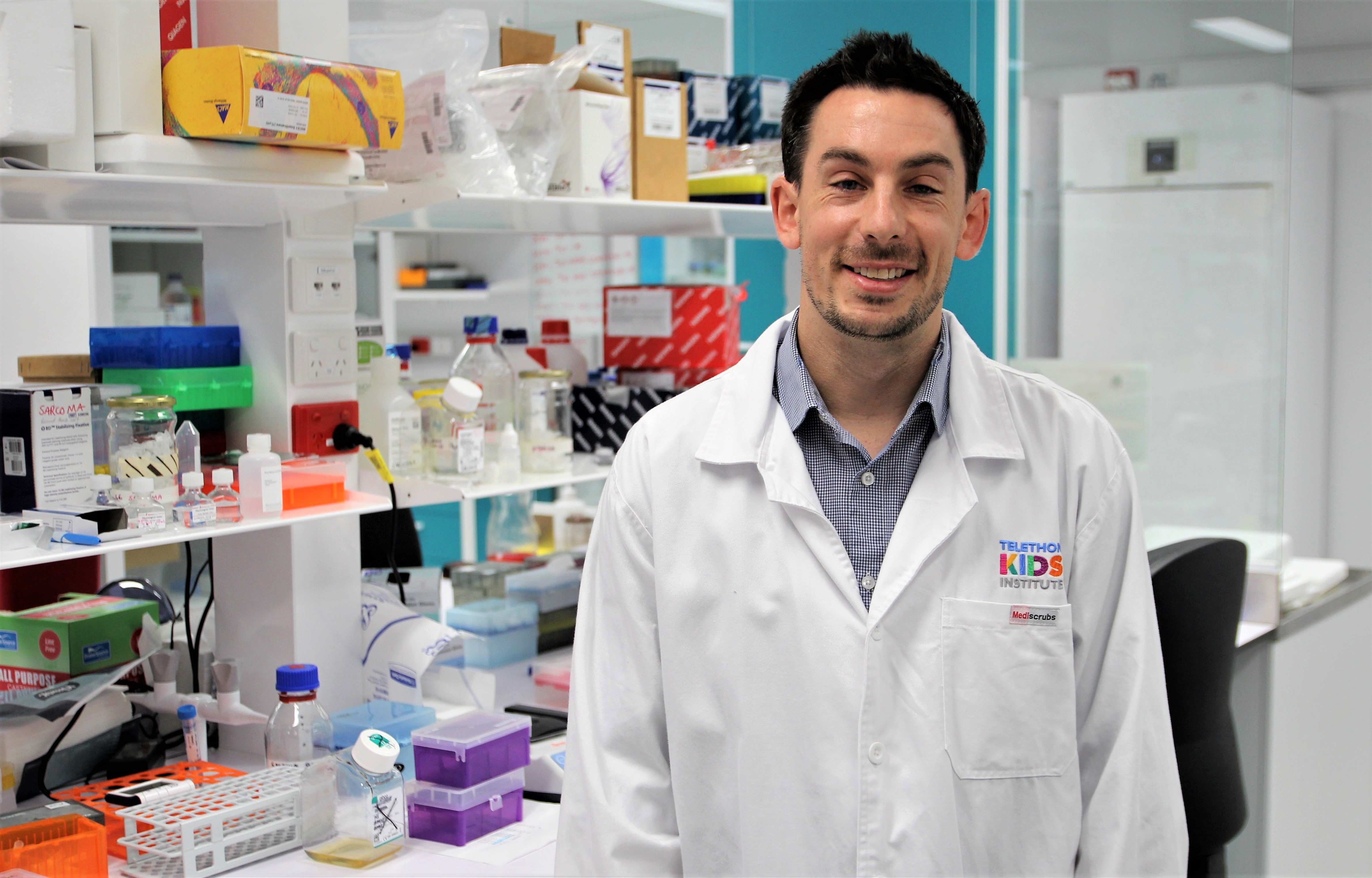
Cure Cancer and The Kids Research Institute Australia researcher Dr Ben Wylie announced new potential treatment in time for Childhood Sarcoma Awareness month.
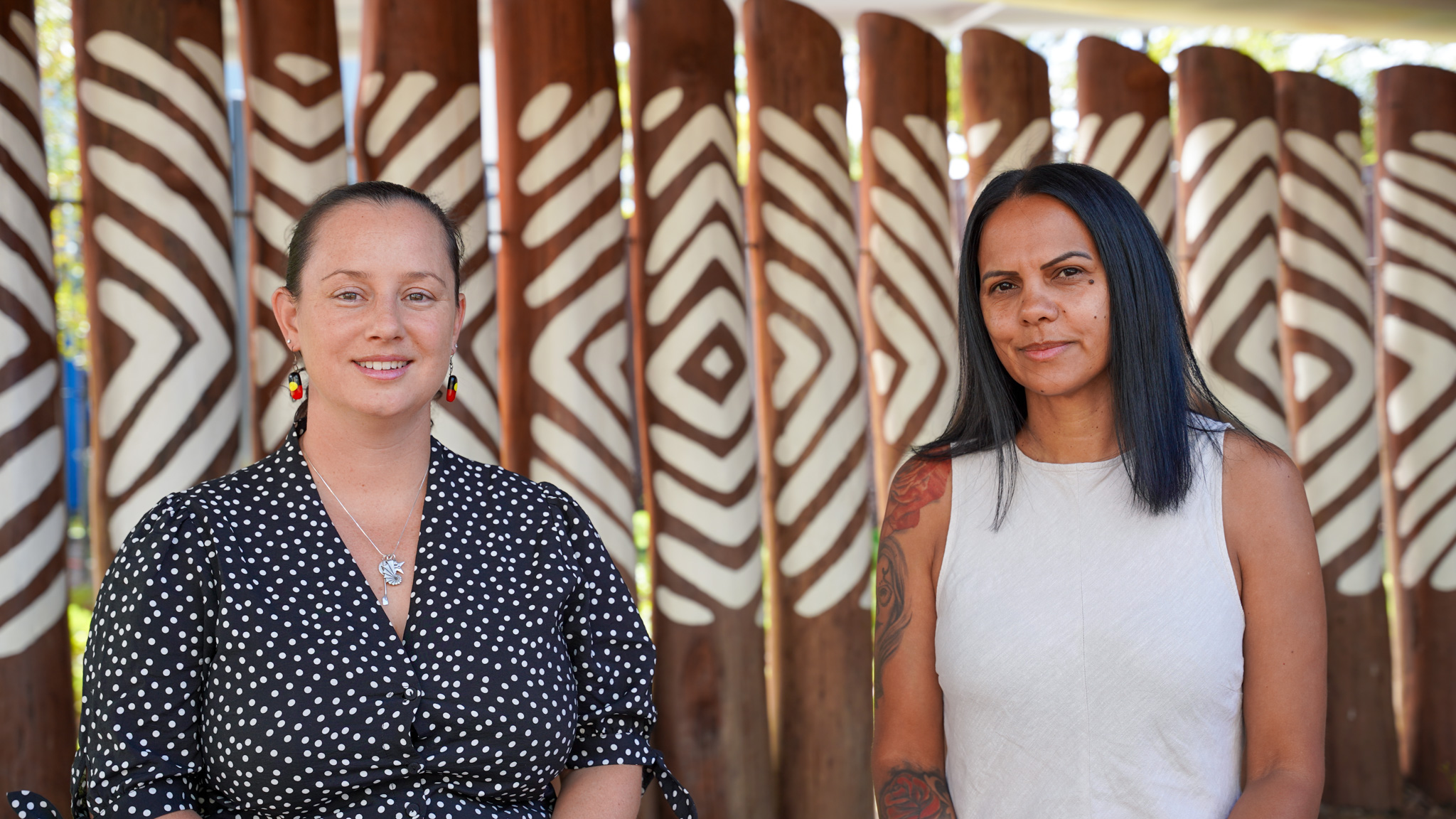
A first of its kind research program at The Kids Research Institute Australia aims to develop new strategies to better treat Aboriginal and Torres Strait Islander children with cancer.