
Search
Genomic sequence data from worldwide human populations have provided a range of novel insights into our shared ancestry and the historical migrations that have shaped our global genetic diversity.
This study aimed to explore the rates of motor difficulties in children from the Australian Autism Biobank, and how early motor concerns impacted on children functionally.
The past three decades have seen a major shift in our understanding of the strong links between autism and identity. These developments have called for careful consideration of the language used to describe autism.
Early intervention within First Episode Psychosis (FEP) recovery efforts support functional recovery in several ways, including increasing levels of (1) physical activity (2) life skills, and (3) social connectivity. Sport has been proposed as an ideal platform to target these three goals simultaneously.
Tick-borne diseases are a growing global health concern. Despite extensive studies, ill-defined tick-associated pathologies remain with unknown aetiologies. Human immunological responses after tick bite, and inter-individual variations of immune-response phenotypes, are not well characterised.
Indigenous peoples in high income countries are disproportionately affected by Type 2 Diabetes. Socioeconomic disadvantages and inadequate access to appropriate healthcare are important contributors.
ParticiPAte CP is a participation-focused therapy intervention that is effective to increase perceived performance of physical activity participation goals in children with cerebral palsy. We aimed to characterise the contents of ParticiPAte CP using validated behaviour change frameworks.
We present the Widefield ASKAP L-band Legacy All-sky Blind surveY (WALLABY) Pilot Phase I Hi kinematic models. This first data release consists of Hi observations of three fields in the direction of the Hydra and Norma clusters, and the NGC 4636 galaxy group.
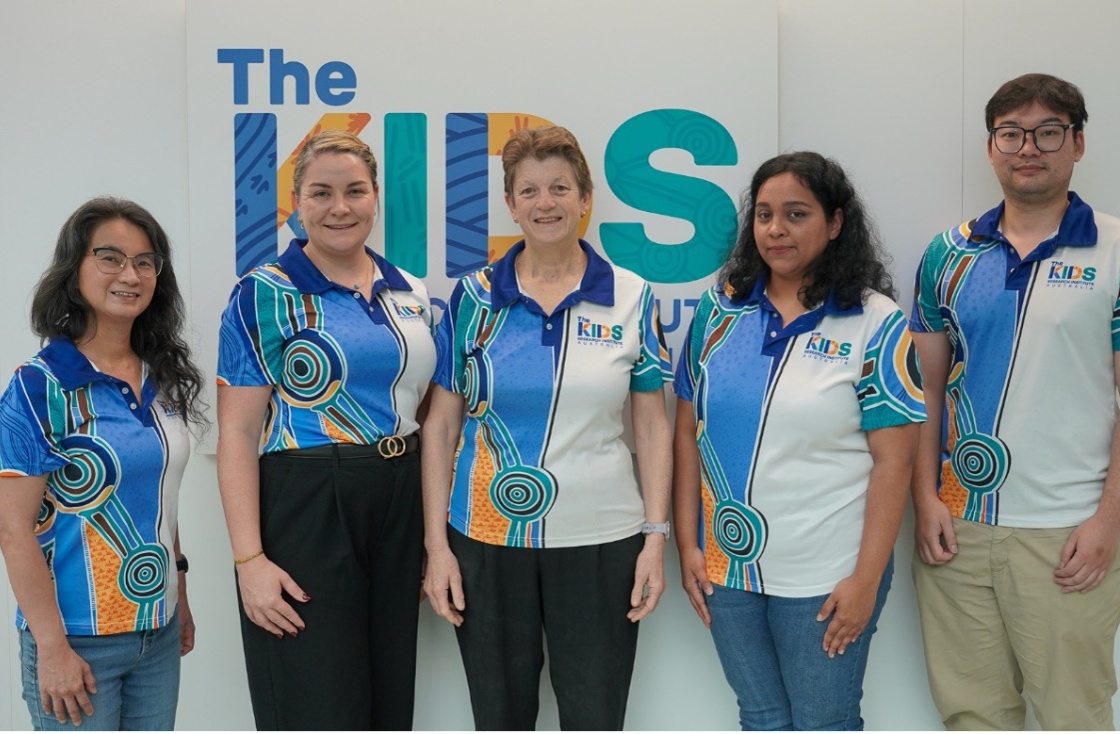
Meet the team behind the CIRCA DIEM study.
To evaluate the associations between complex hip surgery and subsequent hospitalizations in children with intellectual disability, including a subset of children with cerebral palsy.