
Search

The Kids Research Institute welcomes WA's $11M RSV immunisation program, offering free Nirsevimab to infants, aiming to reduce winter hospitalisations.
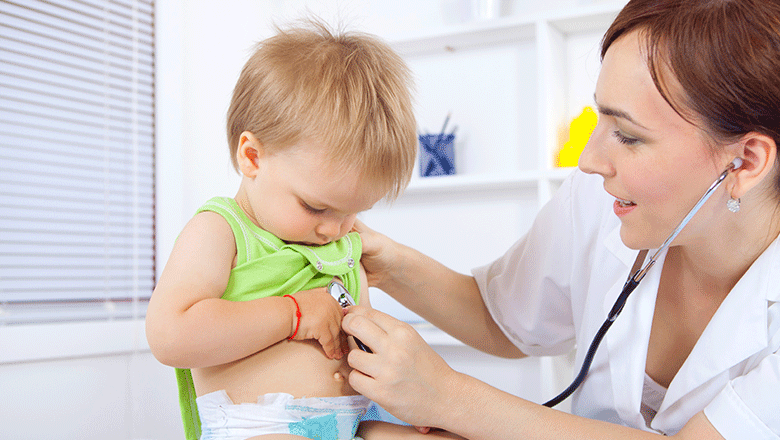
A The Kids Research Institute Australia study designed to gauge community awareness of respiratory syncytial virus (RSV) has found parents and parents-to-be are highly aware of the virus and are open to immunisation to tackle it.
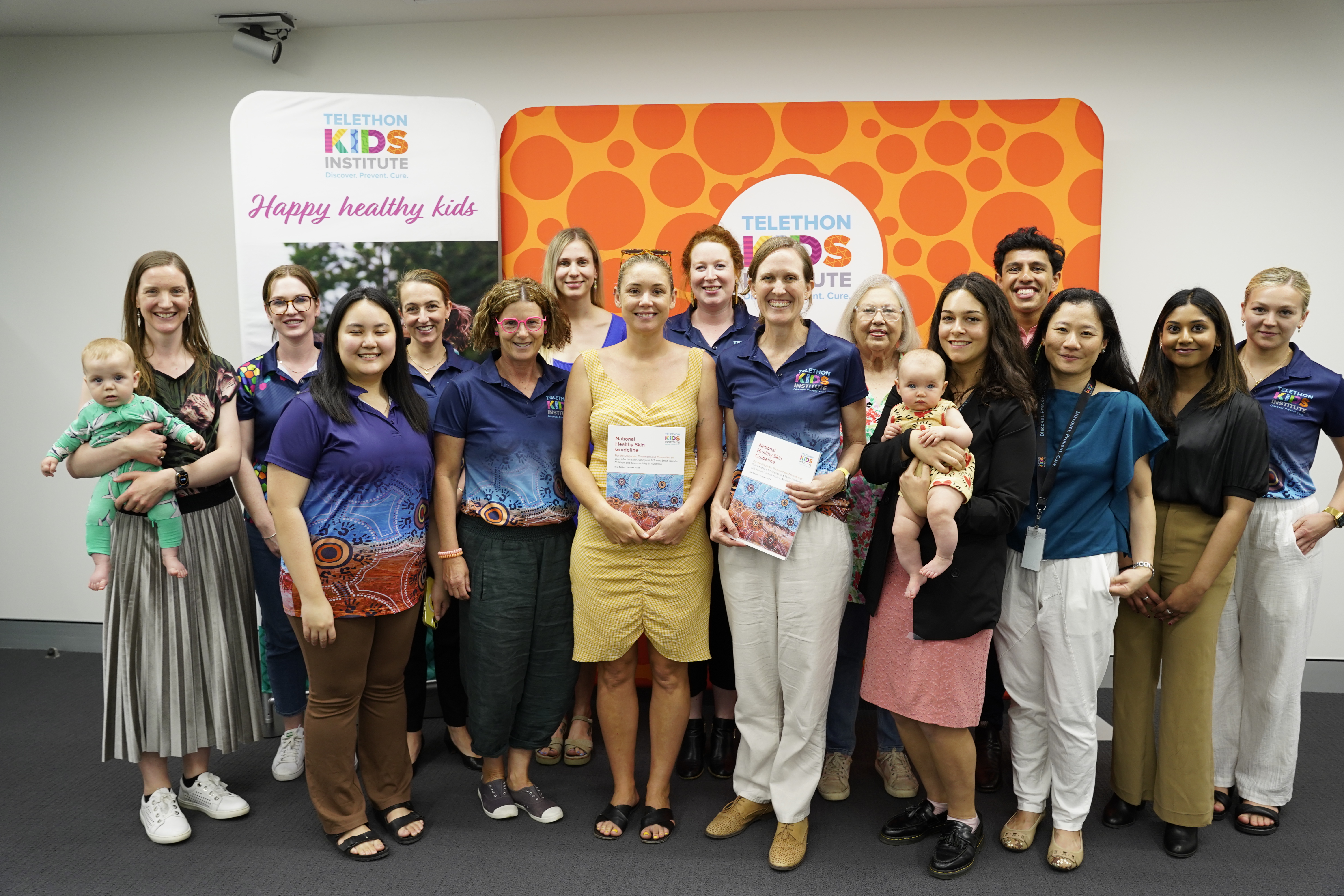
A new National Healthy Skin Guideline has been launched by The Kids Research Institute Australia, to help health care providers identify, diagnose and treat a range of skin conditions experienced by Aboriginal and Torres Strait Islander people in urban and remote areas.

A The Kids Research Institute Australia and Curtin University-led study has found the maternal whooping cough vaccine given to pregnant mothers in the second or third trimester significantly reduced babies’ risk of infection, protecting them at their most vulnerable age.
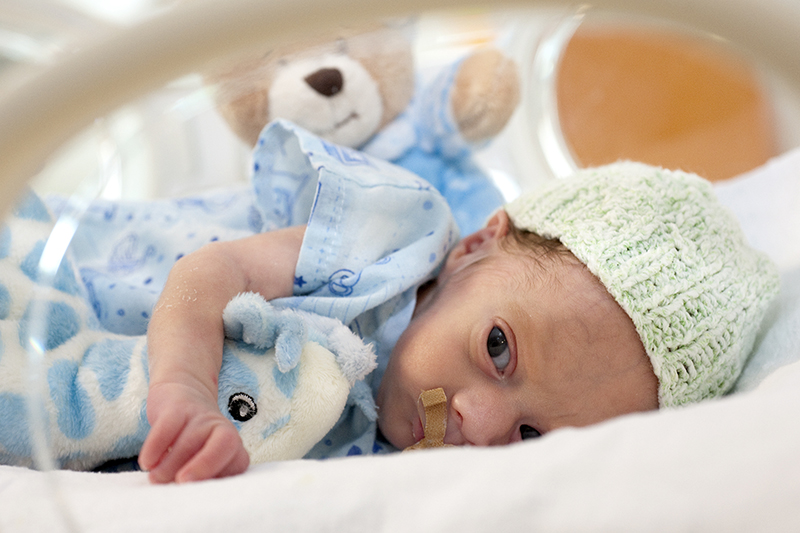
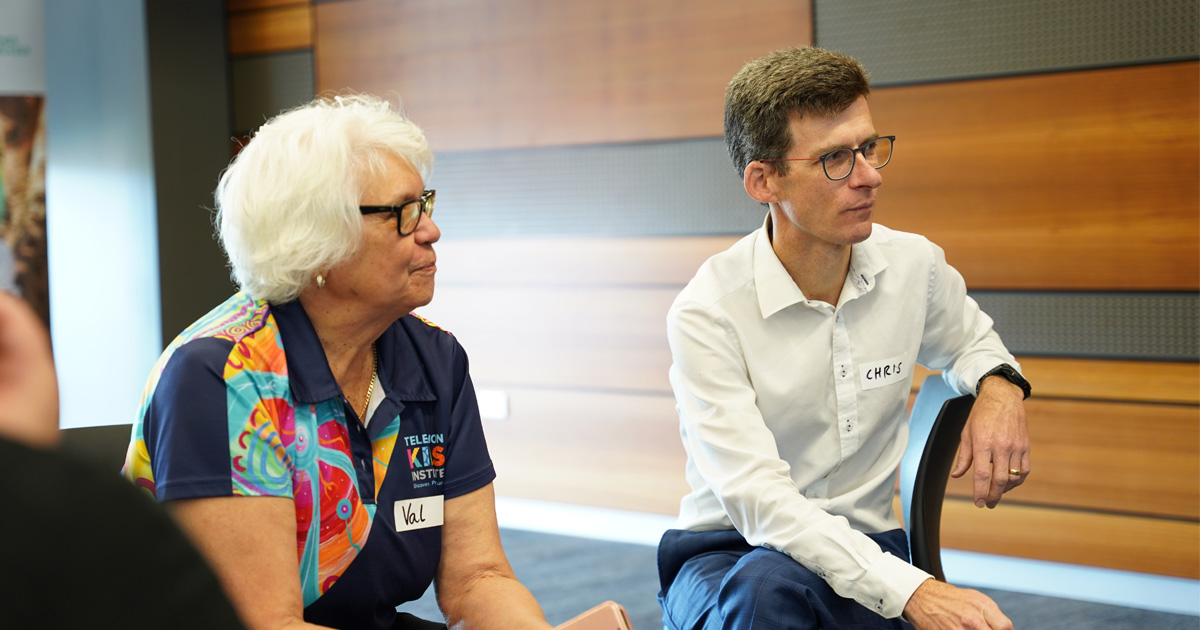
Researchers from the Wesfarmers Centre of Vaccines and Infectious Diseases at The Kids Research Institute Australia have shared their expertise with the community in Cockburn, covering topics ranging from respiratory disease in babies to recurring ear infections in kids.
Staphylococcus aureus bacteremia (SAB) is the most common cause of childhood sepsis contributing to pediatric intensive care unit admission. The cost of adult SAB hospitalization is well described globally, but limited costing information is available for children. To bridge this knowledge gap, we investigated the cost of hospitalization in children with SAB in Australia.
The prevalence of impetigo and pharyngitis - which are both superficial group A streptococcus (GAS) infections that precede acute rheumatic fever - is poorly defined. Guidelines recommend the early diagnosis of both infections to prevent ARF; however, screening to enable the concurrent detection of these infections in high-risk populations has rarely been performed.
Acute rheumatic fever is a preventable condition that can lead to chronic illness and early death. Standard prevention with 4-weekly intramuscular (IM) benzathine penicillin G (BPG) injections for ≥10 years may be associated with poor adherence. High-dose 10-weekly subcutaneous penicillin injections (SCIP) may improve adherence by reducing injection frequency.
Otitis media with effusion (OME) affects hearing, speech development, and quality of life (QoL) in children. The 'Blow, Breathe, Cough' (BBC) intervention promotes nasal, respiratory, and middle ear clearance through nose blowing, deep breathing, coughing, and hand hygiene. It shows promise in resolving OME but lacks randomized-controlled trial (RCT) evaluation. This paper presents a RCT protocol evaluating BBC's effect on OME resolution, hearing, speech, and QoL in children aged two to seven years.