
Search
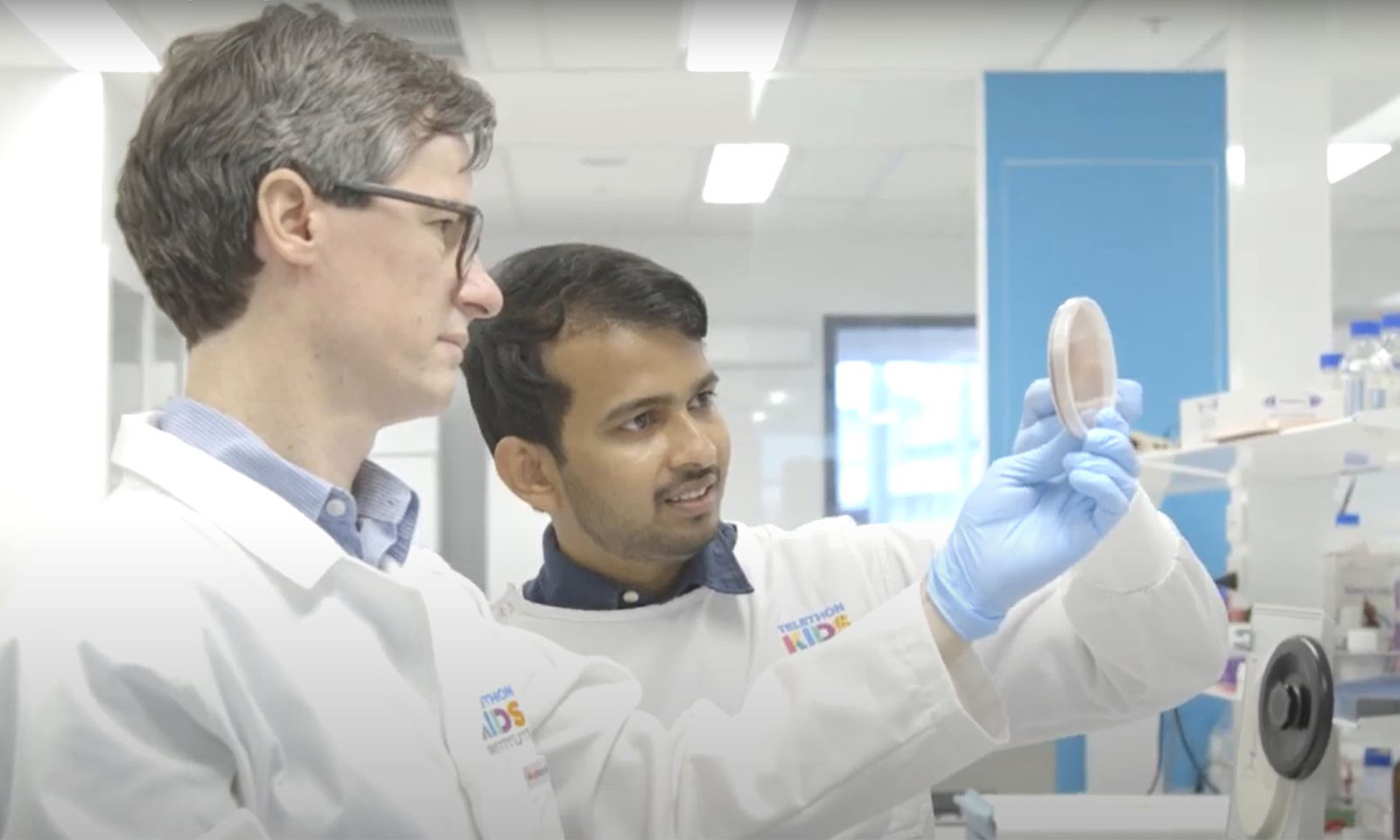
Australian researchers have uncovered a new form of antimicrobial resistance (AMR) – undetectable using traditional laboratory testing methods – in a discovery set to challenge existing efforts to monitor and tackle one of the world’s greatest health threats.
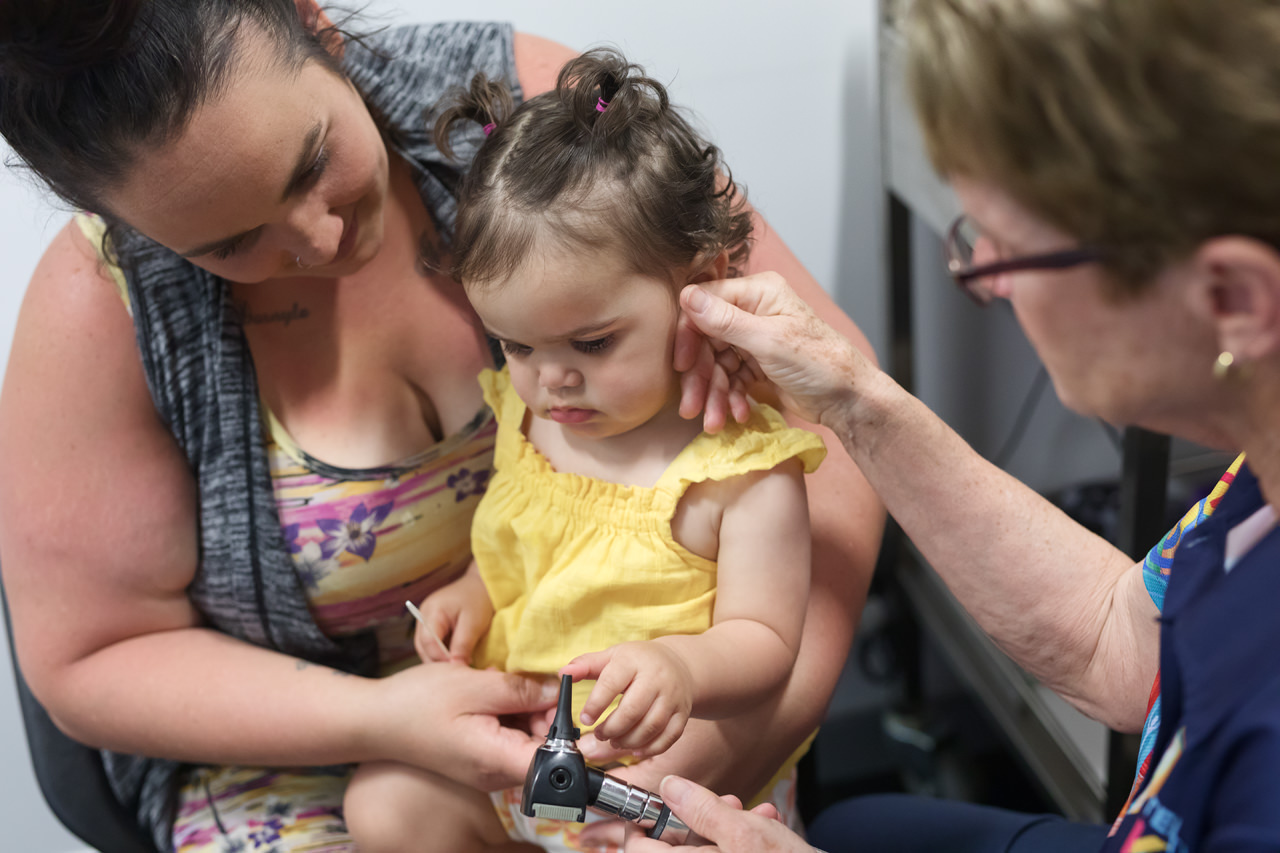
Researchers from The Kids Research Institute Australia have been awarded a $1.1 million NHMRC ‘Targeted Call for Hearing Health’ grant to conduct the first ever study following Aboriginal babies from birth through to five years to uncover the true prevalence of middle ear infections and hearing loss.
A global consortium of Group A Streptococcus (Strep A) researchers has launched a series of best practice surveillance protocols designed to unite international research efforts for a world-first Strep A vaccine.
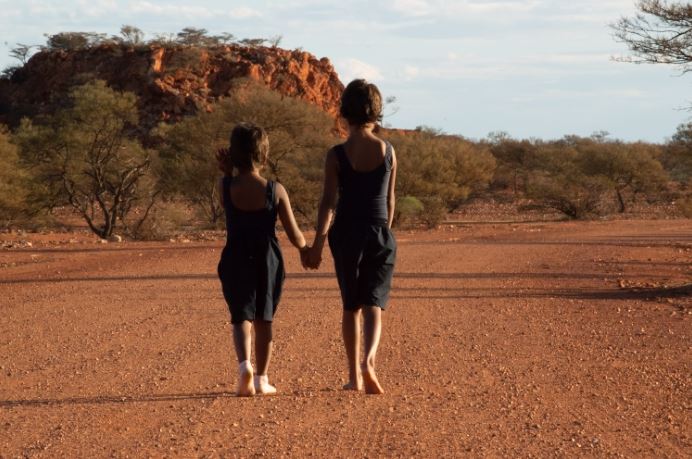
Instant diagnosis and treatment of potentially life-threatening Strep A infections is now very close to reality across Australia’s remote and regional areas thanks to molecular point-of-care testing (POCT) that slashes result times from five days to just minutes.

The urgency for a world-first respiratory syncytial virus vaccine is at an all-time high.
Australia’s TGA has granted a provisional determination to Pfizer, allowing the pharmaceutical company to apply for approval to extend its COVID-19 vaccine to children aged 6 mths - 4 yrs.
A rapid test to detect antibiotic-resistant skin infections in Aboriginal children could be a step closer, thanks to support from the FHRIF.
The Kids Research Institute Australia, Perth Children’s Hospital (PCH) and the Peter Doherty Institute for Infection and Immunity (Doherty Institute) will spearhead the paediatric arm of a world-first global platform trial designed to uncover treatments for Staphylococcus aureus bloodstream infection.

The FluBub Study will investigate whether giving the flu vaccine much earlier than the six months currently recommended by the National Immunisation Program will protect babies at the greatest risk of a severe influenza infection when they are most vulnerable.
Optimising our national Covid-19 vaccine program could be one step closer thanks to new research now underway at The Kids Research Institute Australia investigating the most effective, long-term strategies for booster vaccinations.