
Search
This study reports on a three-year group randomized controlled trial, the Cyber Friendly Schools Project, aimed to reduce cyberbullying among grade 8 students
This study explored the perceptions of, and key influences on, adolescent bystanders who witness cyberbullying
This study utilises a community-level approach to develop resources to encourage cybersafety and a positive transition from primary to secondary school
Teachers and school executive teams are often required to address health and wellbeing issues affecting students' learning
This study reports on a three-year group randomized controlled trial, the Cyber Friendly Schools Project (CFSP), aimed to reduce cyberbullying among grade 8...
This book discusses cyberbullying among children; specifically explaining the prevalence of cyberbullying, the difficulties in detection & prevention, the...
The beliefs, attitudes and understandings of pre-service teachers towards bullying and more recently, cyberbullying remains unclear.
Young people's use of mobile phones and access to the Internet have increased dramatically in the last decade, especially among those aged 9-15 years.
Bullying involvement in any form can have lasting physical and emotional consequences for adolescents.
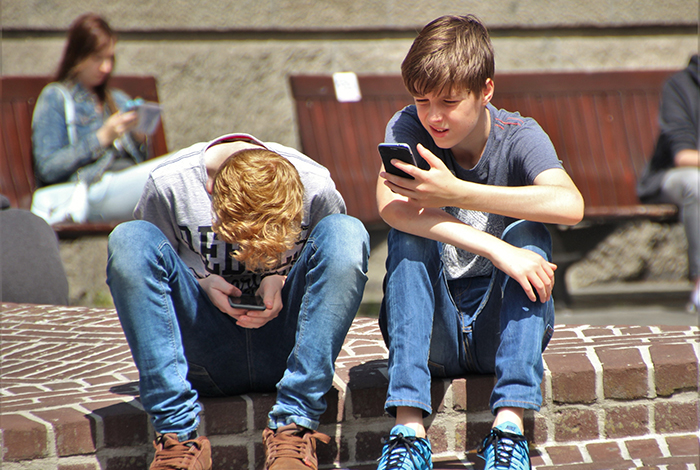
The Kids Research Institute Australia cyber safety expert Professor Donna Cross says parents should use the ‘three C’s’ to help keep their children safe online.