
Search
Mitochondrial energy metabolism plays an important role in the pathophysiology of insulin resistance. Recently, a missense N437S variant was identified in the MRPP3 gene, which encodes a mitochondrial RNA processing enzyme within the RNase P complex, with predicted impact on metabolism. We used CRISPR-Cas9 genome editing to introduce this variant into the mouse Mrpp3 gene and show that the variant causes insulin resistance on a high-fat diet.

Head, Epigenetics
Honorary Research Associate
Trailblazing Aboriginal doctor and health researcher Professor Alex Brown has been made a Fellow of the Australian Academy of Technological Sciences and Engineering (ATSE) in recognition of his leadership in ensuring Indigenous peoples are at the forefront of genomics efforts nationally and internationally.
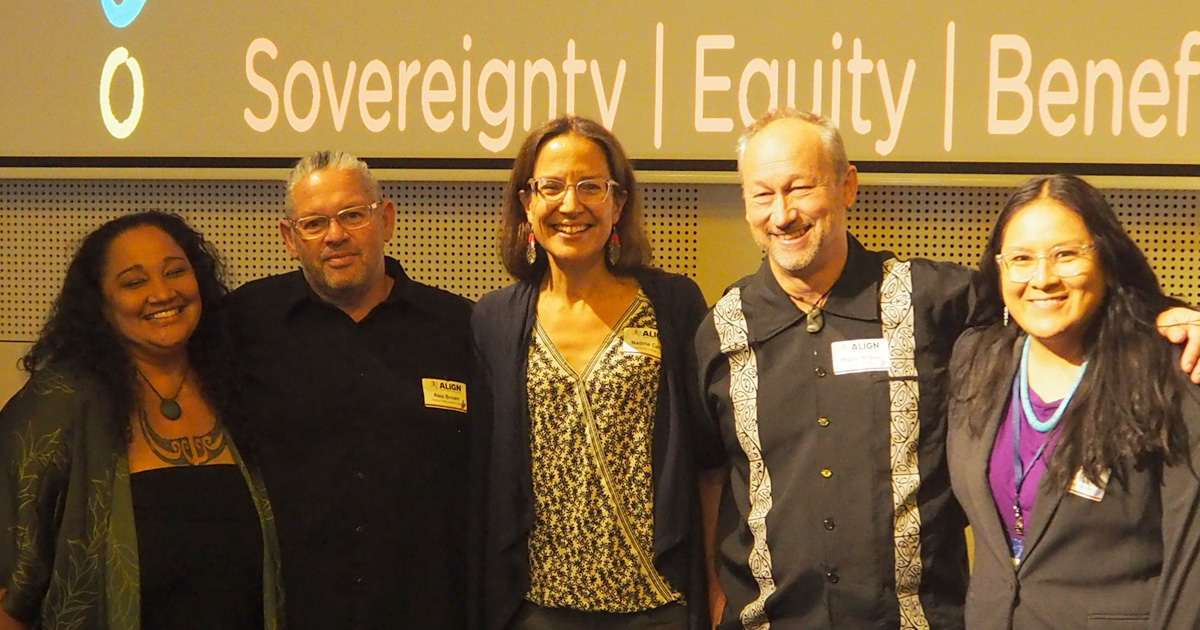
A national alliance of the brightest minds in genomic science, academia, policy makers, industry and Indigenous leaders will work to break down barriers to ensure Aboriginal and Torres Strait Islander people can benefit from advances in genomic medicine if they choose.
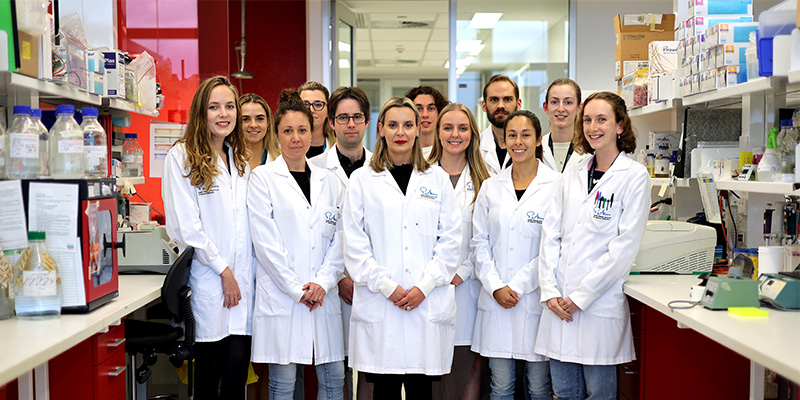
Aleksandra Filipovska has been elected a Fellow of the Australian Academy of Health and Medical Sciences.

A new national network will be established to advance the benefits from Genomic Medicine for Aboriginal and Torres Strait Islander people living in Australia.
Scientific discoveries over the past 30 years mean doctors now have a deeper understanding of what causes disease and how those diseases might progress.
Indigenous communities are under-represented in genomics research, contributing to inequitable health-related knowledge, outcomes, and benefits. Under-representation reflects enduring consequences of colonial research practices that have engendered cultural, ethical, legal, and social (CELS) concerns among communities.
Despite significant improvements in pediatric cancer survival outcomes, there remain glaring disparities in under-represented racial and ethnic groups that warrant mitigation by the scientific and clinical community. To address and work towards eliminating such disparities, the Pacific Pediatric Neuro-Oncology Consortium (PNOC) and Children's Brain Tumor Network (CBTN) established a Diversity, Equity, and Inclusion (DEI) working group in 2020. The DEI working group is dedicated to improving access to care for all pediatric patients with central nervous system (CNS) tumors, broadening diversity within the research community, and providing sustainable data-driven solutions.