
Search

Eight The Kids Research Institute Australia researchers are among those who have received grant funding from the Telethon-Perth Children’s Hospital Research Fund (TPCHRF).
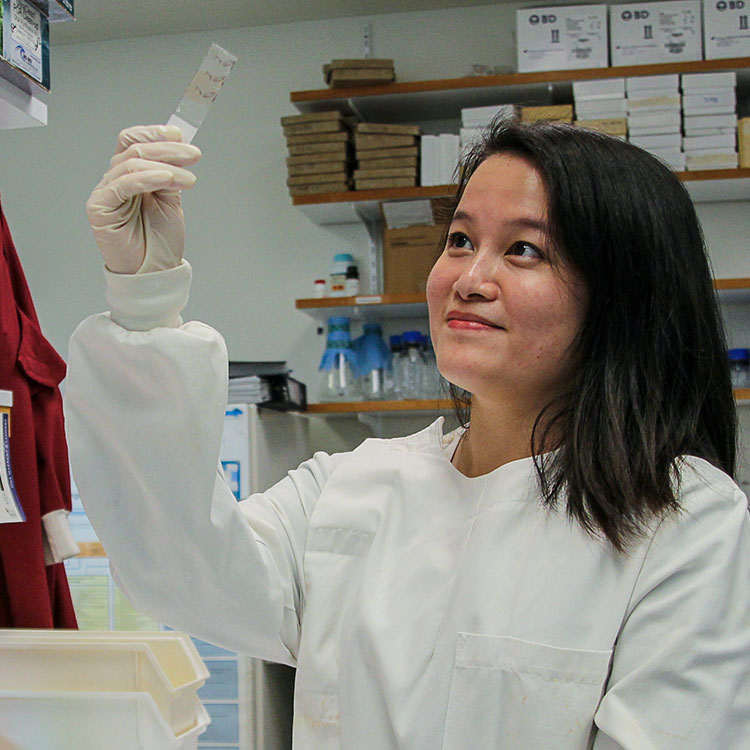
The Kids Research Institute Australia researchers have been awarded five of eight State Government awards designed to help cover the hidden costs of conducting research.

New research has found children who are born even slightly premature or underweight are more likely to be hospitalised with an infection during their childhood
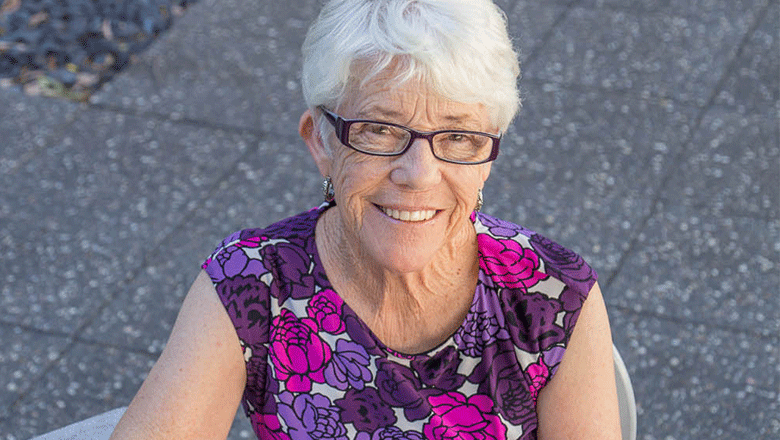
Anne MacKenzie has been recognised with the award of Member of the Order of Australia (AM).
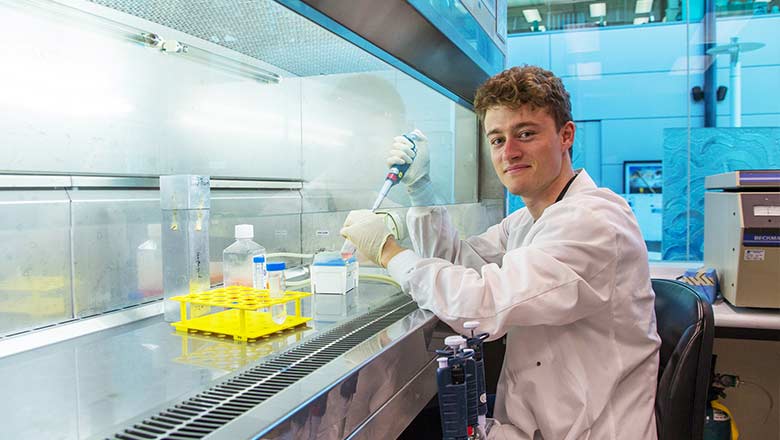
While many university students spend their summer break enjoying a bit of downtime, Will Kermode spent his in a laboratory.
The Kids Research Institute Australia has welcomed the Federal Government's commitment to legislate the Medical Research Future Fund

Perth's The Kids Research Institute Australia has welcomed the passing of legislation to establish the Medical Research Future Fund (MRFF).
Tasmania's Child and Family Centres are having a positive impact on parent's use and experiences of services and supports for young children

Professor Carol Bower has received the prestigious ICBDSR Distinguished Service Award for her work on birth defects - a career that spans 35 years.
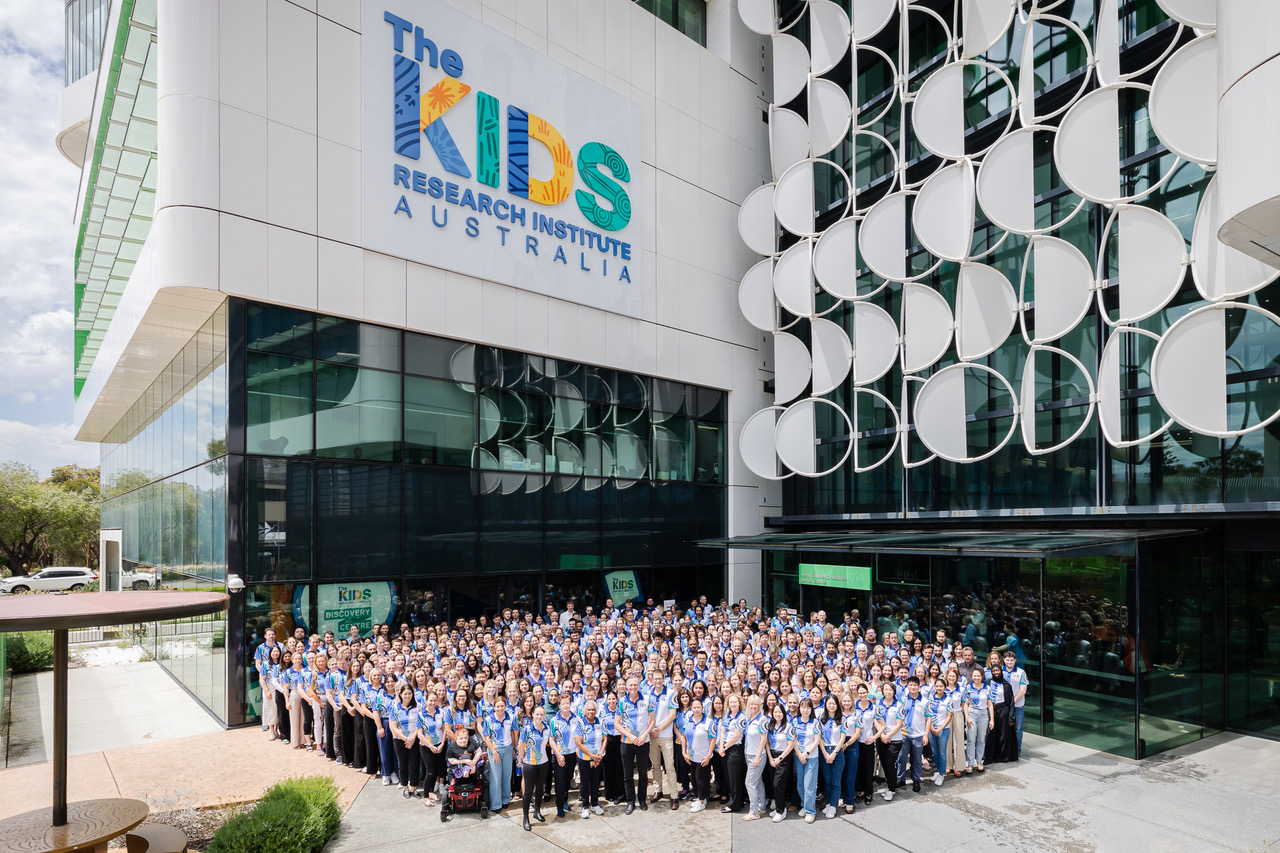
Last week, The Kids Research Institute Australia celebrated a remarkable milestone – 35 years of bold ideas, groundbreaking research, and the people who find answers to the big questions about better health outcomes for children and families.