
Search
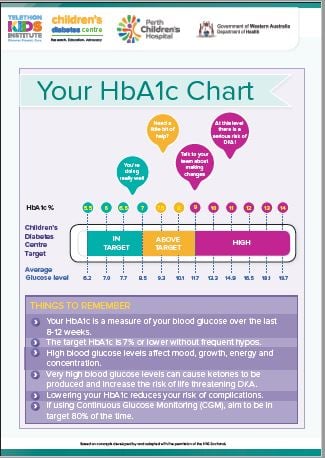
Two new resources have been created for patients — Know the Numbers and Your HbA1c Chart.
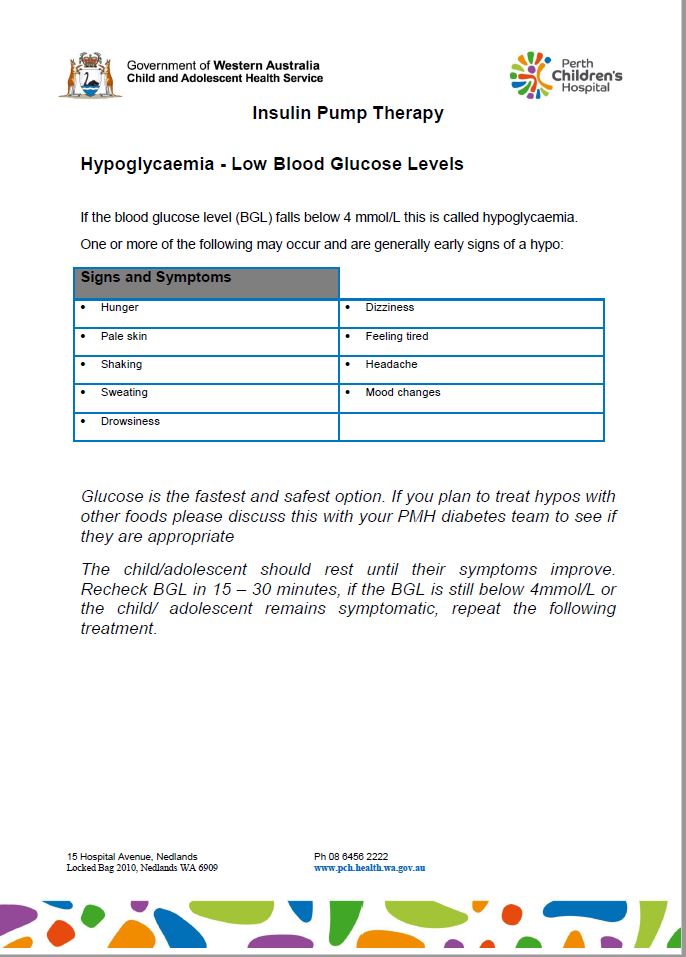
Download hypo/hyper/sick day management guidelines here.

A list of the Children's Diabetes Centre's research track record.

The period of transition between paediatric (child) services and adult-based services is a sensitive one for patients with diabetes.

We know many families have questions about the risk of COVID-19 to children with type 1 diabetes. To address these questions, Perth Children’s Hospital’s Diabetes Clinic has provided information and resources to help you navigate this tricky period.
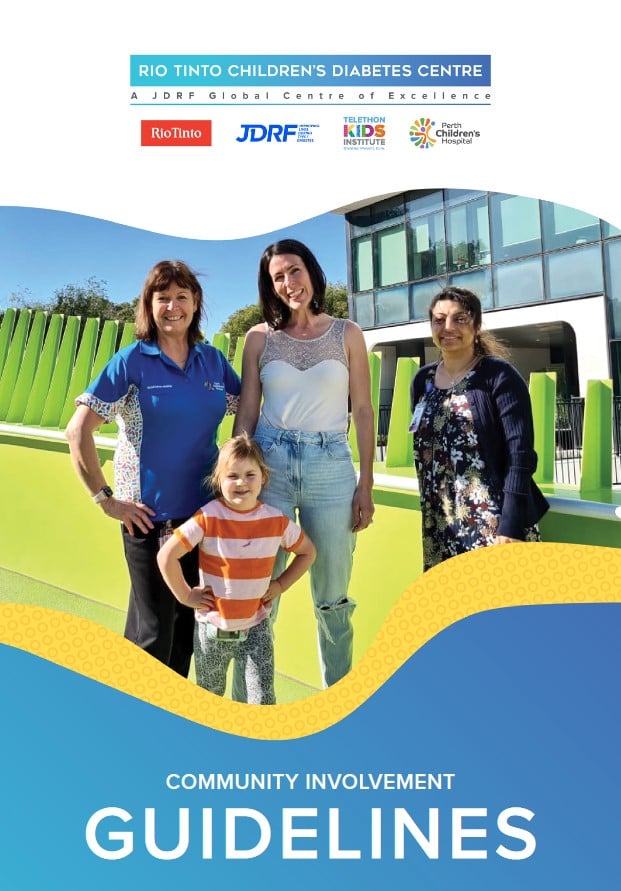
The Rio Tinto Children’s Diabetes Centre is committed to increasing the community voice in diabetes research at all levels to ensure our research is

People living with type 1 diabetes (T1D) can participate in all forms of physical activity, but it can sometimes be a little more challenging.

Check out the Centre's video library here
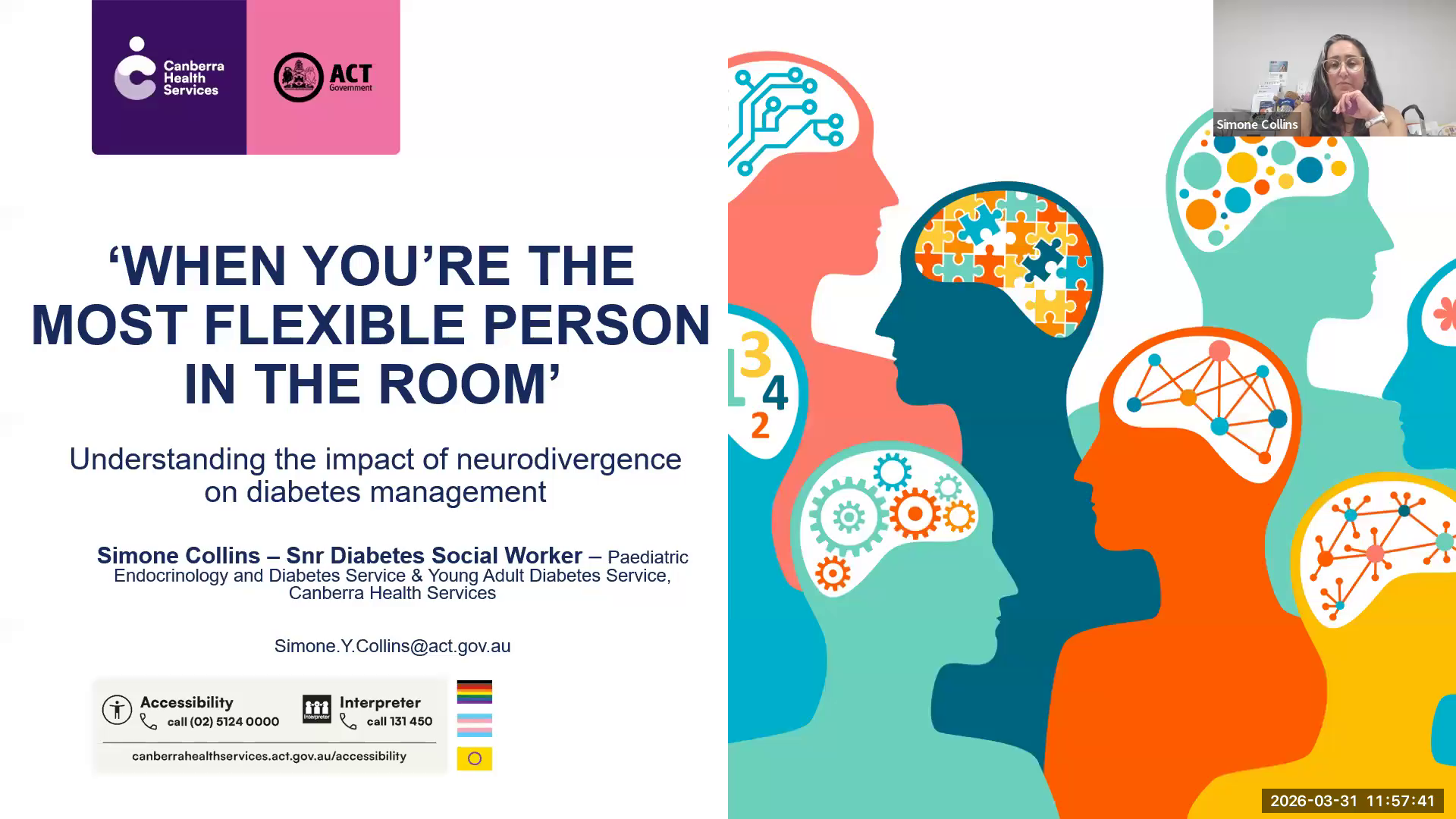
Our goal is to accelerate the dissemination and implementation of evidence-based models of care for children and young people living with Type 1 Diabetes.