
Search

COMBAT CF is one of two long-standing international trials which have resulted in new early intervention options helping to reduce progressive lung damage in kids living with CF.
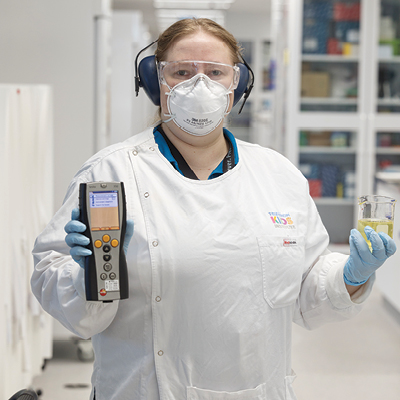
In a world being urged to embrace renewable options, biodiesel fuels are increasingly being touted as a greener, cleaner choice than traditional diesel.
Adverse prenatal conditions can induce intrauterine growth restriction and increase the risk of adulthood metabolic disease. Mechanisms underlying developmentally programmed metabolic disease remain unclear but may involve disrupted postnatal circadian rhythms and kisspeptin signalling.
Japan recently experienced a record surge in streptococcal toxic shock syndrome. Our environmental surveillance study reveals that Streptococcus pyogenes persists seasonally, peaking in autumn and winter in rural Japan. The dominant emm1 M1UK sublineage and csrS mutations heighten virulence, highlighting the urgent need for targeted surveillance and interventions.
Mycobacteroides abscessus (MABS) is within the non-tuberculous mycobacteria family. It inhabits soil and water, exhibits multi-antibiotic resistance and causes opportunistic lung infections, which may progress to symptomatic MABS-pulmonary disease (MABS-PD) associated with substantial morbidity, increased healthcare utilisation, impaired quality of life and increased mortality.
Electronic cigarettes (e-cigarettes) are often perceived to be a less harmful alternative to tobacco cigarettes. Potentially due to this perception, they are used by people with pre-existing respiratory conditions, such as asthma, who otherwise would not smoke. Despite this, there are few studies exploring the health effects of e-cigarette use on pre-existing asthma.
Citation: Evans DJ, D Sly PD, Foster P, Donovan C. Who gets asthma, and why? Med J Aust. 2025;223(S10):S19-S23. Keywords: Asthma; Lung diseases;
Promptly recognising changes in an acutely unwell child’s condition is fundamental to prevent tragic outcomes. Western Australian (WA) healthcare facilities used inconsistent and varied paediatric early warning systems. To improve care consistency, a standardised ESCALATION system, inclusive of family involvement and sepsis recognition, was developed.
The nasal epithelium is the primary point of contact for inhaled respiratory viruses such as rhinovirus, respiratory syncytial virus, influenza, and coronavirus, among others. In order to establish infection, these viruses must engage their respective receptors located on host epithelial cells and begin replication.
Dr Katherine Alexander Landwehr Larcombe BSc(Hons) BScEnv (Hons) PhD Senior Research Officer Honorary Research Fellow Katherine.landwehr@