
Search
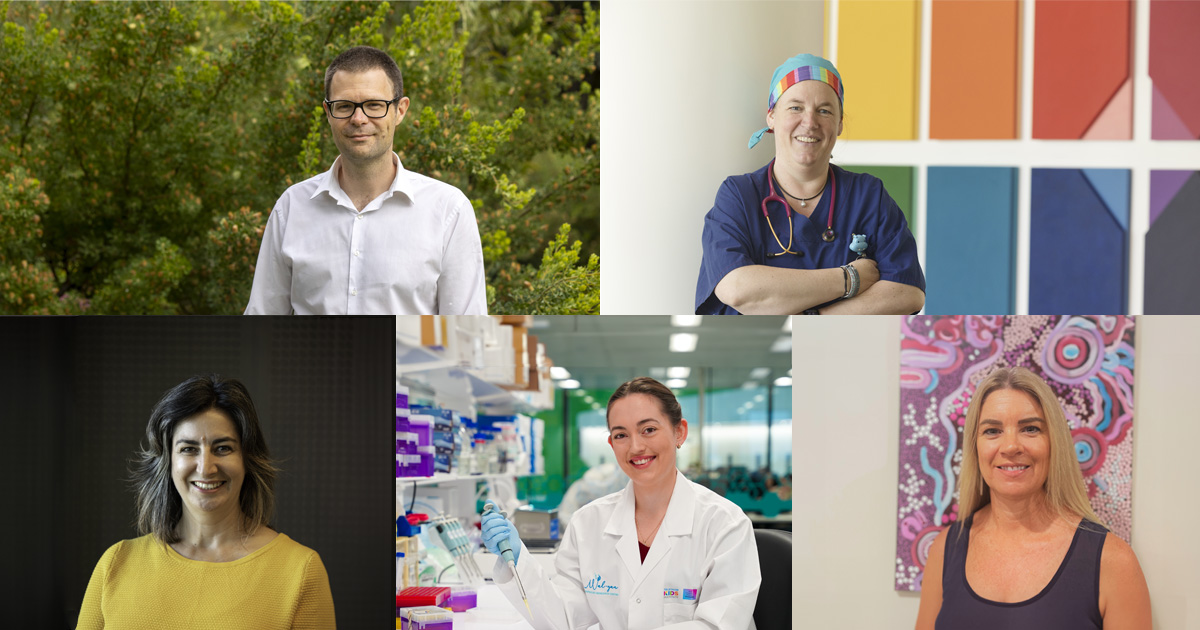
Five The Kids Research Institute Australia researchers working across diverse and highly impactful areas of child health research have been named as finalists for the 2023 Premier’s Science Awards.
Our aim is for all kids to have healthy skin. We work with communities to reduce the burden of Strep A skin sores and sore throats to prevent rheumatic fever.
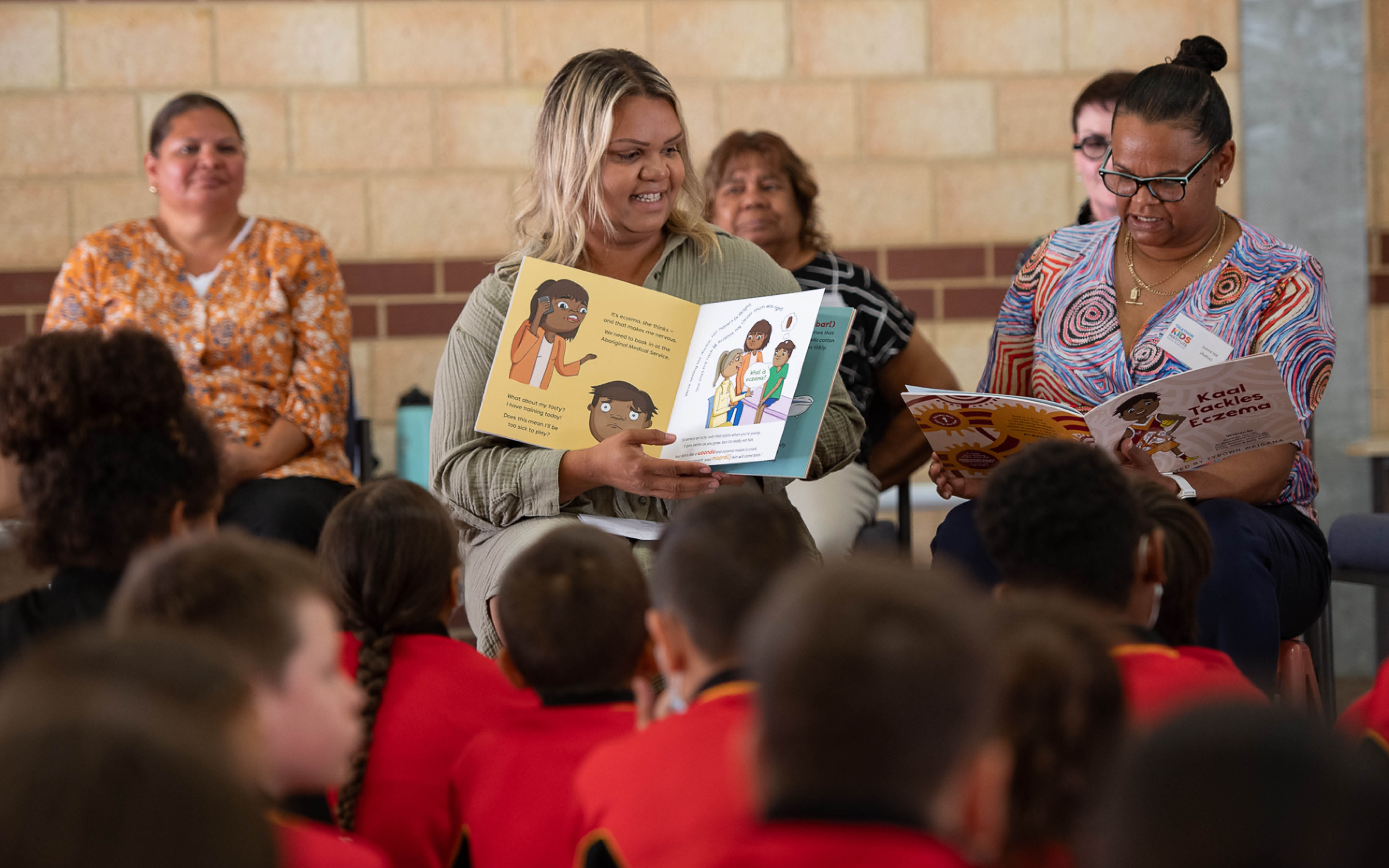
Working alongside the Healthy Skin & ARF Prevention team, clinicians and other researchers; Elder researchers and community members have driven the co-design of healthy skin promotion resources localised to their community.
Designed by community for community, the Strong Skin App is a go-to resource to support your skin health.
Asha Dylan Janessa Tim Bowen Barth Pickering Barnett BA MBBS DCH FRACP PhD GAICD FAHMS OAM B.Tech, MPH, PhD BSc PhD PhD Head, Healthy Skin and ARF
Asha John Jonathan Marianne Bowen Jacky Carapetis AM Mullane BA MBBS DCH FRACP PhD GAICD FAHMS OAM AM MBBS FRACP FAFPHM PhD FAHMS BSc (OT) Head,
Asha John Jonathan Marianne Bowen Jacky Carapetis AM Mullane BA MBBS DCH FRACP PhD GAICD FAHMS OAM AM MBBS FRACP FAFPHM PhD FAHMS BSc (OT) Head,
Skin disease has several serious complications including heart and kidney disease.
The Skin Health Situational Analysis was conducted in 2017 with and for stakeholders in the Kimberley region as a precursor to the SToP Trial to highlight all that was already known prior to commencement in 2018. It was completed to be a resource for communities in the Kimberley who would like to de
There are an estimated 5000 episodes per year of bloodstream infections due to Staphylococcus aureus (golden staph) in Australia and an associated mortality of 20%. Despite this, there is little clinical trials evidence to guide best management.