
Search
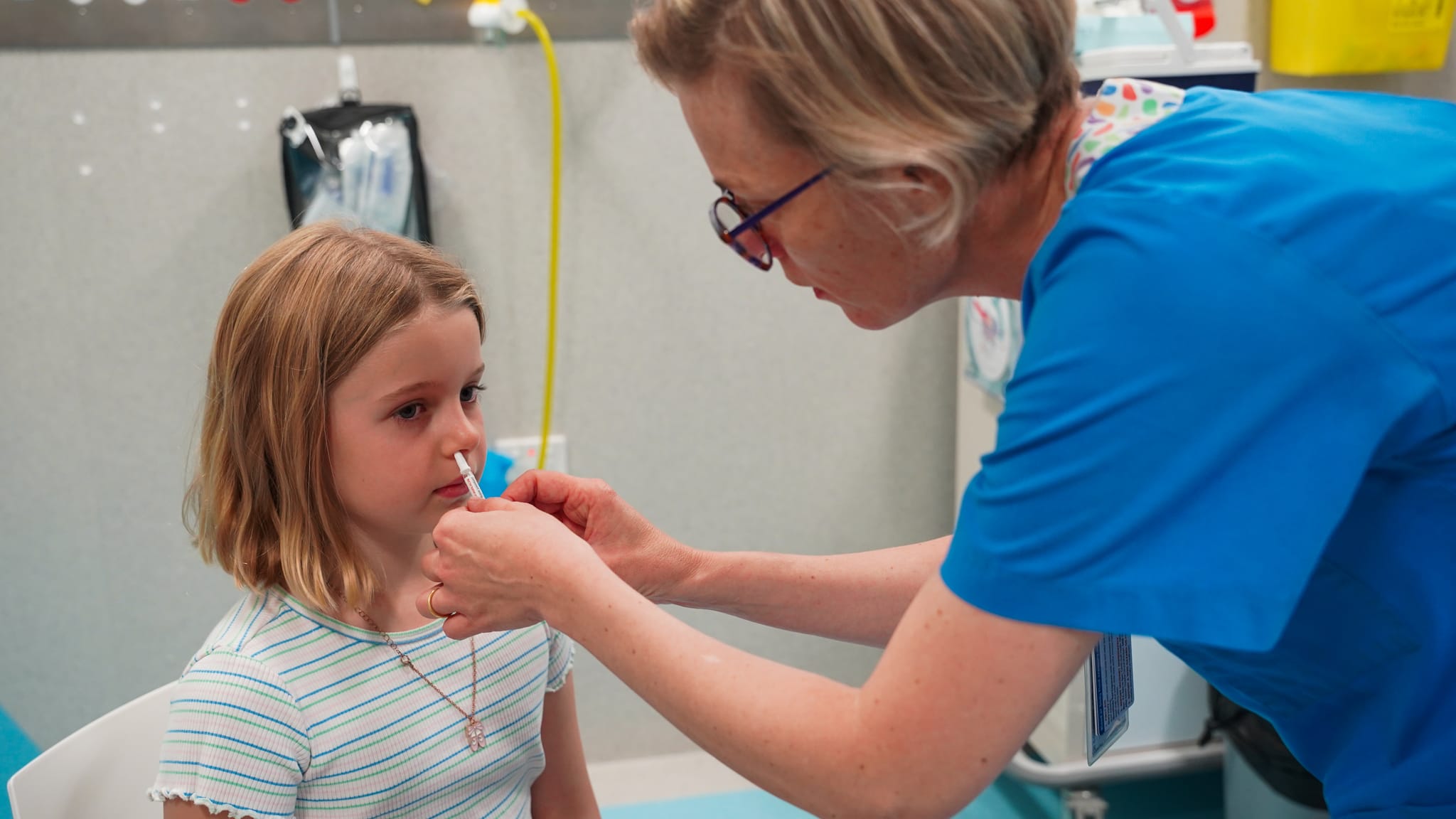
Influenza (commonly known as the flu) is caused by a highly contagious virus spread mainly through coughing and sneezing. An annual flu vaccination is the most effective way to prevent flu outbreaks.

Whooping cough (pertussis) is a highly contagious respiratory infection which causes a severe cough and can be particularly dangerous to babies under a year old. Vaccination is the best way to reduce the risk of whooping cough.
Vaccination is the injection of an inactivated bacteria or virus into the body. This simulated infection allows an individual's immune system to develop an adaptive immunity for protection against that type of illness. When a sufficiently large percentage of a population has been vaccinated, this results in herd immunity.
Syphilis remains a global public health concern, particularly in pregnancy due to the risk of congenital syphilis. The WHO recommends benzathine penicillin G (BPG) as the standard treatment in pregnant women, whilst the optimal dosing strategy has not been established, particularly in relation to the impact of gestational age. This study sought to characterize the pharmacokinetics (PK) of a three-dose regimen of intramuscular BPG, given at weekly intervals, in pregnant women with syphilis.
Two RSV immunisations products: a maternal vaccine, Abrysvo, and a long-acting monoclonal antibody, nirsevimab, both designed to prevent RSV illness in infants, have recently become available. Modelling evidence is required to inform how to optimally use these products in immunisation programs to reduce the burden of RSV in young children.
Immunisation is the most effective way of protecting your child against a range of serious illnesses, including measles, hepatitis B and whooping cough. All vaccines used in Australia undergo stringent testing and ongoing monitoring.
The meningococcal serogroup B-factor H binding protein vaccine (MenB-FHbp) is licensed for use in children aged 10 years or older for protection against invasive serogroup B meningococcal disease. Because young children are at increased risk of invasive meningococcal disease, MenB-FHbp clinical data in this population are needed.
Streptococcus pneumoniae (the pneumococcus) is a human pathogen of global importance, classified into serotypes based on the type of capsular polysaccharide produced. Serotyping of pneumococci is essential for disease surveillance and vaccine impact measurement.
We previously reported the efficacy of the adjuvanted-protein COVID-19 vaccine candidate S-Trimer (SCB-2019) in adults who showed no evidence of previous exposure to SARS-CoV-2. In this study, we aimed to investigate the extent of protection afforded by previous exposure to SARS-CoV-2 on subsequent COVID-19 infection, as well as the efficacy, safety, and reactogenicity of SCB-2019 in participants who were enrolled in the Study.
Contemporary data for the global burden of sore throat and group A Streptococcus (Strep A) pharyngitis are required to understand the frequency of disease and develop value propositions for Strep A vaccines.