
Search
Cerebral palsy (CP) is a lifelong physical disability, resulting from maldevelopment or damage to the developing brain. All children with CP have a disorder of movement and posture, but this is often accompanied by disorders of intellect, sensation, behaviour and epilepsy. Long-standing CP registers and surveillance systems estimate the prevalence of CP as approximately 2 per 1000 live births; however variations are seen over time and in different regions of the world.
Cerebral palsy (CP) is the most common physical disability of childhood worldwide. Historically the diagnosis was made between 12 and 24 months, meaning data about effective early interventions to improve motor outcomes are scant. In high-income countries, two in three children will walk. This evaluator-blinded randomised controlled trial will investigate the efficacy of an early and sustained Goals-Activity-Motor Enrichment approach to improve motor and cognitive skills in infants with suspected or confirmed CP.
This article aims to critically review the literature on continuous electroencephalography (cEEG) monitoring in the intensive care unit (ICU) from an Australian and New Zealand perspective and provide recommendations for clinicians. Design and review methods: A taskforce of adult and paediatric neurologists, selected by the Epilepsy Society of Australia, reviewed the literature on cEEG for seizure detection in critically ill neonates, children, and adults in the ICU.
Reading Disability is often characterized by difficulties in the phonology of the language. While the molecular mechanisms underlying it are largely undetermined, loci are being revealed by genome-wide association studies.
Preterm birth is a global public health problem with a significant burden on the individuals affected. The study aimed to extend current research on preterm birth prognostic model development by developing and internally validating models using machine learning classification algorithms and population-based routinely collected data in Western Australia.
In the Australian disability context, the assessment of children with neurodevelopmental conditions’ functioning (across all domains) is of increasing importance, particularly since the introduction of the National Disability Insurance Scheme. Currently, there is wide variability across assessment of functioning practices, including the choice and use of published tools for assessment.
The aim of this systematic review was to review the evidence for serious gaming interventions in improving sensorimotor function in children and adults with cerebral palsy (CP). Seven databases were searched with terms related to serious gaming and CP.
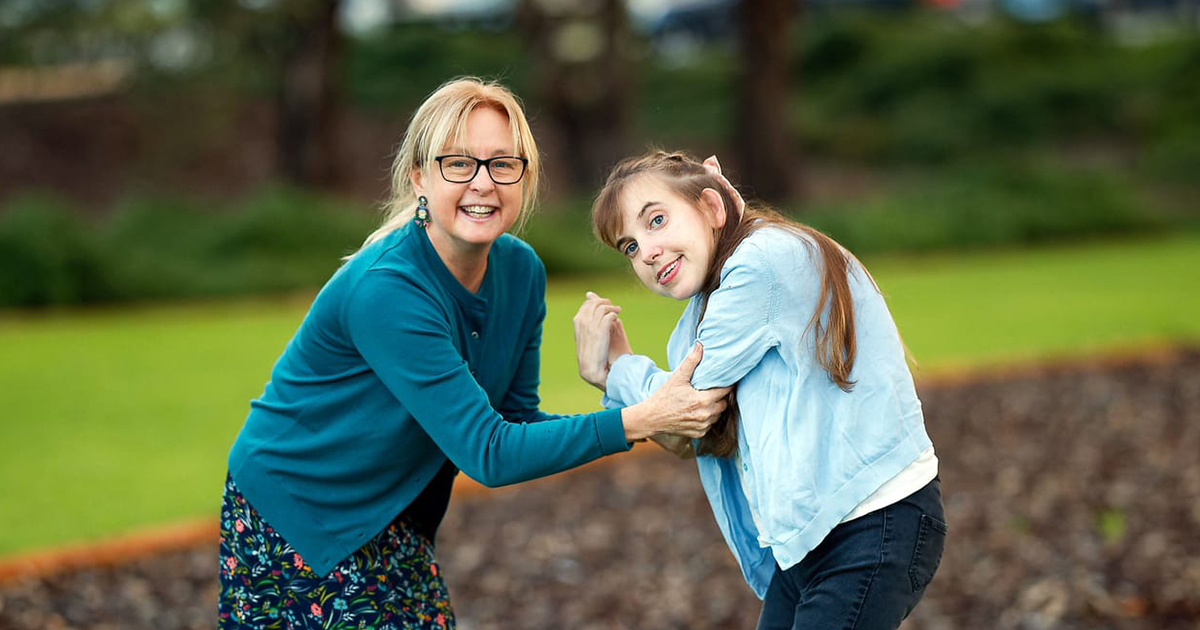
Today marks International Day of People with Disability (IDPwD), a United Nations initiative that encourages communities around the world to deepen their awareness, understanding and acceptance of people with disability.

Six researchers from The Kids Research Institute Australia have been awarded $8.9 million in prestigious Investigator Grants from the National Health and Medical Research Council.
A team of world-leading scientists has secured $5 million in funding from the Leukaemia and Lymphoma Society to advance the fight against leukaemia in children with Down syndrome.