Skip to content
The Kids Research Institute Australia logo
Donate

Search

Research

Cohort Profile: The ORIGINS pregnancy and birth cohort

Desiree Dr Jackie Susan Lisa Zenobia Silva Davis Prescott Gibson Talati MBBS, FRACP, MPH, PhD BSc (Hons), PGradDipHlthProm, PhD MBBS BMedSci PhD

Research

Influence of maternal and infant technology use and other family factors on infant development

Steve Desiree Zubrick Silva FASSA, FAAMHS, MSc AM PhD MBBS, FRACP, MPH, PhD Honorary Emeritus Research Fellow Co-Director, ORIGINS 08 6319 1409

Research

Exploring Sugary Drink Consumption and Perceptions among Primary-School-Aged Children and Parents in Australia

Sugar-sweetened beverages (SSBs) account for a significant proportion of sugar in the diet of children and are directly associated with obesity in this group. While there have been many studies on adolescent SSB consumption, few studies have examined the predictors of SSB consumption in primary-school-aged children. The aim of this study was to understand the degree to which a child's consumption across a range of beverages is influenced by their own attitudes and by their parents' attitudes and parents' consumption behaviours.

Research

Urinary Ferritin as a Noninvasive Means of Assessing Iron Status in Young Children

Iron deficiency (ID) is the most common nutritional deficiency affecting young children. Serum ferritin concentration is the preferred biomarker for measuring iron status because it reflects iron stores; however, blood collection can be distressing for young children and can be logistically difficult. A noninvasive means to measure iron status would be attractive to either diagnose or screen for ID in young children.

Research

Metagenomic Characterisation of the Gut Microbiome and Effect of Complementary Feeding on Bifidobacterium spp. in Australian Infants

Complementary feeding induces dramatic ecological shifts in the infant gut microbiota toward more diverse compositions and functional metabolic capacities, with potential implications for immune and metabolic health. The aim of this study was to examine whether the age at which solid foods are introduced differentially affects the microbiota in predominantly breastfed infants compared with predominantly formula-fed infants. 

Research

Altered dietary behaviour during pregnancy impacts systemic metabolic phenotypes

Evidence suggests consumption of a Mediterranean diet (MD) can positively impact both maternal and offspring health, potentially mediated by a beneficial effect on inflammatory pathways. We aimed to apply metabolic profiling of serum and urine samples to assess differences between women who were stratified into high and low alignment to a MD throughout pregnancy and investigate the relationship of the diet to inflammatory markers.  

Research

Perinatal Women’s Perspectives of, and Engagement in, Digital Emotional Well-Being Training: Mixed Methods Study

Psychological distress in the early postpartum period can have long-lasting deleterious effects on a mother's well-being and negatively affect her infant's development. Intervention approaches based in contemplative practices such as mindfulness and loving-kindness and compassion are intended to alleviate distress and cultivate well-being and can be delivered effectively as digital mental health interventions.

Research

Data resource profile: the ORIGINS project databank: a collaborative data resource for investigating the developmental origins of health and disease

The ORIGINS Project (“ORIGINS”) is a longitudinal, population-level birth cohort with data and biosample collections that aim to facilitate research to reduce non-communicable diseases and encourage ‘a healthy start to life’. ORIGINS has gathered millions of datapoints and over 400,000 biosamples over 15 timepoints, antenatally through to five years of age, from mothers, non-birthing partners and the child, across four health and wellness domains.

Research

Beyond Plants: The Ultra-Processing of Global Diets Is Harming the Health of People, Places, and Planet

Global food systems are a central issue for personal and planetary health in the Anthropocene. One aspect of major concern is the dramatic global spread of ultra-processed convenience foods in the last 75 years, which is linked with the rising human burden of disease and growing sustainability and environmental health challenges.

Research

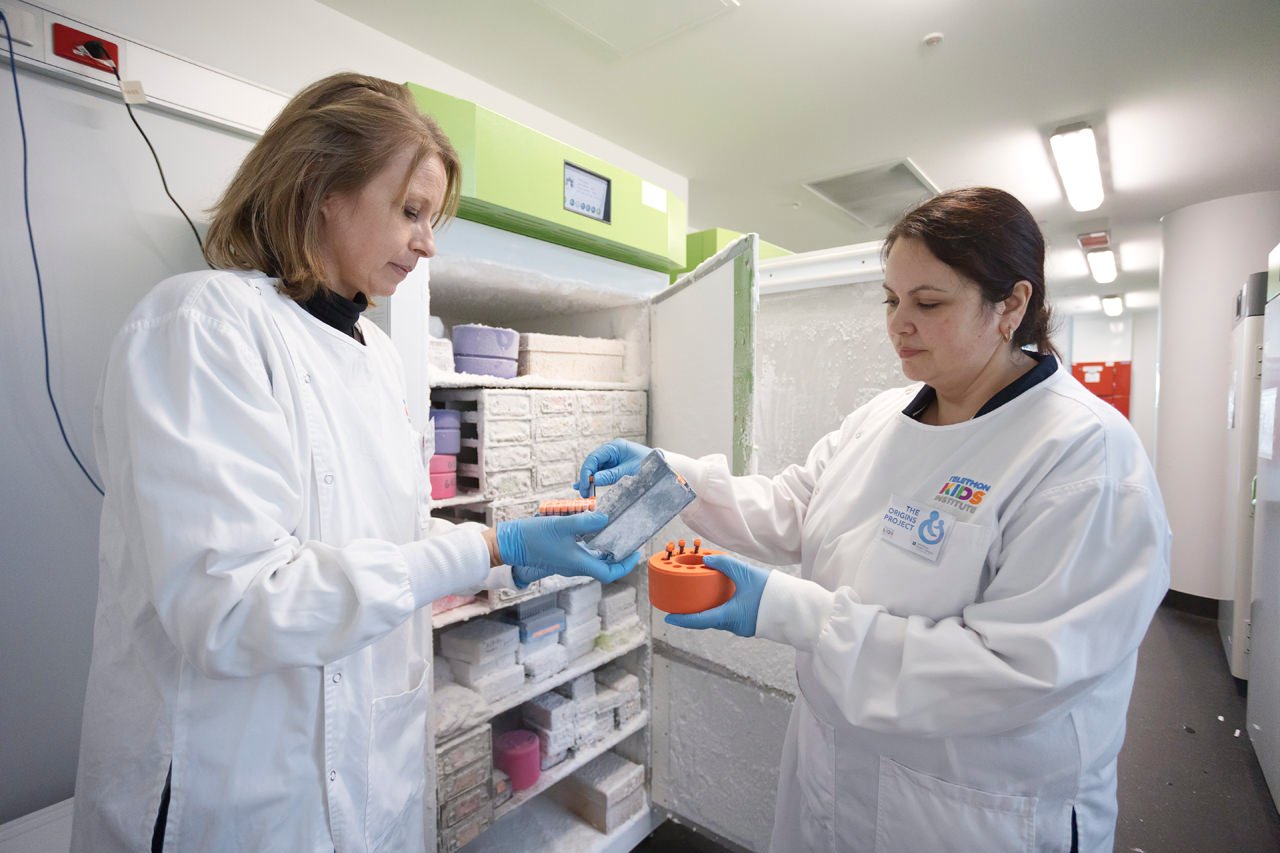
The ORIGINS Project Biobank: A Collaborative Bio Resource for Investigating the Developmental Origins of Health and Disease

Early onset Non-Communicable Diseases (NCDs), including obesity, allergies, and mental ill-health in childhood, present a serious and increasing threat to lifelong health and longevity. The ORIGINS Project (ORIGINS) addresses the urgent need for multidisciplinary efforts to understand the detrimental multisystem impacts of modern environments using well-curated large-scale longitudinal biological sample collections.